
What changed, and what it changed for you
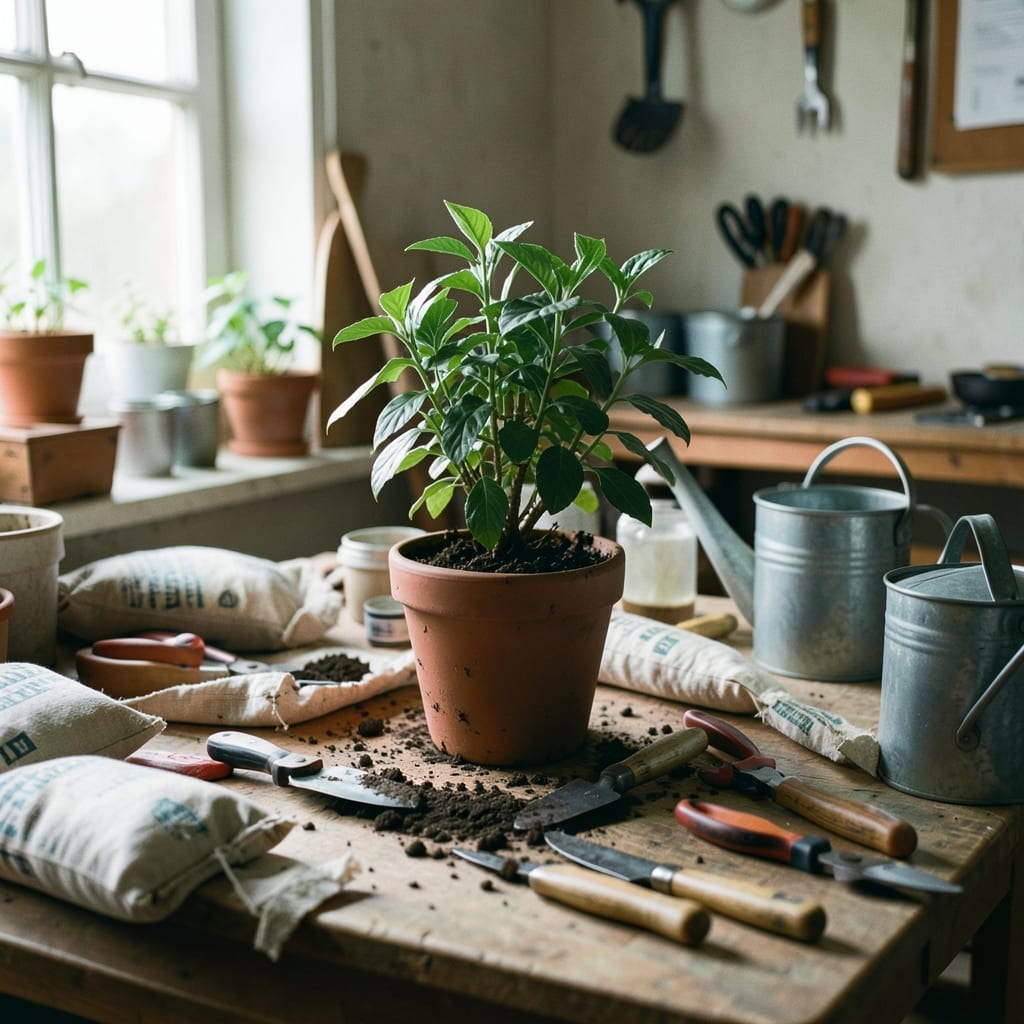
Gardening Wizard began as a way to organize my own notes: a few hastily written posts about what worked in my backyard, with no real plan beyond ‘maybe someone else will find this useful.’ The tone was casual, the advice was inconsistent, and the site looked like a hobby, because it was.
I didn’t know enough to know what I didn’t know.
Now it’s a place where every piece of advice is either something I’ve grown myself or something I’ve seen fail enough times to warn you about it. The design is clean, the guides are structured, and the focus is on what actually matters—getting results, not just pretty pictures.
You’ll still find the same enthusiasm, but now it’s backed up by years of trial and error.
| It used to be | Now it is |
|---|---|
| A mix of copied tips and half-baked theories | Only advice tested in my own garden or by trusted growers |
| No clear structure—just whatever I felt like writing that week | Every guide follows the same step-by-step format |
| Hidden the mistakes (or ignored them) | Leads with what doesn’t work so you don’t waste time |
| No photos of failures—just the ‘perfect’ shots | Shows the real results, warts and all |
The one that took years
The biggest mistake was assuming that ‘good enough’ advice would work for everyone. I’d write about how I grew tomatoes in my climate, but never mention that my soil was amended or that my summers were hotter than most readers’ would be.
People would try the same methods and nothing would grow, then blame themselves. It took years to admit I was part of the problem.
The real blocker wasn’t laziness—it was ego. I didn’t want to admit I didn’t know everything, and I certainly didn’t want to ask for help. So I kept writing the same way, watching the comments pile up with frustrated questions I couldn’t answer.
It wasn’t until a reader publicly called out an outdated tip that I finally faced the truth: if I wanted this to be useful, I had to stop pretending I had all the answers.
Fixing it cost time and money. I started keeping detailed records of every plant I grew, noting soil conditions, watering schedules, and what worked (or didn’t). That meant buying better tools, testing my soil, and even setting up a small greenhouse to experiment with different climates.
Now, every guide includes a ‘what could go wrong’ section—because the last thing I want is for you to repeat my mistakes. And yes, that greenhouse? It’s still paid for, and it’s the only reason I can write with confidence about things like humidity control.
Meet the author

I used to think gardening was about following rules. If you planted seeds at the right depth, watered enough, and prayed to the gardening gods, everything would grow perfectly. So I’d write guides that sounded authoritative, even when I wasn’t sure they’d work.
The first time I tried to grow peppers from seed, I followed a ‘foolproof’ method—and ended up with a sad little pot of leggy, weak plants. I threw them out without a second thought, convinced it was my fault for not being patient enough.
I spent years chasing the idea of a ‘perfect garden,’ only to realize it didn’t exist. The plants that thrived were the ones I messed up on—like the time I forgot to water my basil and it bolted anyway, then came back stronger than ever. The rules weren’t the problem.
My attitude was.
What changed: I stopped pretending I had it figured out.
Now, Sheldon Quintero runs this site as a place for real gardening—no shortcuts, no false promises. If a method hasn’t been tested in my own hands or by someone I trust, it doesn’t get written down.
The goal isn’t to sell you a dream; it’s to help you grow something, even if that ‘something’ is just a single stubborn tomato plant in a pot.
What did not change
The core belief—that gardening should be rewarding, not frustrating—hasn’t wavered. Even now, the site still starts with the same question: *What’s the fastest way to get a result?* Whether it’s a windowsill herb garden or a full backyard, the focus is on making progress, not perfection.
I still get excited about the little wins. The first time a seedling breaks through the soil, or when a struggling plant finally puts on new leaves after weeks of neglect. That sense of wonder hasn’t changed, and it never will. The difference now?
I’m not afraid to admit when I don’t know something—and I’ll always tell you how I found the answer.
What is still being fixed
Right now, the biggest project is making sure every guide includes a ‘troubleshooting’ section—because half the battle is knowing what to do when things go wrong.
I’m also working on a better way to organize plant care by *actual* growing conditions (not just ‘full sun’ or ‘partial shade’), so you can find advice that matches your space. And yes, that means more testing, more notes, and more greenhouse real estate.
If you’ve got a gardening problem that’s stumping you—or an idea for how to make this site more useful—there’s a place for it. The contact page is where to send it.
Things that would help
- A specific gardening problem you couldn’t solve (even after searching online)
- A topic you’d love to see covered (even if it’s niche—like growing edibles in shade)
- A way to improve the site’s guides (e.g., ‘I wish there were more photos of failures’)
The guides are grouped by category: Companion Plants, Container Gardens, Flowers, How To, Lawn and Light Requirements.