
Trees
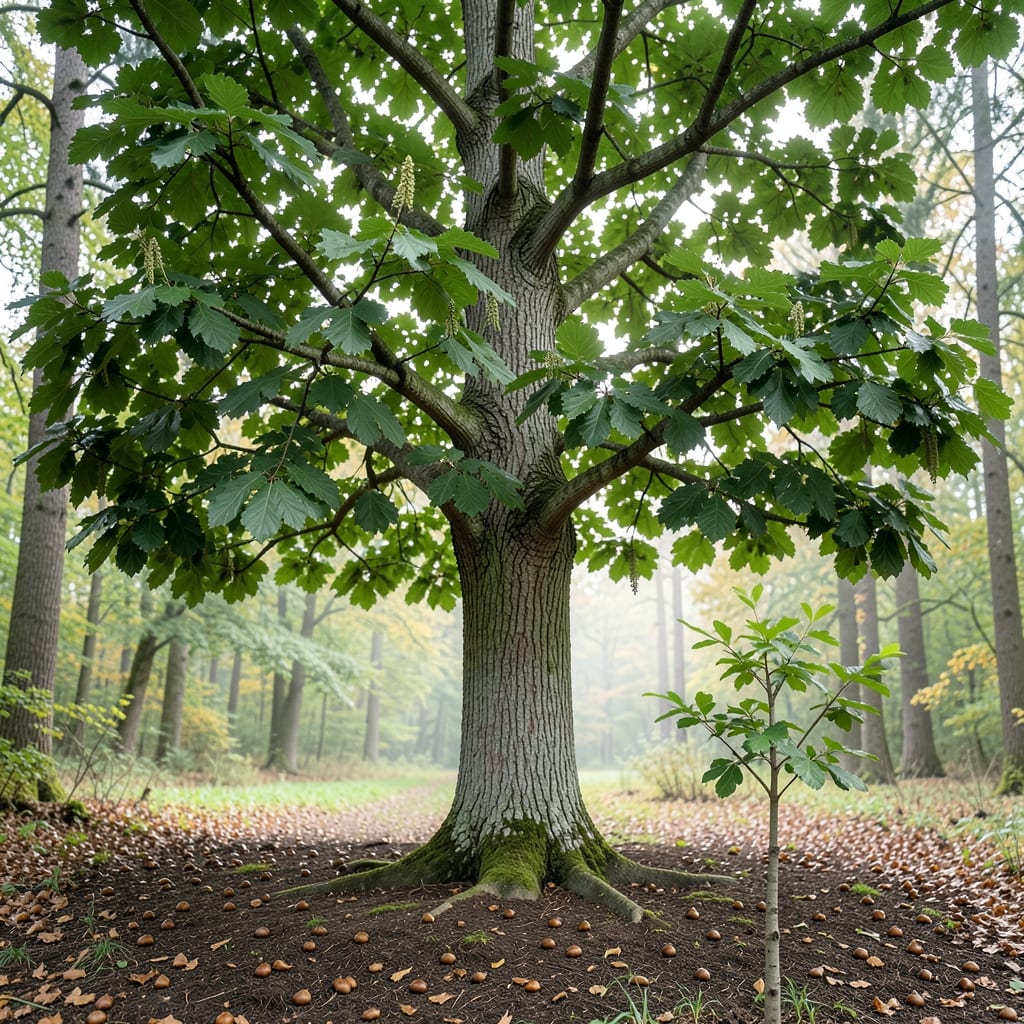
Wondering how tall do beech trees grow before committing to one for your yard? You're not alone—many homeowners hesitate because these stately 🌳 beech trees can reach dramatic heights, but not all varieties grow the same way.
Some species like the American beech tower 60-80 feet at maturity, while others stay compact at just 15-25 feet. The difference comes down to genetics, growing conditions, and even your local climate in zones like 6a. Understanding these variations helps you choose the perfect fit for your space.
Fast-growing varieties can add 2 feet per year in ideal conditions, while dwarf types grow slowly but maintain their manageable size. Whether you're planning for shade or a statement tree, knowing what to expect helps you avoid future headaches with spacing and pruning.
Let's break down the height ranges, growth rates, and practical tips to help you pick the right beech tree for your landscape—without waiting decades to see the results.


Beech tree height by species: fastest-growing varieties explained
Beech trees are among the most majestic choices for landscapes, but their mature heights vary dramatically by species. The American beech (Fagus grandifolia) typically reaches 60-80 feet, while the European beech (Fagus sylvatica) can grow even taller, up to 100 feet in ideal conditions. Understanding these differences helps you select the perfect variety for your yard's size and vision.
If you're short on space but still want the beauty of a beech tree, consider dwarf varieties like 'Crimson Spire' or 'Red Pygmy,' which max out at 15-25 feet. These compact types grow slowly but deliver stunning foliage without overwhelming your landscape. For faster results, the Copper Beech grows at a moderate pace, reaching 50-70 feet while showcasing vibrant copper-colored leaves.
Here’s how the most popular beech species compare in terms of height, growth rate, and ideal planting scenarios:
| Species | Mature Height | Annual Growth Rate | Ideal Planting Scenario |
|---|---|---|---|
| American Beech | 60-80 ft | 12-24 in/year | Large yards, shade trees |
| European Beech | 70-100 ft | 18-30 in/year | Park-like settings, formal gardens |
| Copper Beech | 50-70 ft | 15-20 in/year | Medium yards, colorful accents |
| Purple Beech | 50-65 ft | 12-18 in/year | Small estates, ornamental plantings |
| Dwarf Varieties | 15-25 ft | 6-12 in/year | Small yards, containers |
The American beech is the fastest-growing species in the U.S., often adding 2 feet per year in ideal conditions with full sun exposure and well-drained soil. This makes it a top choice for homeowners who want a shade tree that matures quickly. However, its spreading canopy (up to 50 feet wide) means you’ll need plenty of space to avoid future pruning challenges.
For urban or suburban settings, the Purple Beech is a fantastic middle-ground option. Its purple foliage adds seasonal interest, and its slightly slower growth rate (12-18 inches per year) gives you more time to adjust to its mature size. Plant it at least 30 feet away from structures or other trees to prevent root competition.
If you’re planting near a driveway or sidewalk, consider the Copper Beech. Its vibrant leaves and moderate growth make it a standout, but its roots can spread widely. Always plant at least 20 feet from hardscapes to avoid potential damage as it matures.
For small spaces, dwarf beech varieties like 'Crimson Spire' or 'Red Pygmy' are game-changers. These trees stay under 20 feet tall and grow slowly, making them perfect for containers or tight yards. Their compact size also means they require less pruning, saving you time and effort in the long run.
When choosing a beech tree, also consider your local climate. In USDA Zone 6a, beech trees thrive with 6+ hours of sunlight daily and well-drained soil. If your area has heavy clay soil, amending it with compost can improve drainage and encourage faster, healthier growth.
Pro tip: Always check the mature height and canopy spread of your chosen variety before planting. This simple step can save you from costly mistakes down the road, like trees that outgrow their space or block sunlight from your home.
Beech tree height by species: fastest-growing varieties explained
When planning your landscape, knowing how tall beech trees grow helps you avoid future crowding or pruning nightmares. The American beech (Fagus grandifolia) and European beech (Fagus sylvatica) are the most common types, but their mature heights vary dramatically. For example, a standard American beech can reach 60-80 feet in ideal conditions, while some ornamental varieties stay under 25 feet.
Growth rates also differ—fast-growing species add 12-24 inches per year in their prime, while slower types grow just 6-12 inches annually. Your local climate in zones like 6a plays a role, too. Warmer regions speed up growth, while cooler areas may slow it down.
Here’s how the fastest-growing beech varieties compare in height and ideal planting scenarios:
| Variety | Mature Height | Annual Growth Rate | Best For |
|---|---|---|---|
| American Beech | 60-80 ft | 12-24 in/year | Large yards, shade trees |
| European Beech | 50-70 ft | 10-18 in/year | Urban landscapes, parks |
| Copper Beech | 40-60 ft | 8-16 in/year | Ornamental focal points |
| Purple Beech | 50-75 ft | 12-20 in/year | Colorful landscapes |
The American beech grows the fastest and tallest, making it ideal for sprawling properties where you want quick shade. If you’re in an urban area with limited space, the European beech or Copper beech offers a slightly slower but still impressive height. For smaller yards, consider dwarf varieties that stay under 20 feet—they’re just as stunning but won’t overwhelm your space.
Pro tip: Plant your beech tree at least 30 feet from structures to avoid root conflicts and future pruning. In tight spaces, opt for the Crimson Spire or Red Pygmy varieties—they grow slowly but deliver big visual impact without the bulk.
Whether you’re after a towering shade provider or a compact ornamental tree, choosing the right variety ensures your beech tree thrives for decades—without outgrowing its welcome.