
Trees
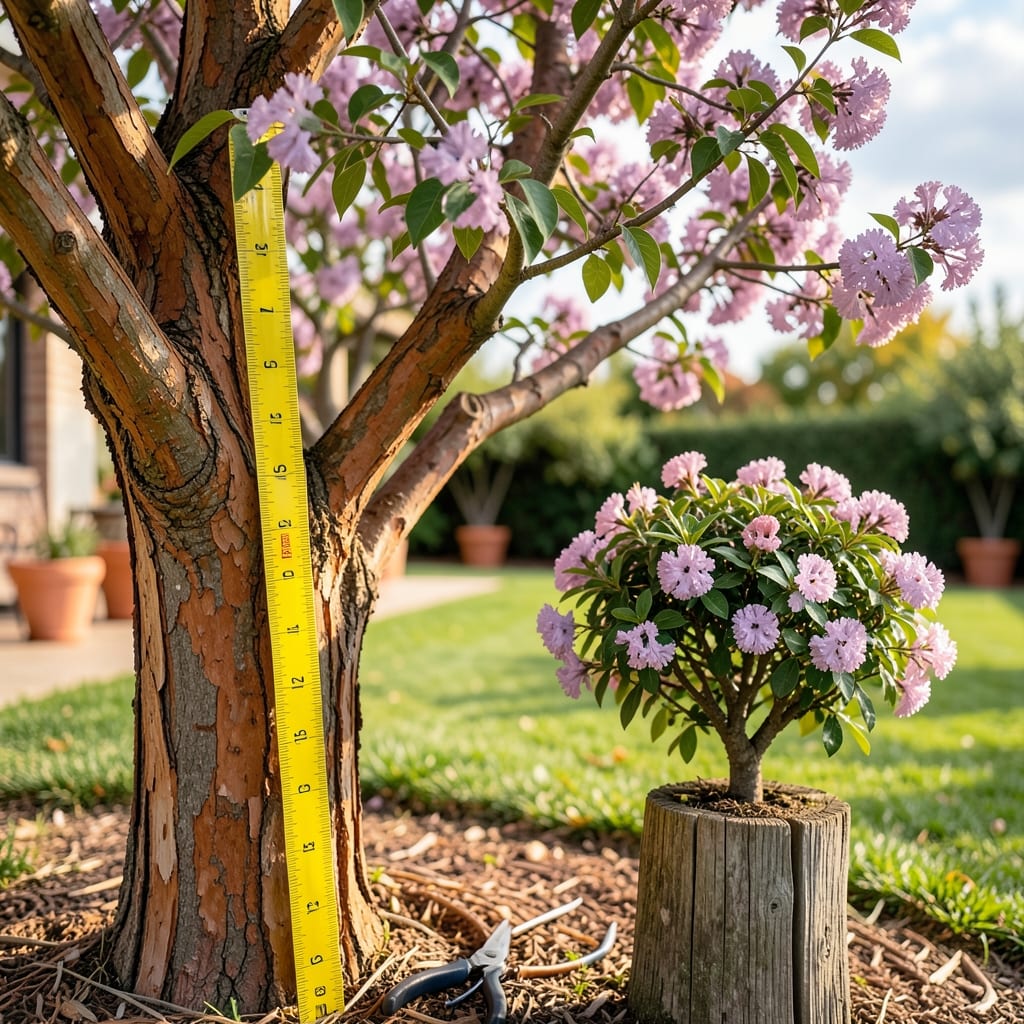
Wondering how tall can a crepe myrtle tree grow before it becomes a space hog in your yard? The answer might surprise you—these stunning 🌳 trees can range from compact shrubs to towering giants, depending on the variety and how you care for them.
If you're planning your landscape and need a low-maintenance shade provider, crepe myrtles offer flexibility. Some dwarf varieties stay under 6 feet, perfect for small gardens, while standard types can reach 30 feet or more, making them ideal for large properties or as focal points. The key? Choosing the right cultivar and understanding how pruning impacts their growth.
Whether you're working with limited space or dreaming of a grand backyard centerpiece, knowing your crepe myrtle's potential height helps you design with confidence. I'll break down the differences between varieties and share pruning tips to keep your tree at your ideal height—without sacrificing those gorgeous blooms.
Let's explore how to pick the perfect crepe myrtle for your space and keep it thriving for years to come. You'll discover which varieties fit your yard best and how simple adjustments can control their growth naturally.

Crepe myrtle tree height by variety: small to giant mature size ranges
Crepe myrtles offer an incredible range of mature heights, from compact dwarf varieties perfect for small yards to towering standard trees that make bold statements in large landscapes. The key to choosing the right one lies in understanding how each variety grows—because a 6-foot shrub and a 30-foot tree can both be crepe myrtles!
If you're planning your garden layout, knowing these height differences helps you avoid overcrowding or underutilizing space. For example, a dwarf crepe myrtle like 'Natchez' stays under 6 feet, while a standard variety like 'Tonto' can reach 25 feet or more. Let’s explore the most popular types and their mature sizes so you can pick the perfect fit for your yard.
Here’s a quick snapshot of what to expect from different crepe myrtle varieties, including their typical mature heights and growth habits:
| Variety | Mature Height | Growth Habit | Best For |
|---|---|---|---|
| 'Dwarf Natchez' | 6–10 ft | Compact, multi-stemmed | Small gardens, containers |
| 'Arapaho' | 12–15 ft | Upright, moderate spread | Medium yards, privacy screens |
| 'Muskogee' | 15–20 ft | Tall, narrow form | Street trees, large landscapes |
| 'Tonto' | 20–25 ft | Vigorous, wide-spreading | Shade trees, focal points |
| 'Catawba' | 25–30 ft | Tall, multi-trunked | Large estates, park settings |
As you can see, the dwarf varieties are ideal for urban gardens or patios, while the taller types shine in rural settings or as shade providers for driveways. But here’s the thing: even within a single variety, growth can vary based on your climate, soil quality, and pruning habits. For example, a 'Tonto' in a hot, dry region might grow faster and taller than one in a cooler, wetter zone.
If you’re unsure which variety to choose, consider your yard’s available space and how much vertical growth you’re comfortable with. A 10-foot crepe myrtle works beautifully as a specimen plant in a small front yard, while a 25-foot giant can provide decades of shade for a family gathering spot. Think about how the tree’s height will interact with your home, driveway, and other plants.
One common mistake I see is assuming all crepe myrtles grow to the same height. In reality, the difference between a 6-foot shrub and a 30-foot tree comes down to genetics and care. For instance, the 'Natchez' variety is bred to stay small, while 'Catawba' is designed to reach impressive heights. Choosing the right one saves you from future headaches—and pruning!
Now that you know the height ranges, you might be wondering how to control growth if your chosen variety outpaces your expectations. The answer lies in pruning techniques, which we’ll cover next. With the right approach, you can keep even the tallest crepe myrtle in check while still enjoying its stunning blooms and lush foliage.
For now, remember: the height of your crepe myrtle isn’t set in stone. With thoughtful planning and care, you can shape its growth to fit your space perfectly. Whether you’re aiming for a compact accent plant or a grand backyard centerpiece, there’s a crepe myrtle variety that’s just right for you.
How pruning affects crepe myrtle height: techniques to control growth
Once you’ve chosen your crepe myrtle variety, the next big factor in controlling its height is pruning. Unlike some trees that grow unpredictably, crepe myrtles respond beautifully to strategic pruning—whether you want to keep them compact or encourage upward growth. The key is understanding when and how to prune, because cutting at the wrong time or in the wrong way can actually make your tree grow taller faster.
Most gardeners make the mistake of pruning crepe myrtles in late winter or early spring before new growth begins. While this might seem logical, it actually encourages rapid vertical growth to compensate for lost branches. Instead, the best time to prune is right after flowering, typically in late summer. This timing promotes bushier, more controlled growth while preserving next year’s blooms.
Here’s what you need to know about pruning to manage your crepe myrtle’s height effectively:
Avoid these height-accelerating mistakes that turn your crepe myrtle into a towering giant:
- Topping (cutting the main trunk flat) – Creates weak, fast-growing water sprouts that shoot upward uncontrollably.
- Late winter pruning – Triggers aggressive vertical growth to replace lost branches.
- Over-pruning (removing >30% of foliage at once) – Stresses the tree, leading to compensatory height spikes.
Pro Tip: Use thinning cuts to remove entire branches at their base rather than heading cuts that leave stubs.
For height control, focus on removing suckers (shoots growing from the base) and water sprouts (fast-growing vertical shoots). These compete with your tree’s main structure, encouraging upward growth. When pruning, always cut back to a bud or branch collar rather than leaving stubs, which can invite disease and promote weak growth.
If you’re working with a dwarf variety like 'Natchez' and want to keep it even smaller, limit pruning to light shaping after flowering. For taller varieties like 'Catawba', strategic pruning can reduce height by 30-50% over time. The secret? Consistency—prune annually in late summer and avoid heavy cuts that shock the tree.
Remember that crepe myrtles bloom on new wood, meaning pruning too late in the season can reduce next year’s flowers. But don’t let that stop you—with the right approach, you can enjoy beautiful blooms and controlled height simultaneously. Start with small adjustments, observe how your tree responds, and gradually refine your technique for perfect results.