
How To
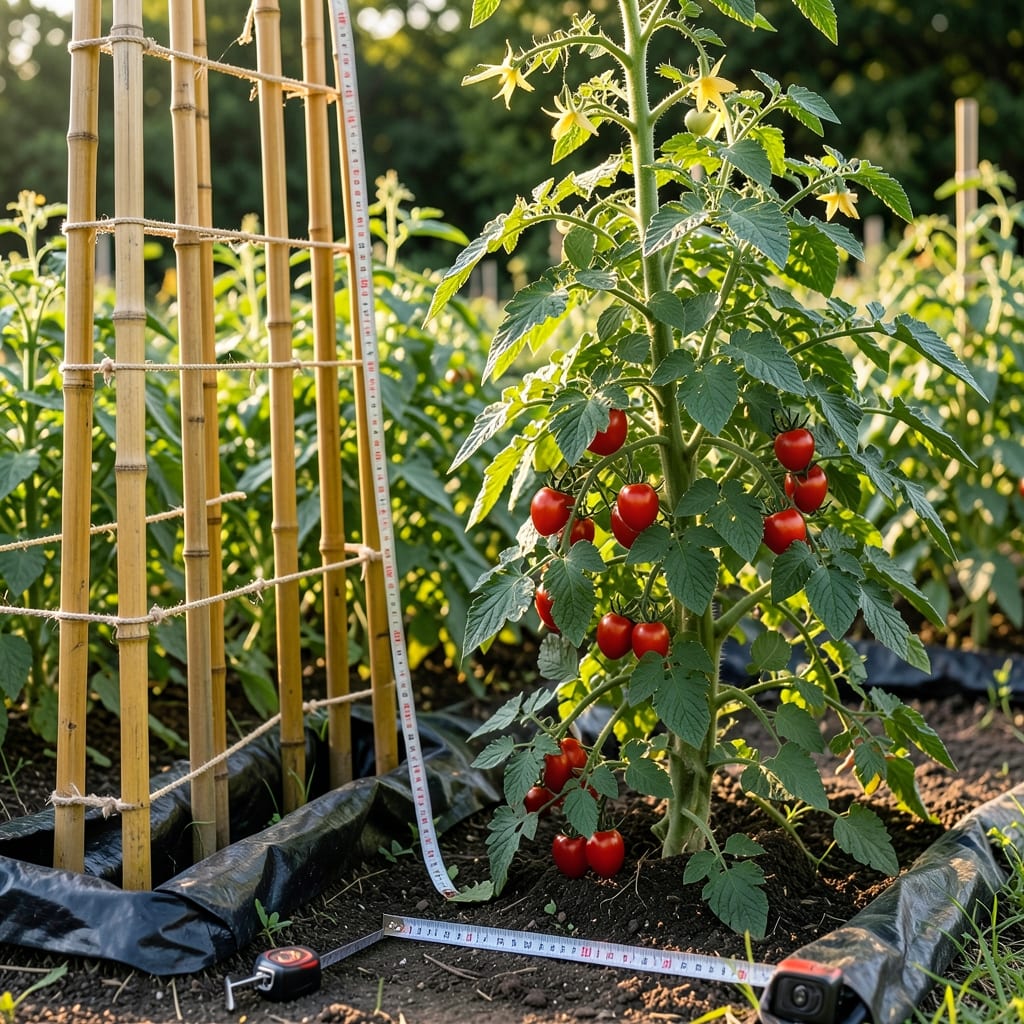
If you're planting Amish Paste Tomatoes this spring, you might be surprised by how tall these tomatoes grow—often towering over 6 feet by midsummer! Unlike their bushy cousins, these heirloom varieties grow tall and sprawling, making proper support the key to maximizing your harvest.
Understanding their mature height isn’t just about saving space—it’s about preventing disease, improving airflow, and ensuring those meaty, sauce-worthy fruits don’t end up rotting on the ground. Whether you’re working with USDA Zone 6a conditions or a small balcony garden, knowing how to manage their growth will make all the difference in your yield.
Most Amish Paste varieties climb between 5 and 6 feet, but with the right trellising and pruning, you can keep them even taller—or shorter, if space is tight. I’ll show you how to choose the best support system, when to prune for optimal fruit production, and why some gardeners swear by cage-free training for better air circulation.
Ready to transform those lanky vines into a productive, disease-resistant powerhouse? Let’s dive into the secrets of managing Amish Paste Tomatoes so you can enjoy bountiful harvests from July through September—and maybe even save your back from bending over a sprawling mess!


Amish Paste tomato height by variety: indeterminate vs determinate growth patterns
When planning your Amish Paste Tomato garden, one of the first questions you’ll ask is, "how tall do these tomatoes grow?" The answer depends entirely on the specific variety you’ve chosen, as Amish Paste tomatoes come in both indeterminate and determinate types—each with distinct growth habits and height ranges. Understanding these differences will help you design your trellis system, allocate space, and even predict your harvest timeline.
Most Amish Paste varieties are indeterminate, meaning they grow continuously throughout the season, often reaching 6 to 8 feet tall if left unchecked. These vines produce fruit along their entire length, making them ideal for vertical gardening and maximizing small spaces. In contrast, determinate varieties (less common in Amish Paste lines) grow to a fixed height of 3 to 4 feet and produce fruit primarily at the top of the plant, resembling a bush.
For example, the classic Amish Paste Red variety typically grows 6 to 7 feet tall when trellised, while hybrid versions like Amish Paste Hybrid may reach 7 to 8 feet under ideal conditions. If you’re growing in USDA Zone 6a, these heights are achievable with proper support, but cooler temperatures or shorter growing seasons might cap their growth at 4 to 5 feet.
Here’s how the most popular Amish Paste varieties compare in terms of height and growth habits:
| Variety | Growth Habit | Mature Height | Trellis Support Needed | Best For |
|---|---|---|---|---|
| Amish Paste Red | Indeterminate | 6–7 ft | Strong trellis or A-frame | Sauces, canning, fresh eating |
| Amish Paste Hybrid | Indeterminate | 7–8 ft | Tall tomato tower or Florida weave | High-yield sauces, large batches |
| Amish Paste Yellow | Indeterminate | 5–6 ft | Medium-height trellis or stakes | Fresh salads, salsas |
| Amish Paste Determinate | Determinate | 3–4 ft | Cage or low trellis | Container gardening, small spaces |
The height of your Amish Paste Tomatoes isn’t set in stone—it’s influenced by factors like pruning practices, nutrient availability, and support structures. For instance, if you prune aggressively to focus energy on fruit production, you might see slightly shorter vines but a higher yield of meaty, sauce-worthy tomatoes. On the other hand, minimal pruning can lead to taller, bushier plants with more foliage but potentially fewer fruits.
Another critical factor is trellis support. Without proper support, indeterminate varieties can sprawl uncontrollably, leading to disease risks like blight or poor airflow. A sturdy Florida weave trellis or tomato cage can encourage upward growth, while a lack of support may result in vines reaching 8 feet or more in a single season. I’ve seen gardeners in Zone 6a with 10-foot-tall Amish Paste plants when they skipped pruning entirely!
If you’re growing in containers, expect slightly shorter heights—typically 4 to 5 feet—due to root restrictions. However, with dwarfing rootstock or regular pruning, you can keep even indeterminate varieties under control. The key is to monitor growth early and adjust your support system as the season progresses. For example, if your plants start leaning heavily to one side, a second stake or tie-down can redirect their growth pattern.
Understanding these growth patterns isn’t just about aesthetics—it’s about optimizing your harvest. Taller plants produce more fruit but require more maintenance, while shorter varieties are easier to manage but may yield less. For sauce production, taller indeterminate types are often the best choice, while fresh eating might benefit from slightly shorter, bushier plants. Plan your garden layout with these factors in mind to avoid last-minute scrambling for support!
How to manage Amish Paste tomato height for maximum yield and disease prevention
Managing the height of Amish Paste Tomatoes isn’t just about aesthetics—it’s about boosting your harvest while keeping diseases at bay. These indeterminate varieties can grow aggressively, reaching 6-8 feet without proper guidance. The key is balancing pruning, trellising, and training techniques to direct their energy toward fruit production instead of excessive vine growth.
I’ve found that pruning early (within the first 2-3 weeks) encourages stronger stems and better airflow. Remove suckers—those small shoots in the leaf axils—regularly to prevent overcrowding. This simple step can reduce your plant’s height by 1-2 feet while increasing fruit size. Just be sure to prune in the morning so wounds heal quickly under the sun.
For trellising, I recommend a strong, flexible system like a Florida weave or tomato cage hybrid. Amish Paste varieties need support that can handle 50+ pounds of fruit per plant. If you’re growing them in containers, opt for a tall, sturdy stake (at least 7 feet) to prevent toppling. The goal is to keep vines off the ground, reducing rot and improving sunlight exposure for the lower leaves.
Remove all suckers below the first flower cluster to redirect energy to fruit. Use clean, sharp pruning shears to avoid damaging the main stem.
Gently tie main stems to the trellis with soft plant ties every 12-18 inches. Avoid tight knots that can girdle the stem.
Once the main stem reaches your desired height (usually 6 feet), pinch off the top to stop vertical growth. This encourages lateral branching and more fruit clusters.
Strip leaves from the bottom 18 inches of the plant to improve air circulation and reduce disease risk. This also helps sunlight reach lower fruit.
Check vines weekly for aphids or hornworms, which can weaken the plant and cause uncontrolled growth. Use neem oil or introduce beneficial insects like ladybugs.
One common mistake I see is over-pruning to control height, which can reduce fruit production. Instead, focus on selective pruning—removing only the suckers and lower leaves. This keeps the plant manageable while maintaining a high yield of those prized meaty tomatoes. For example, I once let an Amish Paste plant grow unchecked, and by August, it had over 20 pounds of fruit but was a tangled mess. The next year, I pruned aggressively, and the same variety produced 25 pounds on a tidy 6-foot trellis.
If you’re growing in a small-space garden, consider dwarfing techniques like topping the plant at 4 feet and using a compact trellis. This works surprisingly well for container growing or urban gardens. Just be prepared for slightly smaller yields—but the trade-off for easier maintenance is worth it for many gardeners.
Finally, don’t forget that nutrient balance plays a role in height control. Over-fertilizing with nitrogen (the first number in NPK) will encourage leafy growth at the expense of fruit. Stick to a balanced 5-10-10 fertilizer and side-dress with compost in early summer to support fruit development without excessive vine growth. With the right approach, you’ll have a productive, disease-resistant Amish Paste tomato plant that’s both beautiful and bountiful.