
Vegetables
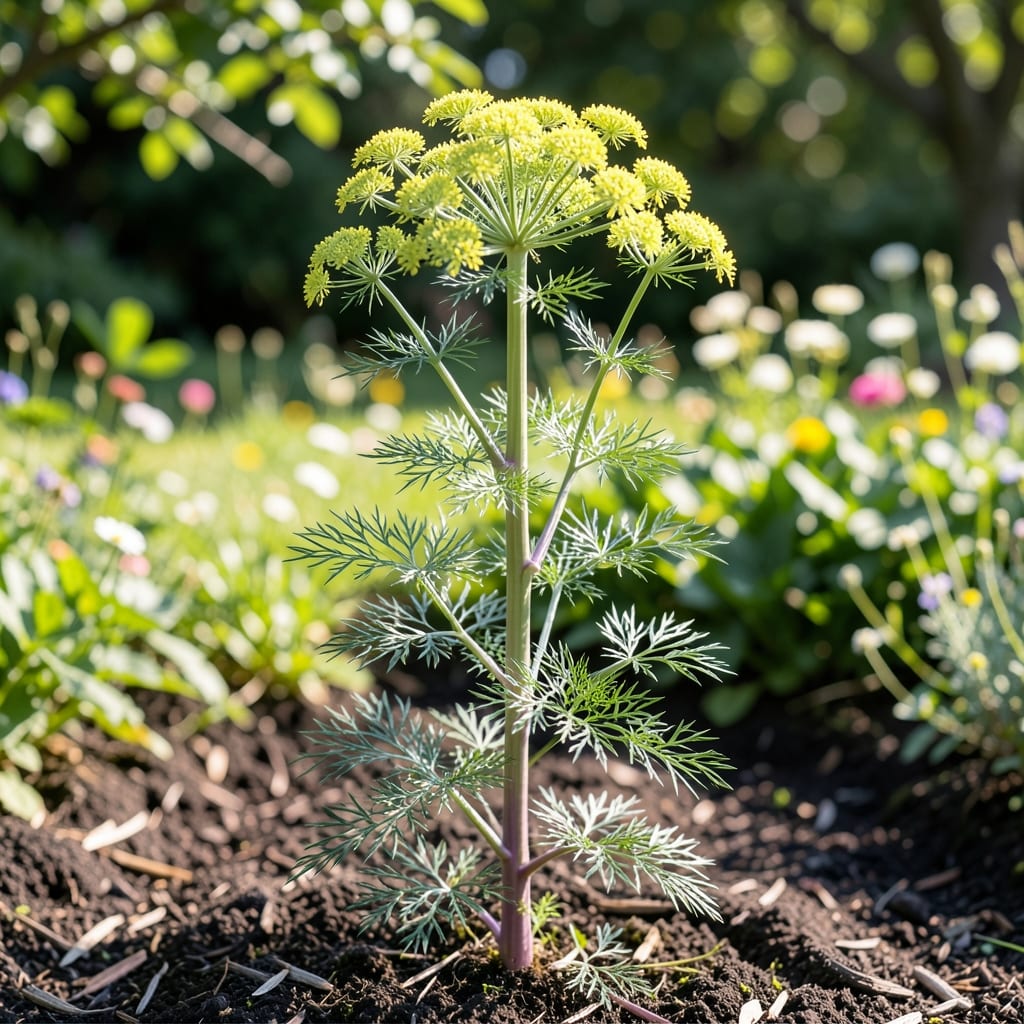
If you've ever watched your 🌿 dill how tall can dill grow like a feathery rocket, you might wonder just how tall these fragrant herbs can get—because the answer isn't one-size-fits-all. Some varieties stretch toward the sky like 5-foot sentinels, while others stay neatly contained at 2 feet, making all the difference in your garden layout and harvest strategy.
The truth is, dill's height depends on its variety, growing conditions, and whether you're guiding its growth with smart pruning. Whether you're planning a backyard herb garden or a cozy container setup, knowing these details helps you avoid overcrowding and maximize your harvest. Let's break down exactly what to expect—and how to keep your plants at your ideal height.
From the bushy Bouquet varieties to the towering Mammoth types, each dill plant has its own growth personality. Some bolt quickly, shooting up before you can say "fresh dill salad," while others play it cool, giving you weeks of leafy goodness. The key? Understanding their natural tendencies so you can work with them—not against them.
Ready to take control? I'll show you how to prune for perfect proportions, troubleshoot unexpected growth spurts, and even prevent those unruly stalks from taking over your garden. Your dill dreams—whether they're tall, short, or somewhere in between—are about to come into focus.


Dill growth height by variety: exact measurements and characteristics
When planning your 🌿 dill garden, knowing the exact height expectations by variety helps you design a space that works for both your plants and your harvest goals. Some dill varieties grow like feathery skyscrapers, reaching heights of 5 feet, while others stay compact at just 2 feet. The difference comes down to genetics, growing conditions, and how you manage their growth.
For example, Bouquet dill is a popular choice for home gardens because it stays between 2 to 3 feet tall, making it perfect for container gardening or small backyard plots. Meanwhile, Mammoth dill can shoot up to 5 feet or taller, which is great for large gardens or if you're growing dill primarily for its seeds rather than leaves.
Here’s the breakdown of dill varieties and their typical heights, so you can pick the perfect fit for your space:
| Variety | Height Range | Spread | Growth Habit | Best For |
|---|---|---|---|---|
| Bouquet | 2–3 ft | 1–2 ft | Bushy, compact | Containers, small gardens |
| Fernleaf | 3–4 ft | 1.5–2 ft | Upright, feathery | Cut-and-come-again harvesting |
| Mammoth | 4–5 ft | 2–3 ft | Tall, sturdy stems | Seed production, large gardens |
| Dwarf | 1–2 ft | 1 ft | Compact, slow-growing | Window boxes, patio pots |
| Sowilo | 2.5–3.5 ft | 1.5 ft | Medium height, bushy | Balanced leaf and seed yield |
If you're growing dill in containers, opt for Bouquet or Dwarf varieties, as they won’t outgrow their pots. For raised beds or larger gardens, Fernleaf or Mammoth are excellent choices, but be prepared to provide sturdy support if needed, especially in windy conditions.
One key factor that affects height is spacing. Crowded plants compete for sunlight and nutrients, often resulting in taller, leggy growth. For most dill varieties, space plants 12 to 18 inches apart to ensure they have room to grow without becoming overly tall or spindly. This also improves air circulation, reducing the risk of fungal diseases.
Another consideration is whether you're growing dill for its leaves or seeds. If you're after fresh leaves, you’ll want to harvest regularly to encourage bushier growth and prevent the plant from bolting too quickly. For seed production, taller varieties like Mammoth are ideal, as they produce more seed heads.
Lastly, keep in mind that dill’s height can vary slightly based on growing conditions. Plants grown in full sun with well-draining soil and regular watering will generally reach their full potential height. However, if your dill starts stretching toward the light or growing unusually tall, it might be a sign of nutrient deficiency or overcrowding, which we’ll address in the next section.
Now that you know which varieties fit your space, let’s talk about how to control dill height with pruning—because even the tallest varieties can be tamed with the right techniques. 🌱
Dill growth height by variety: exact measurements and characteristics
When planning your garden, knowing how tall can dill grow helps you choose the right variety for your space. Dill plants vary dramatically—some stay compact while others shoot up like feathery skyscrapers. The key difference lies in their genetics and growing habits. For example, Bouquet varieties like 'Fernleaf' max out at 2-3 feet, perfect for containers or small gardens, while Mammoth types like 'Mammoth Paris' can reach 5 feet or taller, making them ideal for tall herb spirals or background planting.
Dill's height isn't just about vertical space—it also affects harvest timing and air circulation. Taller varieties need more room to avoid shading smaller plants, while bushier types produce dense foliage earlier. If you're growing dill in raised beds or containers, compact varieties like 'Bouquet' save space without sacrificing yield. Meanwhile, taller dill thrives in backyard gardens where it can stretch toward the sun.
Here’s the breakdown of dill varieties by height, including their spread and ideal spacing for healthy growth:
| Variety | Height | Spread | Growth Habit | Ideal Spacing |
|---|---|---|---|---|
| Bouquet | 2–3 ft | 1–2 ft | Bushy, compact | 12–18 inches apart |
| Fernleaf | 2–3 ft | 1–1.5 ft | Upright, feathery | 12–15 inches apart |
| Mammoth | 4–5 ft | 2–3 ft | Tall, sturdy stems | 18–24 inches apart |
| Sowilo | 3–4 ft | 1.5–2 ft | Medium height, bushy | 15–18 inches apart |
| Dwarf | 1–2 ft | 1 ft | Compact, slow-growing | 8–12 inches apart |
If you're growing dill in containers, opt for dwarf or bouquet varieties—they thrive in 5-gallon pots with proper drainage. Taller varieties like Mammoth need deeper containers (at least 12 inches deep) to support their root systems. Remember, dill’s height also affects its bolting time: taller varieties often bolt faster, while shorter ones give you more time for leaf harvests.
For maximum flavor, harvest dill leaves in the morning when essential oils are most concentrated. If you're growing dill for seeds, let the plants bolt and flower—just give them extra space to avoid overcrowding. Pruning regularly encourages bushier growth, which can help shorter varieties fill out while keeping taller ones from becoming leggy.
Pro tip: Mix tall and short varieties in your garden for a balanced look. Place taller dill at the back of beds or in corners, while compact types shine in the foreground or containers. This not only saves space but also creates a layered herb garden that’s both functional and beautiful.