
Trees
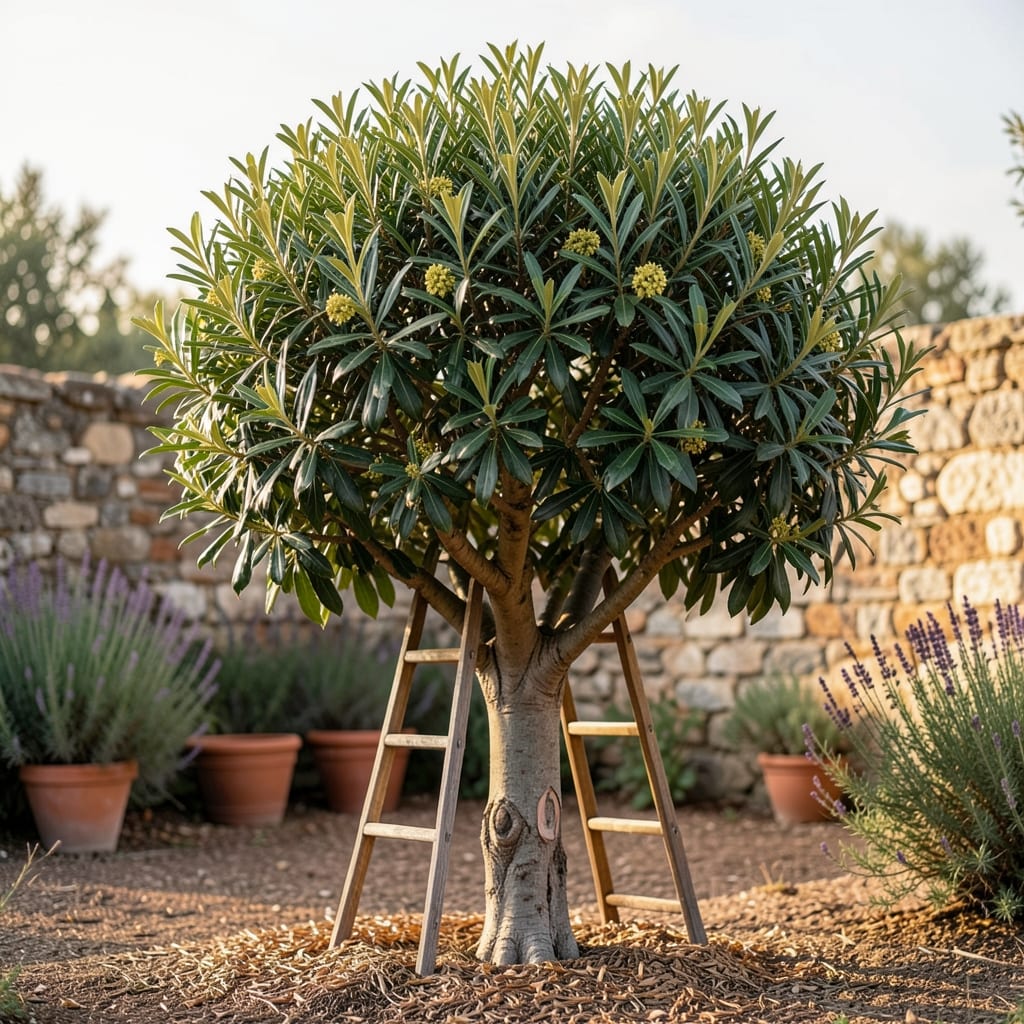
If you're wondering how tall do bay leaf trees grow, the answer might surprise you—these fragrant 🌿 classics can reach heights of 15 to 50 feet when planted in the ground, turning your backyard into a towering herb garden. But don’t let those towering stats scare you off: with the right variety and care, you can easily keep a bay leaf tree compact, whether in a pot or pruned to fit your space.
The key to controlling height lies in choosing the right cultivar. Sweet Bay Laurel, the classic kitchen herb, can grow wild in nature, but dwarf varieties stay under 8 feet, making them perfect for containers or small gardens. Even standard trees can be shaped with regular pruning, so you’re not stuck with a jungle if you prefer a tidy look.
For home gardeners, understanding growth habits is everything. A young bay leaf tree starts small—just 2 to 4 feet in its first year—but without pruning, it can shoot up quickly. The good news? Pruning isn’t just for size control; it also encourages denser foliage, meaning more leaves for your cooking. Whether you’re growing one for culinary use or just love its glossy leaves, knowing how to manage its growth will save you headaches down the road.
Ready to grow your own? I’ll break down the best varieties for small spaces, pruning tips to keep it manageable, and how to harvest leaves year-round—no matter how tall (or short) you want your bay leaf tree to be.


Bay leaf tree height by variety: sweet vs. hardy vs. dwarf options
If you’re planning to grow a bay leaf tree, the first question on your mind is likely how tall do bay leaf trees grow? The answer varies wildly depending on the variety you choose. The classic Sweet Bay Laurel (Laurus nobilis) can reach 15 to 50 feet in ideal conditions, but dwarf varieties stay under 8 feet, making them perfect for containers or small gardens. Let’s break down the options so you can pick the right size for your space.
For home gardeners, understanding these height differences is crucial. A standard Sweet Bay tree left unpruned will grow into a small tree, while California Bay Laurel (Umbellularia californica) can even top 60 feet in its native habitat. Even within the same species, growth habits can shift based on pruning and sunlight. The good news? With the right variety and care, you can keep your bay leaf tree at any height you prefer.
Here’s a quick comparison of the most popular varieties and their mature heights:
| Variety | Mature Height | Growth Rate | Best For |
|---|---|---|---|
| Sweet Bay Laurel (Laurus nobilis) | 15–50 ft | Moderate to fast | Large gardens, culinary use |
| Dwarf Sweet Bay (Laurus nobilis 'Angustifolia') | 6–12 ft | Slow to moderate | Containers, small yards |
| California Bay Laurel (Umbellularia californica) | 30–60 ft | Fast | Large landscapes, not culinary |
| Narrow Leaf Bay (Laurus nobilis 'Undulata') | 10–20 ft | Moderate | Hedges, narrow spaces |
The Sweet Bay Laurel is the most common choice for home gardeners because of its fragrant leaves and adaptability. If you’re growing it for cooking, this variety is your best bet—but its height can be managed with regular pruning. For smaller spaces, the Dwarf Sweet Bay is a game-changer, staying under 12 feet while still producing flavorful leaves. Just be aware that even dwarf varieties need space to thrive.
If you’re in a USDA Zone 7 or warmer, you can grow bay leaf trees outdoors year-round. In cooler climates, they’re often grown in large containers and brought indoors during winter. The key to keeping them compact is pruning in late winter or early spring before new growth begins. This not only controls height but also encourages bushier growth, which means more leaves for your recipes.
For those with limited space, consider starting with a dwarf variety in a 15-gallon pot. These trees can live for decades with proper care, so choosing the right size upfront will save you from future headaches. Whether you’re aiming for a 6-foot container specimen or a 20-foot backyard tree, the variety you pick will determine how much pruning—and how much space—you’ll need.
One common misconception is that bay leaf trees grow slowly. In reality, they can shoot up 2 to 4 feet per year if left unchecked. That’s why I recommend pruning young trees early to establish the shape you want. For example, if you’re growing a Sweet Bay in a 10-foot space, prune it back by one-third in its first year to encourage branching and control height.
For ornamental purposes, the Narrow Leaf Bay is a standout because of its wavy-edged leaves and upright growth habit. It’s often used in hedges or as a privacy screen because it can be sheared into neat shapes. If you’re growing it for culinary use, however, the Sweet Bay remains the gold standard for flavor.
No matter which variety you choose, remember that bay leaf trees thrive in full sun and well-draining soil. They’re also surprisingly drought-tolerant once established, making them low-maintenance once you get past the initial planting phase. With the right variety and care, you can enjoy fresh bay leaves year-round without sacrificing your garden’s layout.
Bay leaf tree height by variety: sweet vs. hardy vs. dwarf options
When choosing a bay leaf tree, the first question I ask myself is: how tall do bay leaf trees grow in my space? The answer varies wildly depending on the variety, with some reaching 50 feet in ideal conditions while others stay neatly under 8 feet. For home gardeners, this means picking the right cultivar can make all the difference between a manageable herb garden and a backyard jungle.
The most common variety, Sweet Bay Laurel (Laurus nobilis), is the classic choice for kitchens but can grow into a 20- to 50-foot tree if left unchecked. This Mediterranean native thrives in warm climates but will also grow in cooler zones with proper care. If you love the aroma but lack space, don’t worry—there are dwarf varieties specifically bred to stay compact.
| Variety | Mature Height | Growth Rate | Best For |
|---|---|---|---|
| Sweet Bay Laurel (Laurus nobilis) | 15–50 ft | Fast (3–5 ft/year) | Large gardens, culinary use |
| California Bay (Umbellularia californica) | 30–80 ft | Very fast (5+ ft/year) | Wild landscapes, large properties |
| Dwarf Bay Laurel (Laurus nobilis 'Angustifolia') | 6–12 ft | Slow (1–2 ft/year) | Containers, small yards, patios |
| Semi-Dwarf Bay (Laurus nobilis 'Semi-Dwarf') | 12–18 ft | Moderate (2–3 ft/year) | Medium spaces, hedges |
The California Bay is another option, but it’s not for the faint of heart—this native of the West Coast can soar to 80 feet in the wild! Its leaves are aromatic but more peppery than the classic bay leaf, making it less ideal for cooking. If you’re after a compact bay leaf tree, the Dwarf Bay Laurel is my top pick, typically staying between 6 and 12 feet tall even without heavy pruning.
For those with limited space, semi-dwarf varieties offer a middle ground, reaching 12 to 18 feet at maturity. These are perfect for urban gardens or backyards where you want a statement plant without sacrificing height control. The key to managing growth is understanding that even standard varieties can be pruned to fit smaller areas—more on that in the next section.
One thing I always emphasize to new gardeners is that pruning isn’t just for size control—it also improves leaf quality. Regular trimming encourages denser foliage, meaning more leaves for your recipes. Whether you choose a towering Sweet Bay or a pint-sized dwarf, your bay leaf tree’s height is entirely in your hands.
Now that you know the range, the next step is learning how to shape your tree. Pruning at the right time and with the right tools can turn a 50-foot monster into a 6-foot patio star—I’ll show you exactly how in the next section.