
Succulent
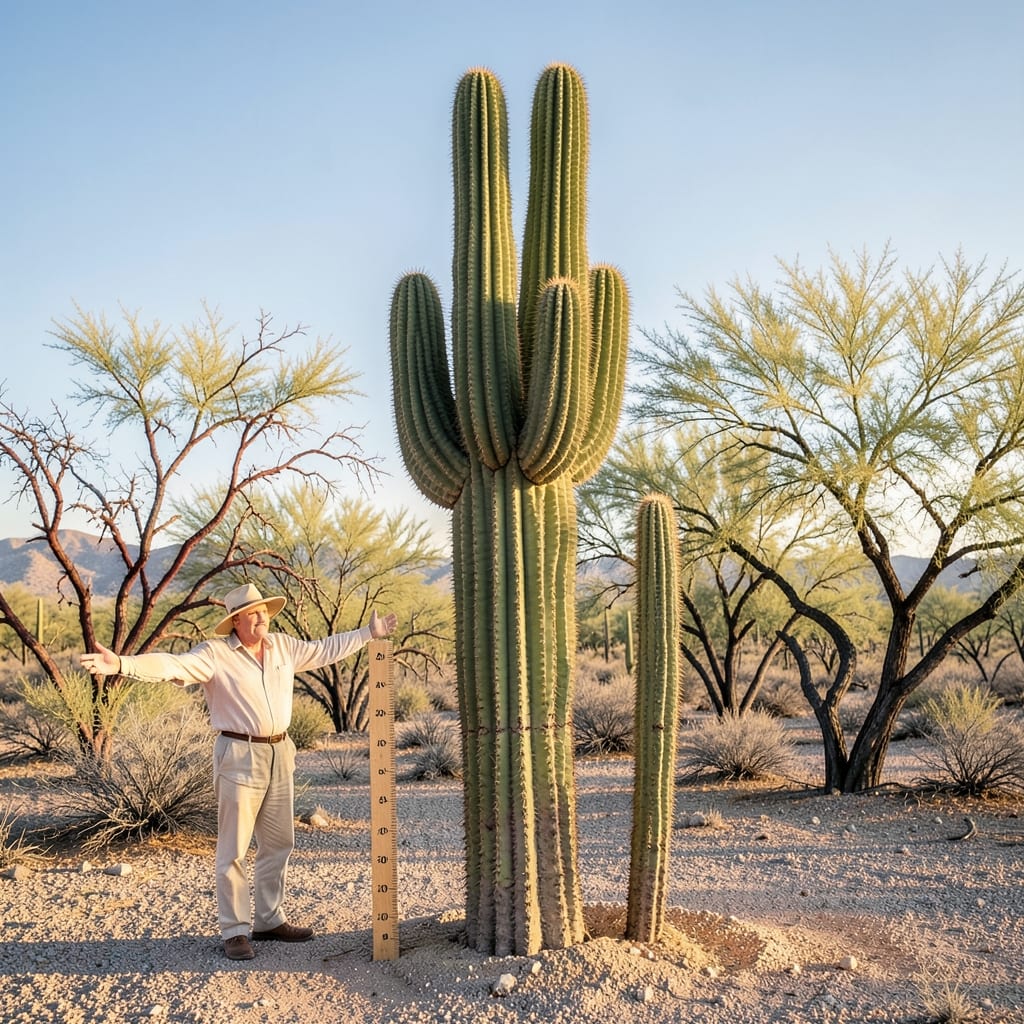
If you’ve ever wondered just how tall a cactus can grow—from a tiny windowsill plant to a towering jungle giant—you’re about to get the full picture. Some species stretch taller than a giraffe’s neck, while others stay perfectly manageable for home gardens. But what determines whether your cactus becomes a skyscraper or a compact centerpiece?
The answer lies in the species, climate, and care you provide. In USDA Zone 6a, where spring planting is ideal, certain cacti like the saguaro can reach 50 feet or more with the right conditions. Meanwhile, others like the popular Christmas cactus stay small and bushy. Understanding these differences is the first step to growing the perfect cactus for your space.
Whether you’re dreaming of a backyard jungle or just want a low-maintenance plant, knowing how tall your cactus can grow helps you plan. We’ll break down the tallest varieties, why some stay small, and how to encourage healthy growth—no matter your garden’s size. Let’s dive in!
From giant columnar cacti to tiny globular varieties, the possibilities are endless. With the right care, even a beginner can nurture a cactus that thrives—and maybe even surprises you with its height. Ready to find out how tall yours could go?


Tallest cactus species: record-breaking heights and growth factors
When it comes to cactus heights, the differences between species are as dramatic as the Sonoran Desert itself. Some cacti grow tall enough to shade entire trees, while others remain small enough to fit on a desk. The Saguaro (Carnegiea gigantea), an iconic symbol of the American Southwest, holds the record for the tallest cactus species, often reaching 50 to 60 feet in ideal conditions. That’s taller than a 5-story building!
But how do these giants grow so tall? It all starts with their native environments. In USDA Zone 6a, where spring planting is ideal, cacti like the Pachycereus pringlei (also called the Senita) can grow 15 to 20 feet tall. These columnar cacti thrive in hot, arid climates with minimal rainfall, perfect for regions like Arizona or New Mexico. Their growth rate is slow but steady, with some species adding 1 to 2 feet per year under optimal conditions.
Climate plays a huge role in determining how tall a cactus can grow. In cooler climates, like Zone 6a, growth may be slower, but with proper care—like using well-draining soil and providing full sun exposure—you can still encourage impressive height. For example, the Peruvian Apple Cactus (Cereus repandus) can reach 10 to 15 feet tall, even in slightly cooler regions, as long as it gets enough sunlight.
Now, let’s talk about the giants vs. the dwarfs. While some cacti stretch toward the sky, others like the Christmas Cactus (Schlumbergera) or Mammillaria species stay compact, rarely exceeding 3 to 6 inches in height. The difference often comes down to genetics. Some species are simply hardwired to stay small, while others have the potential to become towering structures with the right care.
Here’s a quick comparison to put it all in perspective:
| Cactus Species | Max Height | Growth Rate | Ideal Climate |
|---|---|---|---|
| Saguaro (Carnegiea gigantea) | 50–60 ft | 1–2 ft/year | Hot, arid deserts (Zones 9–11) |
| Senita (Pachycereus pringlei) | 15–20 ft | 6–12 inches/year | Desert regions (Zones 8–11) |
| Peruvian Apple Cactus (Cereus repandus) | 10–15 ft | 8–12 inches/year | Warm climates (Zones 7–11) |
| Christmas Cactus (Schlumbergera) | 3–6 inches | Slow, compact growth | Indoor, cooler climates (Zones 10–11) |
| Mammillaria | 1–3 inches | Very slow | Indoor or greenhouse (Zones 9–11) |
Soil quality is another critical factor. Cacti need well-draining soil to prevent root rot, which can stunt growth or even kill the plant. A mix of cactus soil, perlite, and coarse sand ensures roots get the oxygen they need to support rapid height increases. Without proper drainage, even the hardiest cactus species will struggle to reach their full potential.
Sunlight is just as important. Most tall cacti thrive in full sun conditions, with at least 6 to 8 hours of direct sunlight daily. In cooler climates like Zone 6a, you might need to supplement with grow lights during winter months to keep your cactus on track for maximum growth. Without enough light, cacti can become leggy or fail to grow vertically at all.
If you’re dreaming of a backyard cactus that stretches toward the sky, start with a species known for its height, like the Saguaro or Senita. With the right soil, sunlight, and a little patience, you could be rewarded with a cactus that becomes a stunning focal point in your garden. And if you prefer something smaller, don’t worry—there are plenty of compact varieties that are just as beautiful and easier to manage.
Whether you’re aiming for a giant or a miniature, understanding these growth factors will help you choose the perfect cactus for your space. Next, we’ll explore why some cacti stay small and how to encourage healthy growth in compact varieties.
Why do some cacti stay small? Genetics, care, and growth limits
Not all cacti are built for sky-high growth—some stay delightfully small, perfect for shelves or windowsills. The Mammillaria and Echeveria varieties, for example, rarely exceed 3 feet in height, even with ideal care. These compact cacti thrive on slow, steady growth, making them ideal for indoor gardeners with limited space.
The reason behind their small stature often boils down to genetics. Many dwarf cacti are bred or naturally selected to stay low to the ground, conserving energy for root development rather than vertical growth. This trait is especially common in globular cacti, which focus on spreading outward instead of shooting upward.
- Species Traits: Globular cacti (e.g., Rebutia) grow wide, not tall.
- Growth Rate: Slow-growing varieties (e.g., Lophophora) add just 1 inch per year.
- Container Size: Root-bound cacti in small pots stunt vertically.
- Watering Habits: Overwatering can cause rot, halting growth entirely.
- Light Exposure: Insufficient sunlight slows photosynthesis, limiting height potential.
Even with the best care, some cacti simply aren’t wired for height. Take the Christmas cactus (Schlumbergera), which maxes out at 12 inches—its segmented, trailing stems are its defining feature, not towering spikes. These plants prioritize bushiness over vertical growth, making them perfect for hanging baskets or desk displays.
If you’re growing cacti in containers, size limitations become even more apparent. A 3-inch pot restricts root expansion, forcing the plant to focus on survival rather than stretching upward. For taller growth, upgrade to a 5-gallon container or larger, giving roots the space to support vertical expansion.
Light plays a crucial role too. While most cacti crave full sun, some varieties—like the Lithops—thrive in bright indirect light and rarely exceed 2 inches in height. These "living stones" prioritize camouflage over growth, blending seamlessly into their rocky habitats.
For gardeners eager to keep cacti small, pruning and repotting can help maintain desired dimensions. Trimming leggy stems or dividing overcrowded clumps encourages a compact, bushy shape while preventing unintended vertical growth. With the right approach, even the tallest cacti can be managed to fit your space—whether that’s a windowsill or a backyard corner.