
How To
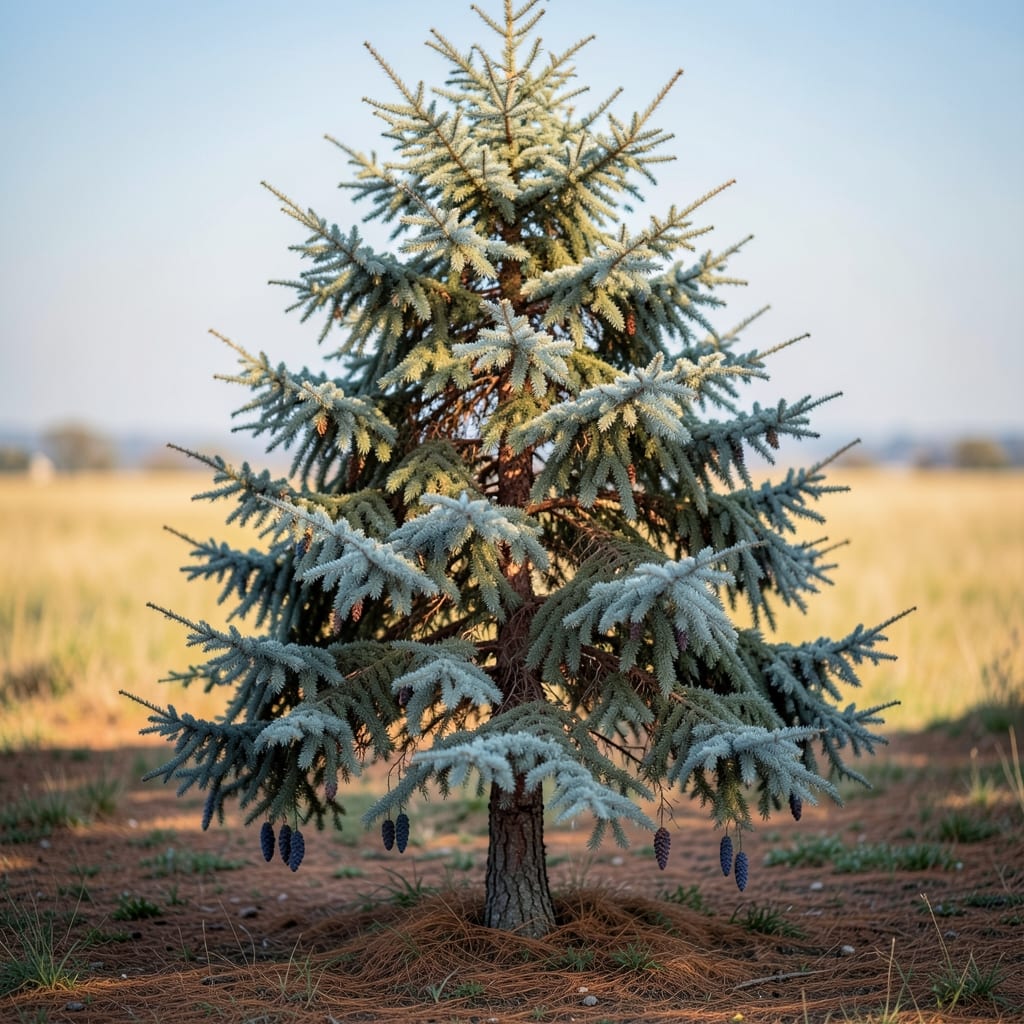
Wondering how tall can a cedar tree grow before it becomes a towering neighbor? The answer might surprise you—some varieties stretch over 100 feet, while others stay perfectly sized for cozy backyard spaces. Whether you're dreaming of a privacy screen or a statement piece, knowing these heights helps you plan for years ahead.
Cedar trees like the Eastern Red Cedar can reach heights of 40 feet or more, making them a bold choice for larger properties. But don’t let that intimidate you—dwarf varieties like 'Blue Ice' stay under 10 feet, perfect for smaller gardens. The key is understanding how each species grows and what conditions help them thrive.
Growth rates vary wildly: some cedars grow just 1-2 feet per year early on, while others surge faster with the right soil and sunlight. Climate plays a huge role—cooler zones like USDA 6a might slow growth, while warmer areas can speed it up. Let’s break down the exact heights you can expect from the most popular cedar species.
Ready to pick the perfect cedar for your space? You’ll learn which varieties fit tight yards, which need room to stretch, and how to keep them healthy so they grow exactly as you imagine. Let’s get started!

Cedar tree height by species: exact growth ranges and mature dimensions
Cedar trees are legendary for their longevity and towering presence, but their height varies wildly depending on the species. If you’re planning to plant one, knowing these exact dimensions will help you choose the perfect fit for your space. Some cedars grow like skyscrapers, while others stay manageable for smaller yards.
The Eastern Red Cedar (Juniperus virginiana) is the most common variety in North America, often reaching 30 to 40 feet tall at maturity. It’s a favorite for privacy screens and windbreaks, but it can easily outgrow its welcome if not planned for. Meanwhile, the Western Red Cedar (Thuja plicata) is even more impressive, with mature heights of 60 to 70 feet in ideal conditions.
For those with limited space, the Atlas Cedar (Cedrus atlantica) offers a striking alternative, typically growing 40 to 60 feet tall but with a more compact spread. Its blue-green needles make it a standout ornamental tree, even in smaller landscapes. If you’re eyeing a cedar for a cozy backyard, dwarf varieties like 'Blue Ice' or 'Emerald Green' max out at just 8 to 12 feet—ideal for containers or tight spaces.
🌲 Cedar Tree Height Comparison
| Species | Mature Height (ft) | Spread (ft) | Growth Rate (ft/year) | Best For |
|---|---|---|---|---|
| Eastern Red Cedar | 30–40 ft | 15–25 ft | 1–2 ft | Privacy screens, wildlife habitats |
| Western Red Cedar | 60–70 ft | 20–30 ft | 2–3 ft | Large landscapes, shade trees |
| Atlas Cedar | 40–60 ft | 20–30 ft | 1–2 ft | Ornamental focal points |
| Deodar Cedar | 50–70 ft | 25–40 ft | 2 ft | Park-like settings, large estates |
| Dwarf Varieties (e.g., 'Blue Ice') | 8–12 ft | 4–6 ft | 0.5–1 ft | Containers, small gardens |
Climate and soil play a huge role in how tall a cedar tree grows. For example, Eastern Red Cedars thrive in USDA zones 2–9 but grow faster in warmer zones like 7b–9a, where they can reach their maximum height in 20–30 years. In cooler zones, growth slows, and they may take 40+ years to mature. Well-draining, slightly acidic soil (pH 5.0–7.0) is ideal for most cedars, while waterlogged or alkaline soil can stunt their growth.
If you’re planting a cedar for privacy or shade, the Western Red Cedar or Deodar Cedar are top choices—their massive canopies provide year-round coverage. But if you want a low-maintenance, slow-growing option, the Atlas Cedar or a dwarf variety will save you space and effort. Just remember: even dwarf cedars need room to spread, so always check their mature spread before planting.
One common misconception is that all cedars grow equally fast. In reality, dwarf varieties grow just 6 inches per year, while fast-growing species like the Western Red Cedar can add 2–3 feet annually in their prime. This means a 10-foot-tall tree might take just 3–5 years to establish in ideal conditions—or decades in poor soil.
For urban gardeners, container-grown cedars (like 'Emerald Green') are a game-changer. These stay under 10 feet tall even in pots, making them perfect for patios or balconies. Just ensure your container has drainage holes and use a lightweight potting mix to prevent root rot. Even with containers, cedars thrive best with full sun exposure and minimal pruning—they naturally grow into beautiful, symmetrical shapes.
Before you plant, measure your space and research local climate conditions. A
How long does it take for a cedar tree to reach maximum height?
If you’re wondering how long it takes for a cedar tree to reach its full height, the answer depends entirely on the species and growing conditions. Most cedars are slow to moderate growers, meaning it can take anywhere from 10 to 50 years to reach maturity. For example, the Eastern Red Cedar might take 20–30 years to hit its 30–40 foot maximum, while the Western Red Cedar can grow 2–3 feet per year and reach 60+ feet in just 25–30 years.
The first 5 years are critical for cedar growth. In ideal conditions—full sun, well-draining soil, and consistent moisture—you can expect 1–3 feet of growth annually. However, if your tree struggles with poor soil or drought, growth may slow to just 6 inches per year, delaying maturity by decades. This is why soil prep and watering schedules matter so much in the early years.
🌲 Growth Timeline by Species 🌲
📌 Cedar Tree Growth Milestones
- Years 1–5: 1–3 ft/year (fastest growth phase)
- Years 6–10: 1–2 ft/year (slows as roots establish)
- Years 11–20: 0.5–1.5 ft/year (steady growth)
- Years 21+: 0.1–1 ft/year (matures, growth slows dramatically)
Climate plays a huge role in growth speed. Cedar trees in warmer USDA zones (7b–9a) grow 30–50% faster than those in cooler zones (2–5). For instance, an Atlas Cedar in Zone 8 might reach 40 feet in 25 years, while the same tree in Zone 5 could take 40+ years. Winter chill and summer heat both impact growth—cedars in Mediterranean climates thrive, while those in humid subtropical zones may struggle with fungal issues that stunt height.
Pruning can also accelerate or delay height growth. If you prune a cedar aggressively in its first 5 years, it may focus energy on filling out its canopy rather than stretching upward. Conversely, minimal pruning allows cedars to grow taller faster. For example, a Western Red Cedar left unpruned can add 3 feet per year in its prime, while one heavily pruned might only gain 1 foot annually.
Dwarf varieties like 'Blue Ice' or 'Emerald Green' are the exceptions—they reach their 8–12 foot maximum in just 5–10 years because their genetics limit height. These are ideal for gardeners who want instant structure without waiting decades. Even so, they still benefit from annual pruning to maintain their compact shape and encourage bushier growth.
Before planting, check your local average frost-free days and soil type. Cedar trees in areas with longer growing seasons (like Zone 9+) will grow faster than those in shorter-season zones. If you’re in doubt, start with a container-grown sapling—it’s easier to monitor growth and adjust care as needed. With the right conditions, your cedar could be a privacy powerhouse or shade provider in just a few decades!