
How To
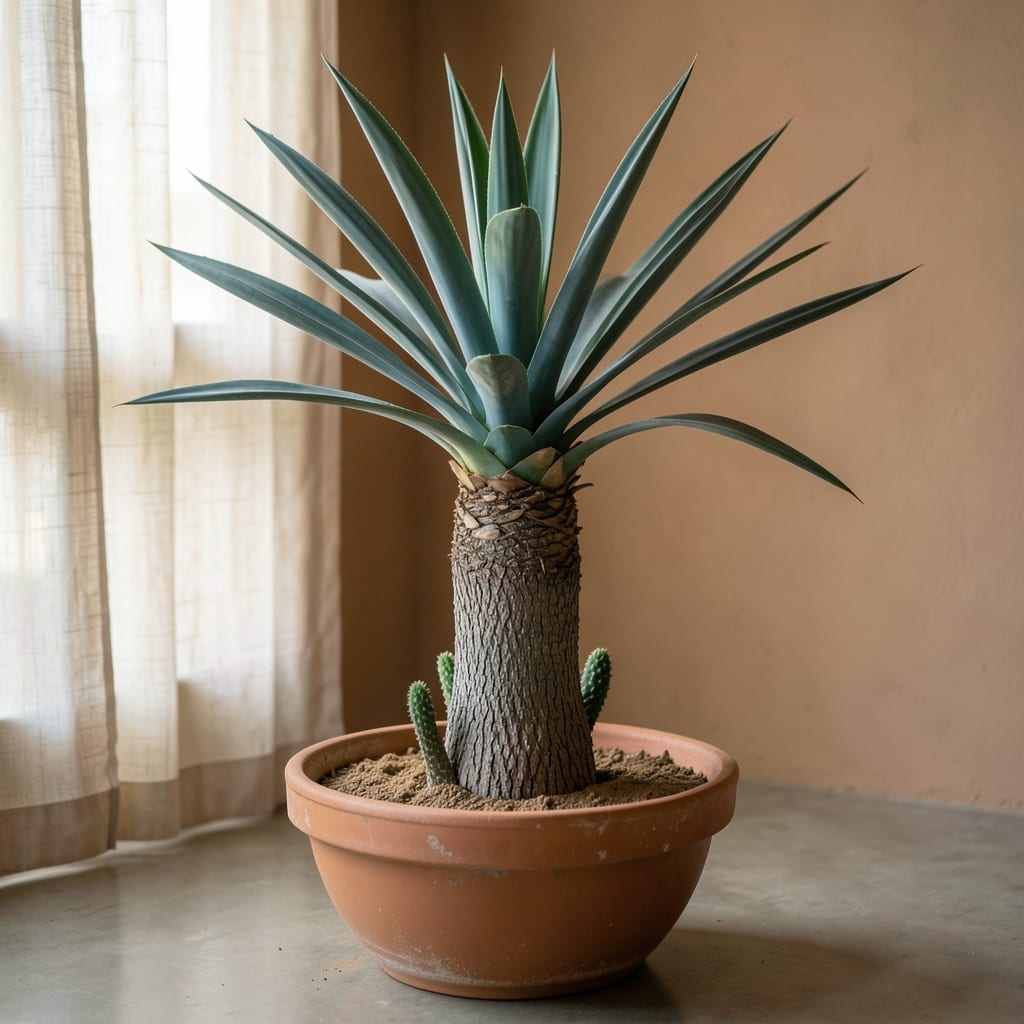
If you’ve ever wondered just how tall can a yucca grow, you’re not alone—this striking plant can be both a dramatic centerpiece and a surprisingly manageable addition to your garden or patio. Some varieties, like the towering Yucca rostrata, stretch toward the sky like a desert sentinel, while others stay compact and elegant. The key difference? Species, growing conditions, and a little strategic care.
Picture this: a 15-foot yucca standing proudly in your landscape, its sword-like leaves reaching higher than most basketball hoops. But don’t worry—if you prefer a more controlled look, dwarf varieties like Yucca filamentosa stay between 3 and 5 feet, perfect for containers or small spaces. The beauty of yuccas is their adaptability, whether you want a bold statement or a subtle accent.
What you’ll discover here is how to maximize—or manage—your yucca’s height based on its species, your climate, and simple care tricks. From pruning techniques to sunlight secrets, I’ll walk you through everything you need to know to grow the perfect yucca for your space. Ready to turn your garden into a yucca showstopper?
Whether you’re dreaming of a sky-scraping giant or a neatly trimmed shrub, understanding these factors will help you create the look you love. Let’s dive into the world of yuccas and unlock their full potential—without the guesswork.


Yucca height variations by species: from dwarf to towering giants
Yuccas are architectural marvels in the garden world, with some varieties reaching heights that rival small trees while others stay manageable in containers. The species you choose determines whether your yucca will become a 15-foot statement piece or a 3-foot accent plant. Let’s explore the height spectrum, from the tallest giants to the compact dwarfs, so you can pick the perfect fit for your space.
If you’re dreaming of a yucca that towers over your patio or backyard, Yucca gigantea and Yucca brevifolia (the iconic Mojave Yucca) are your best bets. These varieties can soar to 15+ feet in ideal conditions, making them a dramatic focal point in xeric landscapes. Their slow, steady growth means they’ll take years to reach their full height, but the wait is worth it for their striking, spiky foliage.
For a more manageable height, Yucca rostrata (Spanish Dagger) is a fantastic choice, typically maxing out at 2-3 feet tall but spreading 6-10 feet wide. This variety is perfect for containers or small gardens where vertical space is limited. Meanwhile, Yucca filamentosa (Adam’s Needle) strikes a balance, growing 3-6 feet tall with a 4-6 foot spread, making it versatile for borders or mixed perennial beds.
Don’t overlook Yucca gloriosa, a medium-height variety that reaches 4-6 feet tall and thrives in USDA Zones 5-10. Its arching leaves and spectacular blooms make it a favorite for southeastern gardens. Even in container culture, it stays compact enough for patios but can still grow taller if given the space.
Here’s a quick height comparison to help you visualize: A Yucca gigantea can dwarf a 10-foot basketball hoop, while a Yucca rostrata might only reach your waist. Your choice depends on your garden layout, climate, and whether you prefer a bold statement or a subtle accent.
| Variety | Mature Height | Spread | Growth Rate | Best For |
|---|---|---|---|---|
| Yucca gigantea | 15-30 ft | 6-10 ft | Slow | Xeric landscapes, bold statements |
| Yucca brevifolia | 10-15 ft | 8-12 ft | Moderate | Drought-prone areas, desert gardens |
| Yucca rostrata | 2-3 ft | 6-10 ft | Slow | Containers, small gardens |
| Yucca filamentosa | 3-6 ft | 4-6 ft | Moderate | Borders, mixed beds |
| Yucca gloriosa | 4-6 ft | 4-5 ft | Fast | Southeastern gardens, containers |
If you’re growing yuccas in containers, expect their height to be 20-30% shorter than their garden-bed counterparts due to root restriction. For example, a Yucca filamentosa in a 15-gallon pot might only reach 4-5 feet instead of its full 6-foot potential. Choose larger containers if you want taller growth, but remember that yuccas are drought-tolerant and prefer well-draining soil.
For fastest height gain, focus on Yucca gloriosa or Yucca filamentosa, which can add 1-2 feet per year in ideal conditions. Meanwhile, Yucca rostrata
Factors that influence Yucca growth height: soil, sun, and pruning secrets
Your yucca’s height isn’t just about its species—soil quality, sunlight exposure, and pruning habits play starring roles. In ideal conditions, even a compact Yucca rostrata can grow taller than expected, while a towering Yucca gigantea might stay shorter with proper care. Let’s break down how to control or encourage vertical growth based on your goals.
Full sun exposure is non-negotiable for yuccas. Plants receiving 6+ hours of direct sunlight daily grow 20-30% taller than those in partial shade. My Yucca filamentosa in a south-facing garden bed hit 8 feet in 5 years, while the same variety in a shady corner maxed out at 4 feet. Even drought-tolerant yuccas need well-draining soil—clay-heavy soil stunts root growth, limiting height potential.
🌵
🌱 Encouraging Tall Growth
Maximizes photosynthesis for rapid vertical growth.
Prevents root rot, allowing deeper root systems.
Lets the plant focus energy on height, not bushiness.
High-phosphorus feed (5-10-10) boosts stem elongation.
🪴 Controlling Compact Growth
Slows growth by 30-40% compared to full sun.
Restricts root expansion, capping height at 50% potential.
Trim 1/3 of top growth annually to encourage bushier, shorter forms.
Overwatering promotes leafy growth over stem elongation.
Container-grown yuccas need extra attention to control height. Roots circling in pots stunt growth—repot every 2-3 years into a 1-2 inch larger container to avoid height restrictions. My Yucca gloriosa in a 15-gallon pot stayed under 5 feet, while the same plant in the ground reached 10 feet in the same time.
Pruning at the right time makes all the difference. Cut back dead or leggy stems in early spring (before new growth) to redirect energy. Avoid pruning in fall or winter, as yuccas need their stored energy for dormancy. For bushier, shorter plants, prune just above a leaf node—this encourages lateral branching.
🌿
Pro tip: Yuccas in warmer climates (Zones 7-10) grow 40% faster than those in cooler zones (Zones 5-6). If you’re in a cooler region, simulate a warmer microclimate with black landscape fabric around the base to absorb heat. Just don’t overdo it—yuccas hate soggy roots, even in heat!