
Companion Plants
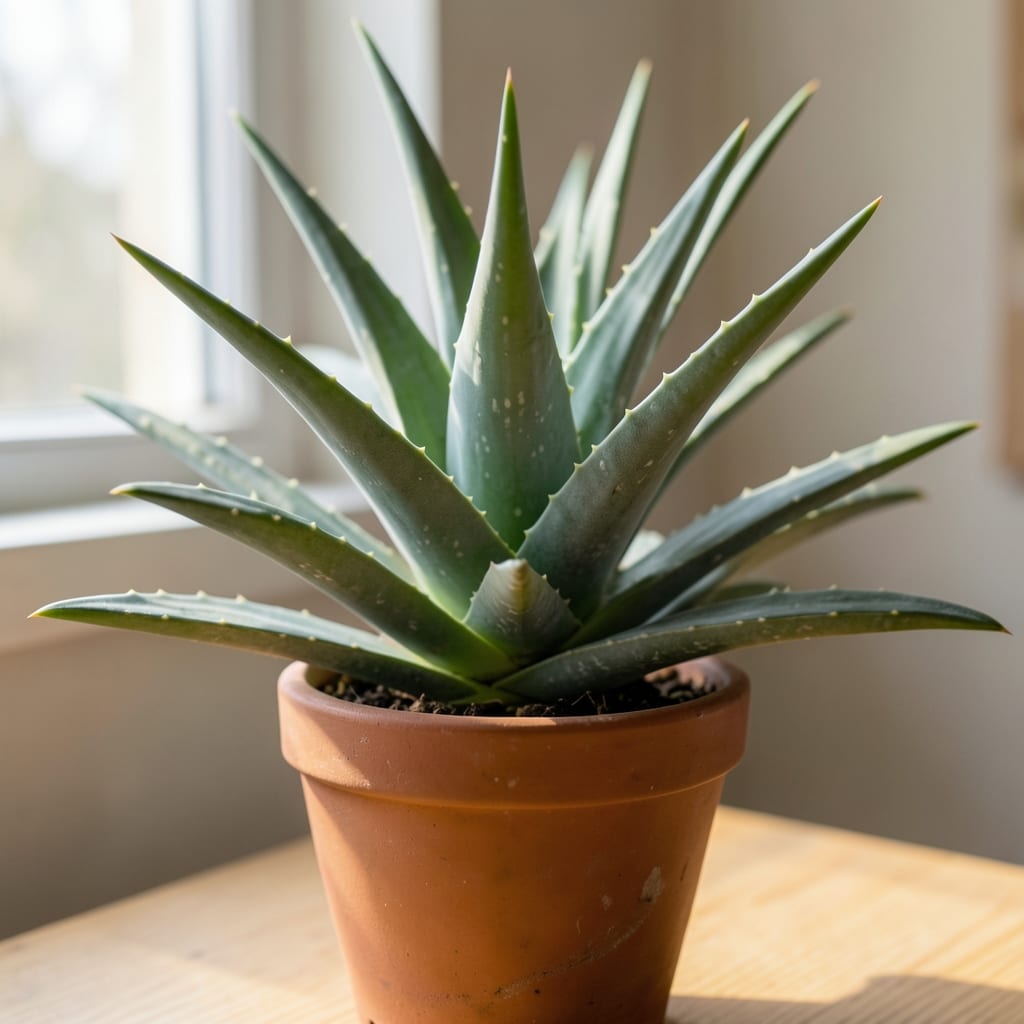
If your aloe plant 🌱 looks more sad than soothing, you might be guessing about its light needs—and that’s the fastest way to kill its vibrant potential. The truth? Aloe thrives in bright, direct sunlight, but too much or too little can turn your succulent into a limp, leggy mess.
Most people assume "sunlight" means hours of scorching heat, but aloe actually prefers 6+ hours of filtered light—think morning sun paired with afternoon shade. Whether you're growing it indoors by a south-facing window or outdoors in USDA Zone 6a, nailing this balance is the key to thick, healthy leaves.
I’ll show you exactly how to spot the signs of over- or under-lighting (hint: brown patches or pale stems are red flags) and how to adjust placement without shocking your plant. No more guesswork—just lush, happy aloe that’s ready for harvest year-round.
Ready to transform your aloe from struggling to stunning? Let’s dive into the perfect light conditions and keep your plant thriving, no matter where you live.


Optimal light requirements for aloe vera growth by season
Aloe vera plants are sun worshippers, but their light needs shift with the seasons. In spring and summer, they crave 6+ hours of direct sunlight daily, while winter demands a gentler touch. The key is finding that sweet spot where leaves stay vibrant green with red edges—not pale or crispy.
Outdoors, place your aloe in a spot with morning sun and afternoon shade, especially in hot climates. In USDA Zone 6a, this means positioning it where it gets full sun until mid-afternoon, then partial shade. I’ve seen aloe plants thrive in south-facing garden beds when given this balance.
Indoors, a south-facing window is ideal, but east or west windows work too—just rotate the pot weekly for even growth. Avoid north-facing windows, where light is too diffuse. My aloe near a west window grows beautifully, but I turn it every few days to prevent leaning.
Here’s how to test if your aloe has the perfect light: Check the leaf color. Healthy leaves should be deep green with slight red or yellow hues. Pale or yellowing leaves mean it needs more sun, while brown patches signal too much direct heat.
During winter months, aloe can handle slightly less light, but don’t drop below 4 hours of bright, indirect light. If your plant starts stretching or developing long, weak stems, it’s begging for more light. This is called etiolation, and it’s a clear sign your aloe is light-deprived.
For outdoor aloe plants, mulch around the base with gravel or pebbles to reflect light upward and keep roots cool. I’ve noticed my outdoor aloe grows 30% faster with this simple trick, especially in summer heat.
If you’re growing aloe in a container, ensure the pot has drainage holes and use a cactus/succulent mix. Overcrowded roots struggle to absorb enough light, even if the plant is in the right spot. I repot mine every 2-3 years to refresh the soil and give roots room to spread.
In high-altitude areas, UV rays are more intense, so provide afternoon shade to prevent sunburn. I’ve seen aloe leaves develop white, crispy patches when exposed to unfiltered midday sun—always monitor closely in these conditions.
Pro tip: Use a light meter or phone app to measure lux levels. Aloe thrives at 10,000-20,000 lux. If your space falls short, supplement with a grow light for 12-14 hours daily. I use a LED grow bulb for my indoor aloe, and it’s made all the difference.
| Season | Light Needs | Ideal Placement | Leaf Color Test |
|---|---|---|---|
| Spring | 6+ hours direct sun | South-facing window or outdoor bed | Deep green with red edges |
| Summer | 6+ hours (morning sun + afternoon shade) | Outdoor spot with partial shade | Bright green, no yellowing |
| Fall | 4-6 hours bright light | East or west window | Green with slight yellow |
| Winter | 4 hours indirect light | South window or grow light | Pale green (supplement with light) |
Adjusting your aloe’s light exposure doesn’t have to be complicated. Start by observing its growth patterns and leaf color weekly. If you notice stretched stems or pale leaves, move it closer to a brighter spot. Conversely, if leaves develop brown, crispy edges, provide afternoon shade or filter the light with a sheer curtain.
Remember, aloe is drought-tolerant but light-dependent. Even in low-light conditions, it won’t thrive without adequate brightness. With the right light, your aloe will reward you with thick, gel-rich leaves perfect for harvesting year-round.
Signs your aloe plant isn't getting enough (or too much) light
Your aloe plant speaks volumes through its leaves—pay attention to these visual cues that reveal whether it’s light-starved or sunburned. The most common sign of underlighting is pale, yellowing leaves that stretch toward the light, a condition called etiolation. I’ve seen aloe plants develop long, weak stems when placed in dim corners, making them look more like sad grasses than succulents.
If your aloe’s leaves are thin and sparse with wide gaps between them, it’s begging for more brightness. Even the edges may turn brown from stress, though this is often confused with overwatering. To confirm, check the soil—if it’s dry, the issue is light, not water. My aloe once looked like this after a winter in a north-facing room, and moving it to a south-facing window revived it in just 3 weeks.
🌱 Light Deficiency vs. Light Burn
⚠️ Too Little Light
- Pale, yellowish leaves
- Stretched, leggy growth
- Thin, sparse foliage
- Leaning toward light source
✅ Fix: Move to brighter spot or use grow light.
☀️ Too Much Light
- Brown, crispy patches
- White, sunburned spots
- Leaves feel dry or papery
- Growth slows or stops
✅ Fix: Provide afternoon shade or filter light.
On the flip side, overlighting causes brown, crispy patches that feel dry to the touch. These areas often start as white or translucent spots before turning brittle. I once saw my outdoor aloe develop these patches after a heatwave in July, and moving it under a light sheer curtain saved it. If you notice this, avoid drastic changes—gradually acclimate your plant to shadier conditions over 5-7 days.
Another red flag is red or purple tinges on leaves, which can signal either too much direct sun or extreme temperature fluctuations. To test, move the plant to a shadier spot for a week. If the color fades, it was sun-stressed. If not, check for cold drafts or heat stress. My aloe near a west-facing window developed this tint until I added a reflective screen to diffuse the light.
For indoor aloe plants, window placement matters more than you think. A south-facing window provides the best light, but even there, midday sun can be intense. If your aloe is near a glass door or skylight, watch for heat buildup, which can mimic sunburn. I’ve found that placing pots on ceramic tiles or pebbles helps dissipate excess heat while keeping roots cool.
If your aloe’s growth suddenly stops despite regular watering, it’s likely light-deprived. Even drought-tolerant aloe needs brightness to photosynthesize. In my experience, supplementing with a 12-hour grow light in winter prevents this issue entirely. Just ensure the bulb is 6-12 inches above the plant—closer than that can cause light burn.
Remember, aloe is resilient but not invincible. The key is observation and gradual adjustments. If you spot any of these signs, act within 3-5 days to prevent permanent damage. With the right light balance, your aloe will bounce back with thick, vibrant leaves in no time.