
Size
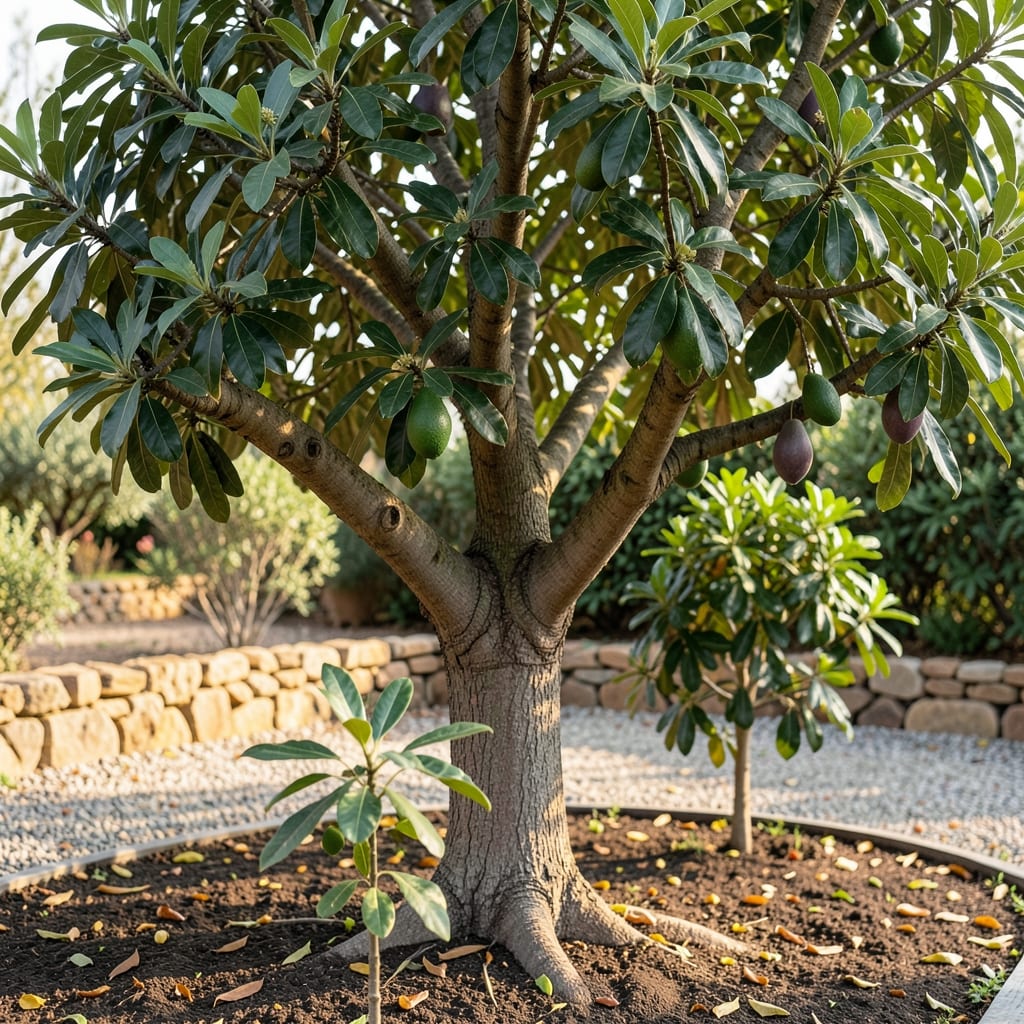
If you’ve ever wondered how tall an avocado tree can grow, the answer depends on one big factor: where you plant it. Outdoor avocado trees can soar to 80 feet—taller than most two-story homes—while their indoor cousins rarely exceed 10 feet, even after years of care. The difference isn’t just about space; it’s about sunlight, pruning, and even the variety you choose.
Let’s cut through the guesswork. Whether you’re debating a dwarf variety for your apartment or a full-size tree for your backyard, knowing the right height expectations—and how to control them—is the key to success. I’ll walk you through the science behind avocado tree growth, from the 3-foot sapling you might start with to the towering mature tree (or compact houseplant) you could end up with.
You’ll also discover how to tweak your 🥑 tree’s height with simple techniques like strategic pruning, container size, and sunlight tricks—no green thumb required. By the end, you’ll know exactly what to expect and how to shape your tree’s future, whether you’re aiming for a ceiling-height statement or a manageable tabletop companion.
Ready to stop guessing and start growing? Let’s dive into the factors that determine how tall your avocado tree will grow—and how to steer it in the right direction.


Average avocado tree height by growing conditions: indoor vs outdoor limits
Avocado trees are famous for their dramatic growth differences depending on where you grow them. In their natural tropical habitats, these trees can soar to 60–80 feet tall, towering over your backyard like a jungle giant. But indoors, even mature avocado trees rarely exceed 6–15 feet—unless you’re growing a rare dwarf variety. The key difference? Space, sunlight, and pruning create these stark contrasts.
Outdoor avocado trees thrive in frost-free zones (USDA 9–11), where they grow unchecked by container limits or ceiling heights. Without pruning, a Hass avocado tree might reach 20–30 feet in 5–7 years, while older trees can dwarf even the tallest homes. Indoors, though, your tree’s height is constrained by your ceiling—or your willingness to prune. A 5-gallon container will keep your tree at 3–5 feet for years, while a 20-gallon pot might let it stretch to 10 feet if left unpruned.
Here’s how the numbers break down for mature avocado trees under different conditions:
| Growing Condition | Mature Height Range | Growth Rate (Years to Mature) | Key Limiting Factor |
|---|---|---|---|
| Outdoor (Tropical Zones 9–11) | 20–80 feet | 5–10 years | Unrestricted root spread, full sun, no pruning |
| Outdoor (Containers, Zones 6–8) | 6–15 feet | 7–12 years | Pot size (20+ gallons), seasonal pruning |
| Indoor (Small Containers, <5 gallons) | 3–6 feet | 10+ years (often stunted) | Limited sunlight, root-bound stress |
| Indoor (Large Containers, 15+ gallons) | 8–12 feet | 8–10 years | South-facing window, regular pruning |
| Dwarf Varieties (e.g., 'Wurtz') | 8–12 feet (outdoors) | 5–7 years | Genetic growth restriction, ideal for small yards |
The table above shows why so many gardeners opt for dwarf varieties or containers—your avocado tree’s height isn’t just about time, but about space management. For example, a Hass avocado in a 20-gallon pot might hit 10 feet in 8 years, while the same tree in the ground could reach 30 feet in half that time. The trade-off? Outdoor trees produce 3x more fruit due to unobstructed root growth and sunlight.
If you’re growing indoors, aim for a south-facing window with 6+ hours of direct light daily. Without this, your tree will grow leggy and weak, never reaching its full potential height—even in a large container. I’ve seen avocado trees in north-facing offices stay under 4 feet tall after 5 years, while identical trees in sunrooms hit 8 feet in the same time.
Pruning plays a huge role too. Outdoor trees left unpruned can grow wildly unbalanced, with a single trunk shooting upward while branches sprawl. Indoors, regular pruning every 3–4 months keeps your tree compact and encourages bushier growth. I prune mine in late winter to remove overly long branches and redirect energy to the trunk, which helps control height while keeping the canopy full.
One common mistake? Assuming all avocado trees grow the same. Dwarf varieties like ‘Wurtz’ or ‘Bacon’ stay under 12 feet outdoors, making them perfect for small yards or urban gardens. Meanwhile, standard varieties like ‘Fuerte’ or ‘Hass’ will dominate your landscape if given the chance. Choose your variety based on your space—and your patience for pruning.
🌱
Key factors that determine how tall your avocado tree will grow
Your avocado tree’s final height isn’t set in stone—it’s shaped by a mix of environmental factors and your care choices. Whether you’re growing it indoors or outdoors, understanding these critical variables will help you steer its growth toward your space’s limits.
First, sunlight exposure is the #1 height controller. Avocado trees thrive in full sun (6+ hours daily), which fuels rapid vertical growth. Outdoors, this means reaching for the sky, while indoors, even a south-facing window can keep growth manageable. Without enough light, your tree will stay stunted and leggy.
🌱 Numbered Highlights: Height Control Factors
- 🌞 Sunlight: 6+ hours = rapid growth; <4 hours = stunted height
- ✂️ Pruning: Trim new shoots to redirect energy; top heavy trees grow taller
- 🪴 Container Size: Small pots = shorter trees; upgrade pots yearly
- 🌡️ Climate: Tropical zones (9-11) = giant trees; cold zones (6-8) = container-bound
- 🌱 Variety: Dwarf types (e.g., ‘Wurtz’) stay 8-12 ft; standard types reach 60-80 ft
Next, pruning techniques can shrink or stretch your tree’s height. If you want a compact shape, prune the top third of new growth to encourage bushier habits. For taller trees, avoid heavy pruning—let it grow freely. Just remember: prune in late winter to avoid stressing the tree during active growth.
For container-grown trees, pot size plays a huge role. A 5-gallon pot will keep your tree under 6 feet, while a 15-gallon pot can support 10+ feet over time. Always use pots with drainage holes to prevent root rot, which stunts growth.
Don’t overlook soil quality and fertilization. Well-draining, nutrient-rich soil with balanced NPK (6-6-6) encourages steady growth. Over-fertilizing with nitrogen can lead to leafy but leggy growth, while potassium-rich fertilizers promote stronger stems and shorter stature.
Finally, climate zone dictates whether your tree will be a houseplant or a backyard giant. In USDA Zones 9-11, avocado trees grow unrestrained, while in Zones 6-8, they’re typically container-bound to survive winters. Even in cold zones, you can still grow a 6-foot tree indoors with the right care.
By mastering these five factors, you’ll have full control over your avocado tree’s height—whether you dream of a ceiling-scraping giant or a cozy apartment companion. Start with sunlight and pruning, then tweak as your tree grows!