
Plants
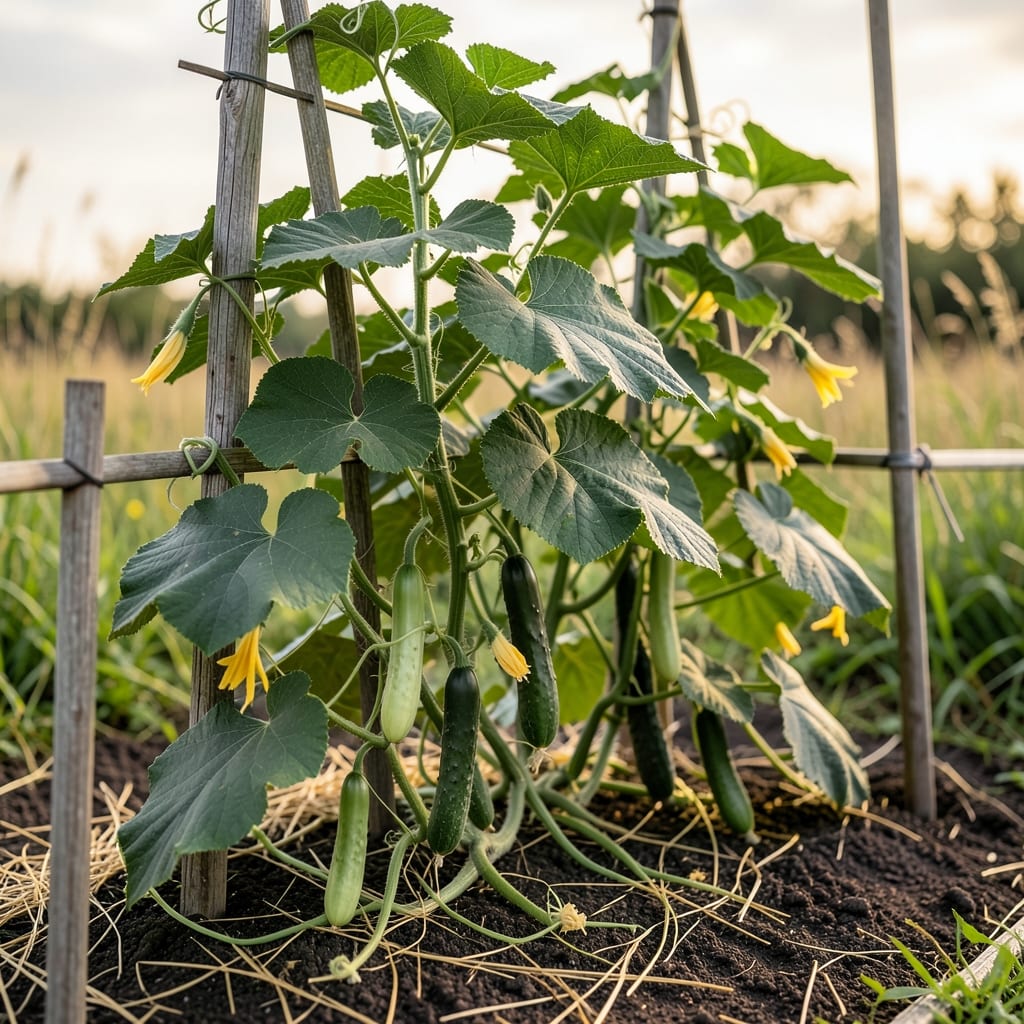
If you’ve ever wondered how tall can cucumber plants grow, the answer might surprise you—some varieties stretch taller than your garage! 🥒 Whether you’re planning a backyard garden or a container setup, understanding your cucumber’s growth potential is the key to maximizing space and yield.
Cucumber plants fall into two main categories: compact bush types (typically 3–6 feet) and aggressive vining varieties that can reach 10–20 feet with proper support. The difference isn’t just about height—it’s about how you’ll manage them, from trellising to pruning, to keep them productive without taking over your garden.
For those with limited space, dwarf varieties are a game-changer, offering 1–3 feet of growth while still delivering a bountiful harvest. But if you’re dreaming of cucumbers dangling from a towering trellis, vining types like ‘Straight Eight’ or ‘Marketmore’ can climb like jungle vines—given the right conditions.
In this guide, I’ll break down the height ranges by variety, share pro tips for controlling growth, and help you decide whether to let your cucumbers sprawl or scale the skies. Ready to turn your garden into a vertical cucumber paradise?

Cucumber plant height by variety: bush vs. vining giants
Cucumber plants come in two dramatic growth styles: bush types that stay compact and vining varieties that reach sky-high heights. The variety you choose determines not just how tall your cucumbers grow but also how much space they’ll need and how you’ll support them. For example, 'Bush Champion' stays a modest 3–4 feet, while 'Straight Eight' can climb 15–20 feet with proper trellising.
If you’re short on space, dwarf varieties like 'Spacemaster' or 'Bush Pickle' are perfect—they top out at just 1–3 feet but still produce high yields. On the other end of the spectrum, traditional vining cucumbers like 'Marketmore' or 'Arkansas Little Leaf' can stretch 10–15 feet if given the right support, making them ideal for vertical gardens or trellises.
Hybrid varieties, like 'Sweet Success' or 'Diva', often bridge the gap, offering moderate heights of 6–10 feet while balancing productivity and manageability. These are great for gardeners who want some vertical growth without committing to full-scale trellising.
🌱 Key Tip: Always check seed packets for height ranges—some "bush" types can still surprise you with unexpected vining habits!
| Variety | Growth Habit | Height Range | Space Needs | Best For |
|---|---|---|---|---|
| Bush Champion | Bush | 3–4 ft | 1–2 ft radius | Containers, small gardens |
| Spacemaster | Bush | 1–3 ft | 1 ft radius | Balconies, patios |
| Straight Eight | Vining | 15–20 ft | Trellis or fence | Vertical gardens |
| Marketmore | Vining | 10–15 ft | Trellis or wire | Large gardens |
| Sweet Success | Semi-vining | 6–10 ft | Trellis or stake | Moderate spaces |
When selecting a variety, consider your garden layout and support options. Vining cucumbers thrive with vertical support, while bush types need well-draining soil and regular pruning to prevent overcrowding. For example, 'Arkansas Little Leaf' is a vining favorite because its small leaves reduce shading, allowing more sunlight to reach the ground for better fruit production.
If you’re growing cucumbers in containers, opt for bush varieties or dwarf hybrids—they’re less likely to outgrow their pots. A 5-gallon container is ideal for bush types, while vining varieties need at least 10 gallons and a sturdy trellis to climb.
Pro tip: Mulch around the base of your cucumber plants to retain moisture and prevent weeds from competing for nutrients. This is especially important for tall vining varieties, which have extensive root systems that need consistent hydration.
For those with limited vertical space, consider spiral trellises or A-frame designs—they maximize upward growth while keeping vines contained. Just ensure your trellis can support 10–15 pounds per vine, as heavy cucumber fruits can weigh down flimsy structures.
🌿 Remember: The taller the cucumber, the more sunlight and water it’ll need. Plan accordingly to avoid stunted growth or poor yields!
How to control cucumber plant height: trellising, pruning & training tips
Controlling cucumber plant height isn’t just about aesthetics—it’s about maximizing yield, preventing disease, and making the most of your garden space. 🌱 Whether you’re dealing with 10-foot vines or 3-foot bushes, the right techniques can transform a chaotic jungle into a structured, high-producing garden. Let’s dive into the best methods to keep your cucumbers in check.
First, trellising is your best friend for vining varieties. These plants naturally climb, and without support, they’ll sprawl across your garden, competing with other plants for sunlight and nutrients. A sturdy trellis—whether it’s a wooden lattice, metal cage, or even a DIY bamboo frame—gives vines something to latch onto, encouraging upward growth and better air circulation. This reduces the risk of powdery mildew and makes harvesting easier.
When to trellis? Start as soon as your plants have 3–4 true leaves and a few tendrils. Wait too long, and the vines will become too heavy for the trellis to support later on. Use soft ties or old t-shirts to gently secure the main stem to the trellis, avoiding any damage to the delicate stems. For extra support, add horizontal wires or strings every 12–18 inches up the trellis to guide the vines upward.
Step-by-Step Trellising & Training Guide
- Step 1: Install trellis before planting or as soon as seedlings emerge.
- Step 2: Gently tie main stem to trellis with soft fabric when 3–4 leaves appear.
- Step 3: Train vines upward by guiding tendrils along trellis wires or strings.
- Step 4: Prune side shoots (suckers) to focus energy on main vine and fruit.
- Step 5: Reinforce trellis if vines exceed 6 feet to prevent collapse.
For bush cucumber varieties, pruning is key to controlling height and shape. These compact plants benefit from regular pruning to remove yellow or diseased leaves and encourage airflow. Use clean, sharp pruning shears to trim back any leggy growth or overcrowded stems. Focus on keeping the plant open and bushy rather than letting it become a dense, tangled mess. This not only controls height but also improves fruit production by redirecting energy to the main stems.
Another pro tip? Succession planting can help manage space. If you’re growing multiple varieties, stagger your planting schedule so that vines don’t all reach their peak height at the same time. This way, you can rotate trellises or containers to keep your garden organized and prevent overcrowding. For container growers, choose compact or dwarf varieties and use small trellises or cages to contain their growth without sacrificing yield.
Finally, remember that over-pruning can stress your plants, leading to fewer fruits. Aim to remove no more than 20–30% of the plant’s foliage at a time, and always prune in the morning when the plant is hydrated. With the right balance of trellising, pruning, and training, you’ll have healthy, manageable cucumber plants that produce like champions—without taking over your garden! 🪴