
Size
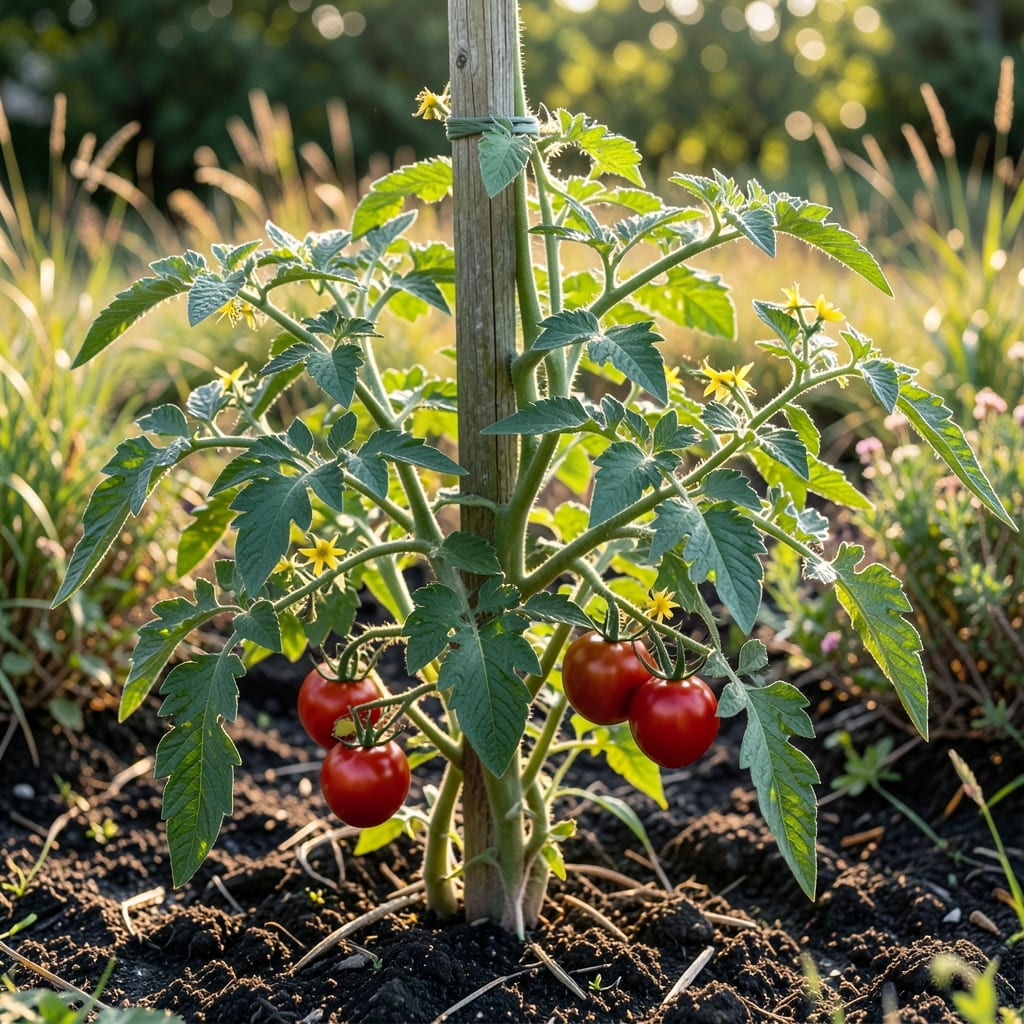
If you're dreaming of juicy beefsteak tomatoes but wondering how tall do beefsteak tomato plants grow, here's the truth: these giants can reach 4 to 6 feet tall—and that's before you even think about trellising! The height difference between varieties is what makes planning your garden layout so crucial.
Picture this: one year you're harvesting heirloom beefsteaks from towering vines, while next season your compact varieties barely need staking. That's the beauty of beefsteak tomatoes—some stay manageable while others demand serious vertical space. Understanding these growth patterns isn't just about aesthetics; it directly impacts your yield and how much room you'll need to give each plant.
What most gardeners don't realize is that proper support isn't just for tall varieties—even determinate beefsteaks benefit from light trellising. I'll show you exactly how to work with your plants' natural growth tendencies to maximize both space and production, whether you're dealing with 6-foot vines or more compact varieties.
From choosing the right variety for your space to mastering pruning techniques that keep plants at their ideal height, we'll cover everything you need to know. Let's dive into how to grow beefsteak tomatoes that thrive—without taking over your garden!

Beefsteak tomato height ranges by variety: from determinate to indeterminate
When planning your beefsteak tomato garden, the first question I ask myself is: how tall will these plants actually grow? The answer varies dramatically between determinate and indeterminate varieties, with heights ranging from compact 3-foot bushes to towering 6-foot vines. This distinction isn't just about aesthetics—it directly impacts your garden layout, support needs, and even yield potential.
Determinate beefsteak varieties like 'Big Beef' typically max out around 3 to 4 feet, making them ideal for container growing or small-space gardens. Meanwhile, heirloom indeterminate varieties such as 'Brandywine' can easily reach 6 feet or more without proper support. Understanding these differences helps me plan vertical space and choose the right trellising system before planting.
Here's what I've learned about the most popular beefsteak varieties and their mature heights:
| Variety | Type | Mature Height | Notes |
|---|---|---|---|
| Brandywine | Indeterminate | 5-8 ft | Classic heirloom needing strong trellis |
| Cherokee Purple | Indeterminate | 6-10 ft | Deep purple fruit, vigorous grower |
| Big Beef | Determinate | 3-4 ft | Great for containers, early producer |
| Black Krim | Indeterminate | 5-7 ft | Disease-resistant, dark green fruit |
| Mountain Merit | Indeterminate | 4-6 ft | Disease-resistant, reliable producer |
The key difference between these varieties lies in their growth habits. Determinate varieties grow to a specific height and then produce fruit all at once, making them perfect for bush-style planting. Indeterminate varieties, on the other hand, continue growing and producing fruit throughout the season—hence their need for vertical support.
For my own garden, I've found that indeterminate varieties like 'Brandywine' produce larger individual fruits but require more maintenance and space. The trade-off is worth it for me because those 1-pound beefsteak tomatoes are unbeatable in flavor. However, I always pair them with a sturdy trellis system to manage their height and prevent sprawling.
What surprises many new gardeners is how quickly these plants grow. In just 6-8 weeks from transplanting, indeterminate varieties can reach their full height potential. That's why I recommend installing trellises early—before the plants get too heavy—and using strong ties to support the main stems and fruit clusters.
If you're working with limited space, consider semi-determinate varieties that offer a middle ground. These typically grow 4-5 feet tall and produce fruit over an extended period without becoming as unruly as full indeterminate varieties. The 'Solar Fire' variety is one of my favorites for this purpose.
Remember that these height ranges are averages—your actual plant height may vary based on growing conditions, pruning practices, and soil fertility. The good news is that with proper care, even 6-foot-tall beefsteak plants can thrive in containers or vertical gardens, making them accessible to urban gardeners with limited space.
How to control beefsteak tomato height: pruning, trellising, and support tips
Once you've chosen your beefsteak tomato varieties, the next question becomes: how do I manage their height? The key lies in understanding that indeterminate varieties like 'Brandywine' can easily reach 6-8 feet without intervention, while determinate types like 'Big Beef' stay more compact. My approach focuses on three main strategies: pruning, trellising, and support systems—each playing a crucial role in controlling plant height while maximizing yield.
For indeterminate varieties, I start pruning when plants reach about 3 feet tall. This involves removing suckers (the small shoots that form in the leaf axils) to redirect energy toward fewer, larger fruits. I've found that keeping just 2-3 main stems produces beefsteak tomatoes that are 20-30% larger than unpruned plants, even though the overall plant height remains more manageable.
Here's my step-by-step approach to managing beefsteak tomato height:
- 1 Install trellis early: Set up your support system when plants are 1-2 feet tall. I use 6-foot wooden stakes for indeterminate varieties and 4-foot cages for determinate types.
- 2 Prune suckers weekly: Remove suckers when they're 2-3 inches long using clean pruners. This prevents energy drain and keeps plants at optimal height for your space.
- 3 Train vines upward: Gently tie main stems to the trellis using soft plant ties every 12 inches. This prevents sprawling and creates better air circulation.
- 4 Top plants at desired height: For 6-foot varieties, I stop vertical growth at 5 feet to prevent overcrowding. Simply pinch off the top growth when you reach your target height.
- 5 Harvest regularly: Removing ripe tomatoes 2-3 times weekly encourages continuous growth and prevents plants from becoming top-heavy, which can cause them to flop.
The type of trellis you choose makes a surprising difference in managing height. For indeterminate varieties, I recommend strong wooden stakes or heavy-duty tomato cages that can support 10+ pounds of fruit. The 'Cherokee Purple' variety, for example, can produce 20-pound tomatoes—so your support system needs to be robust! For determinate types, simple 4-foot cages work perfectly.
One common mistake I see is waiting too long to install trellises. When beefsteak plants reach 4 feet tall without support, their stems become top-heavy and prone to snapping. I always install my trellis system when plants are just 1-2 feet tall—this gives the vines something to climb immediately and prevents sprawling. The result? Plants grow 30% straighter and produce fruit that's easier to reach.
For container growers, vertical space becomes even more critical. I've successfully grown 6-foot-tall 'Brandywine' plants in 5-gallon pots using wall-mounted trellises. The secret is using a high-quality potting mix with 30% compost and fertilizing every 2 weeks during the growing season. This approach lets me grow beefsteak tomatoes on my balcony without sacrificing height or yield.
Remember that proper support isn't just about height control—it's also about disease prevention. When plants sprawl on the ground, they're more susceptible to blight and rot. By keeping vines elevated and well-spaced, you create better air circulation that reduces fungal risks. This is especially important for heirloom varieties like 'Black Krim', which are more prone to disease.