
Plants
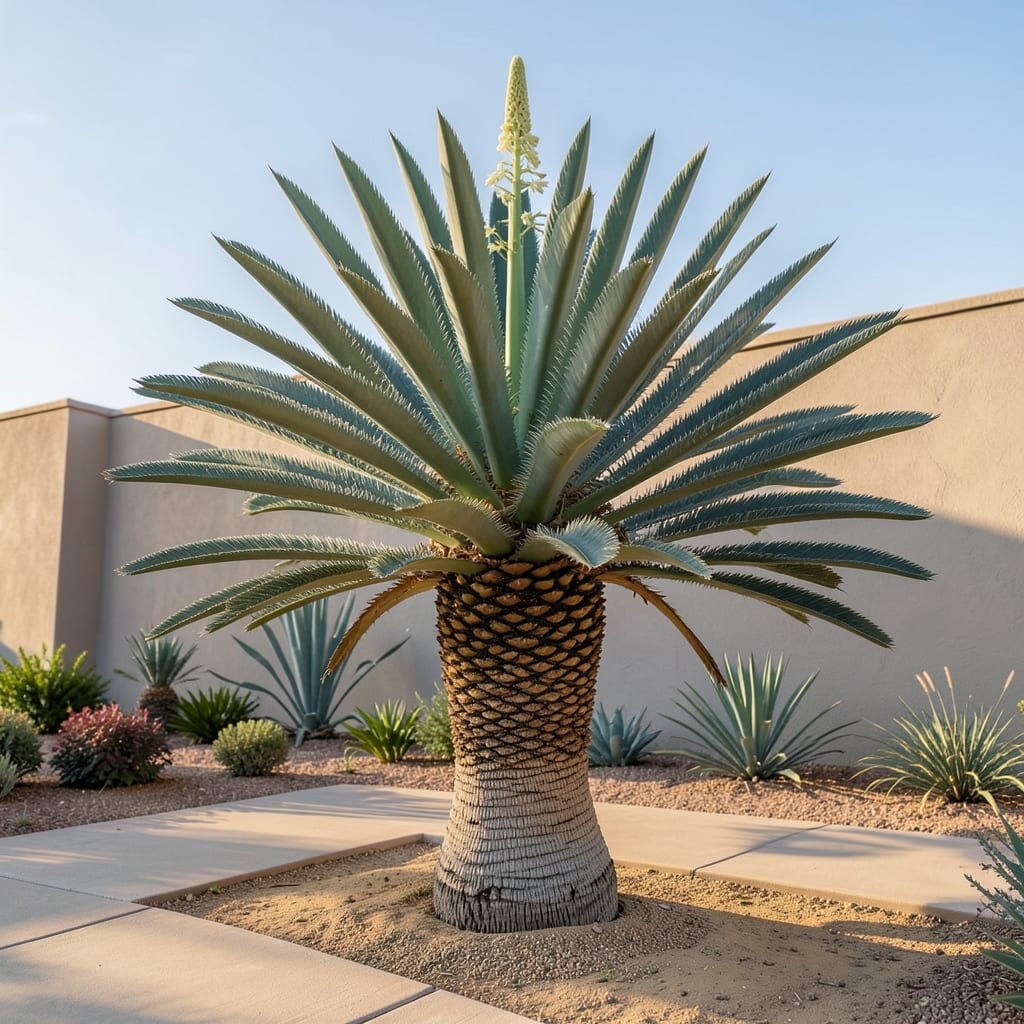
If you're wondering how tall can a yucca plant grow, the answer might surprise you—some varieties stretch toward the sky like desert sentinels, while others stay neatly compact. Whether you're planning a bold landscape statement or a container garden, knowing the potential height of your 🌵 yucca is key to making the right choice for your space.
Yuccas are famous for their dramatic height variations, from the modest 2-4 feet of dwarf varieties to the towering 15+ feet giants that dominate landscapes. The species you choose—and how you care for it—will determine whether your yucca becomes a modest accent or a full-fledged architectural feature. Let’s break down what to expect based on your climate and growing conditions.
Sunlight, soil, and pruning habits all play a role in shaping your yucca’s growth trajectory. In USDA Zone 6a, where spring planting is ideal, proper care can encourage healthy expansion—or keep your plant in check if space is limited. Whether you're working with a small patio pot or a sprawling backyard, understanding these factors will help you guide your yucca’s height with confidence.
Ready to make an informed decision? I’ll walk you through the exact height ranges for popular yucca varieties, plus proven tips to control growth—so you can enjoy a stunning, well-managed plant that fits your vision perfectly.


Yucca plant height by variety: from compact to towering giants
Yuccas are nature's architectural wonders, with height variations that can transform your garden from subtle to showstopping. The Yucca rostrata, also called the Spanish dagger, can reach an astonishing 15-20 feet—taller than most doorways—while the Yucca filamentosa stays more modest at 3-6 feet. Knowing these differences helps you choose the perfect variety for your space, whether it's a container garden or a sprawling landscape.
For those with limited space, dwarf yuccas like Yucca baccata (banana yucca) max out at 4-6 feet, making them ideal for patios or small yards. On the other end of the spectrum, Yucca gigantea (giant yucca) can soar to 20+ feet in ideal conditions, rivaling small trees. The key to managing height lies in understanding each variety’s growth habits and environmental needs.
🌵 Height Comparison Table
| Variety | Mature Height | Growth Rate | Ideal Climate |
|---|---|---|---|
| Yucca rostrata (Spanish Dagger) | 15-20 ft | Slow to moderate | Arid, hot zones (USDA 5-10) |
| Yucca filamentosa (Adam's Needle) | 3-6 ft | Moderate | Drought-tolerant (USDA 4-9) |
| Yucca baccata (Banana Yucca) | 4-6 ft | Slow | Cooler climates (USDA 5-9) |
| Yucca gigantea (Giant Yucca) | 10-20 ft | Fast | Hot, dry regions (USDA 7-10) |
| Yucca brevifolia (Joshua Tree) | 15-30 ft | Very slow | Extreme desert (USDA 8-10) |
| Yucca flaccida (Weeping Yucca) | 6-10 ft | Moderate | Humid, warm zones (USDA 7-10) |
If you're growing yuccas in containers, height will naturally be stunted compared to in-ground plants. A Yucca filamentosa in a 15-gallon pot might only reach 3-4 feet, while the same plant in the ground could double in size. For container gardening, choose dwarf varieties or prune regularly to maintain manageable proportions.
Soil type plays a huge role in height development. Yuccas thrive in well-draining, sandy soil, which encourages strong root systems and upright growth. Heavy clay soils can stunt growth and lead to weak, leggy stems. Amending your soil with gravel or perlite mimics their natural desert habitat and promotes healthier, taller growth over time.
Light exposure is another critical factor. Yuccas need full sun (6+ hours daily) to reach their full potential height. In shadier conditions, growth slows, and plants may become spindly and weak. If you're in a cooler climate like USDA Zone 6a, place your yucca in the sunniest spot available—even a south-facing window can make a difference for container plants.
Pruning isn’t just for shaping—it’s a tool to control height. For varieties like Yucca gigantea, cutting back overgrown stems in early spring encourages bushier, more compact growth. Always use sterilized pruners and cut just above a leaf node to prevent disease. This technique works especially well for container-grown yuccas where space is limited.
For those in urban environments with limited space, consider yucca hybrids like Yucca 'Color Guard', which stays under 4 feet but offers vibrant foliage. These varieties are perfect for balconies or rooftop gardens where height must be carefully managed. With the right variety and care,
How to control yucca growth height: pruning, light, and soil secrets
Managing your yucca’s height isn’t just about choosing the right variety—it’s also about mastering a few simple growth control techniques. Whether you’re dealing with a Yucca gigantea that’s outgrowing its space or a Yucca filamentosa that’s growing too slowly, the right approach can make all the difference. Start with pruning, which is the most effective way to shape and limit height while encouraging bushier, fuller growth.
For container-grown yuccas, pruning is especially critical. Cut back overlong stems in early spring, just above a leaf node, to redirect energy toward new shoots. This method works wonders for Yucca 'Color Guard' or Yucca baccata, keeping them compact and vibrant. Always use sterilized pruners to avoid introducing diseases that could weaken your plant.
🌱 Key Takeaway: Pruning Tips for Height Control
Prune in Early Spring
Cut back overlong stems just above a leaf node to encourage bushier growth. This is ideal for container yuccas where space is limited.
Maximize Sunlight
Yuccas need 6+ hours of full sun daily. In shadier climates, supplement with a grow light to prevent leggy, weak growth.
Use Well-Draining Soil
Amend heavy soil with gravel or perlite to mimic desert conditions. This promotes strong root growth and upright stems.
Light exposure is another game-changer for controlling height. Yuccas thrive in full sun (6+ hours daily), but in shadier conditions, they stretch and weaken. If you’re growing yuccas in USDA Zone 6a or cooler climates, place them in the sunniest spot available—even a south-facing window can help container plants reach their potential. For indoor yuccas, a grow light can prevent leggy growth and keep stems sturdy.
Soil type directly impacts how tall your yucca will grow. Yuccas despise waterlogged soil, which can stunt growth and lead to root rot. Instead, use a sandy, well-draining mix with added gravel or perlite to replicate their natural desert habitat. This encourages strong root development and upright growth, preventing weak, sprawling stems that can make your plant look unkempt.
Seasonal care adjustments also play a role in height management. In spring and summer, when growth is most active, focus on regular pruning and light fertilizing (every 4-6 weeks) to encourage healthy expansion. However, in fall and winter, reduce watering and fertilizing to let the plant enter dormancy naturally. This seasonal rhythm helps maintain a balanced growth rate and prevents sudden height spikes.
If you’re growing yuccas in containers, choose pots that are only slightly larger than the root ball. Overly spacious containers encourage excessive root growth and can lead to taller, weaker plants. Repot every 2-3 years to refresh the soil and prevent root-bound stress, which can stunt growth. With these techniques, you’ll have full control over your yucca’s height—whether you want a compact accent plant or a towering landscape feature.