
Size
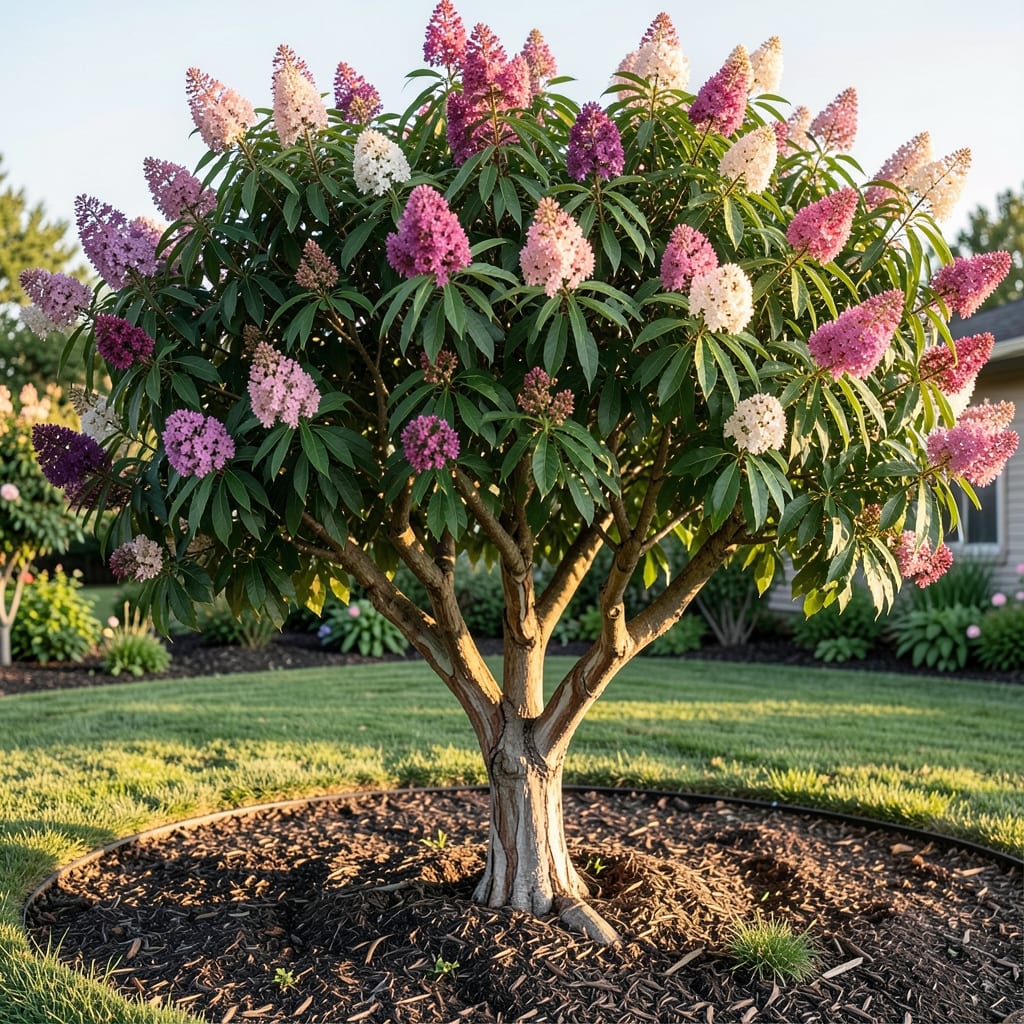
Wondering if that stunning 🌸 crepe myrtle they grow how tall will stretch your yard into a jungle? The answer depends entirely on the variety you choose—because these beauties can range from compact 6-foot shrubs to towering 30-foot giants that steal the show in any landscape.
If you’re working with limited space in USDA Zone 6a, dwarf varieties are your best bet for keeping things manageable without sacrificing those show-stopping blooms. But if you’re planting for drama and have the room, standard types can become the backbone of your outdoor space—just be prepared for some serious vertical real estate.
The good news? Height isn’t just about genetics—soil quality, sunlight exposure, and pruning habits all play a role in shaping how tall (or short) your crepe myrtle grows. Let’s break down what you need to know to pick the perfect size for your garden and keep it thriving for years.
From spacing recommendations to pruning secrets, I’ll show you how to get the height you want—whether that means a neat 10-foot border plant or a 30-foot statement tree that turns heads. Ready to make the right choice for your space?


Crepe myrtle height by variety: from dwarf to giant trees
Crepe myrtles aren’t one-size-fits-all—some stay as 6-foot shrubs perfect for foundation plantings, while others reach 30 feet like majestic backyard trees. The variety you choose determines whether your crepe myrtle stays manageable or becomes a landscape centerpiece. Let’s explore the most popular types and their mature heights to help you pick the perfect fit for your space.
Dwarf varieties like 'Arapaho' or 'Tonto' top out at 6-10 feet, making them ideal for small yards or urban gardens. These compact beauties still deliver vibrant summer blooms without overwhelming your outdoor space. On the opposite end, standard varieties like 'Natchez' or 'Muskogee' can soar to 20-30 feet, creating a dramatic focal point for large properties.
Here’s how to choose based on your yard’s scale and style:
| Variety | Mature Height | Best For | USDA Zones |
|---|---|---|---|
| 'Arapaho' | 6-8 ft | Small yards, borders | 6-9 |
| 'Tonto' | 6-10 ft | Urban gardens, containers | 6-9 |
| 'Rapid Fire' | 10-12 ft | Medium spaces, privacy screens | 6-10 |
| 'Natchez' | 20-30 ft | Large yards, statement trees | 6-9 |
| 'Muskogee' | 20-25 ft | Backyard focal points | 6-9 |
| 'Catawba' | 20-25 ft | Shade trees, large landscapes | 6-9 |
| 'Tuscarora' | 20-25 ft | Wildlife-friendly gardens | 6-9 |
| 'Sioux' | 20-30 ft | Drought-resistant landscapes | 6-9 |
| 'Yankee Doodle' | 15-20 ft | Medium yards, mixed borders | 6-9 |
| 'Caddo' | 20-25 ft | Southern climates, heat tolerance | 7-10 |
If you’re planting near power lines or sidewalks, stick to dwarf or semi-dwarf varieties to avoid future conflicts. For example, 'Arapaho' stays well under 10 feet, making it perfect for tight spaces, while 'Natchez' needs 20+ feet of clearance to thrive without obstruction.
Color also plays a role in variety selection. Pink, purple, and white blooms are common across all heights, but some varieties—like 'Sioux'—offer deep red flowers that stand out against their towering stature. Consider how the bloom color will complement your landscape palette when choosing a height.
Pro tip: Check the growth rate of your chosen variety. Some, like 'Rapid Fire', grow 2-3 feet per year, while others like 'Natchez' may take 5+ years to reach maturity. Plan accordingly if you’re impatient for those summer blooms!
For container gardening, dwarf varieties are your best bet. Even 'Tonto' can thrive in large pots, allowing you to move it around your patio or balcony. Just ensure the container is at least 18 inches wide and has drainage holes to prevent root rot.
Remember, these heights are mature estimates—proper pruning and care can adjust growth patterns. In the next section, I’ll show you how to control height through strategic pruning, whether you want a neat 10-foot shrub or a 30-foot giant.
How to control crepe myrtle height: pruning tips for different goals
Pruning isn’t just about keeping your crepe myrtle looking neat—it’s the secret weapon for controlling its height. Whether you want a compact 8-foot shrub or a 25-foot statement tree, strategic pruning can shape your plant’s growth pattern. The key is timing, technique, and knowing which branches to target. Let’s dive into how to prune for your specific height goals.
Most gardeners make one critical mistake: pruning at the wrong time of year. Late winter or early spring—just before new growth begins—is the ideal window for shaping crepe myrtles. Avoid heavy pruning in fall or winter, as this can leave your plant vulnerable to cold damage and disease. Think of it like giving your tree a haircut before summer.
Here’s my step-by-step guide to pruning for height control, tailored to your goals:
- 1 Assess your goal: Do you want a taller tree or a shorter shrub? Taller goals require minimal pruning, while shorter goals need aggressive cutting.
- 2 Remove dead/diseased wood: Always start by cutting out dead branches or those with peeling bark. This keeps your plant healthy and prevents pests.
- 3 Shape for height: For shorter plants, cut back 1/3 of the tallest branches to the nearest bud. For taller plants, focus on removing lower branches to create a clean trunk.
- 4 Thin the canopy: Remove crossing branches or those growing inward. This improves airflow and prevents disease while maintaining an open, airy look.
- 5 Clean up: Sterilize your tools with rubbing alcohol between cuts to prevent spreading disease. Remove all pruned branches from the area.
If you’re growing a dwarf variety like 'Arapaho', you’ll want to prune lightly to maintain its 6-8 foot height. Focus on shaping rather than drastic cuts. For standard varieties like 'Natchez', prune selectively to encourage upward growth while keeping the lower trunk clear of branches.
Avoid the common mistake of pruning too late in the season. Heavy pruning after mid-summer can stunt new growth and reduce next year’s blooms. Instead, plan your pruning for late winter or early spring—just as buds begin to swell.
For container-grown crepe myrtles, pruning is even more critical. Since roots are confined, you’ll need to prune more aggressively to control height. Use sharp, clean shears and avoid over-pruning, which can stress the plant. A light annual trim keeps containers manageable while encouraging healthy blooms.
Remember, crepe myrtles bloom on new wood, so pruning in late winter won’t affect this year’s flowers. The trade-off? You’ll get a neater shape and better control over height for next season’s growth. With the right approach, you can shape your crepe myrtle into exactly the size you envisioned—whether that’s a 6-foot shrub or a 30-foot giant.