
Flowers
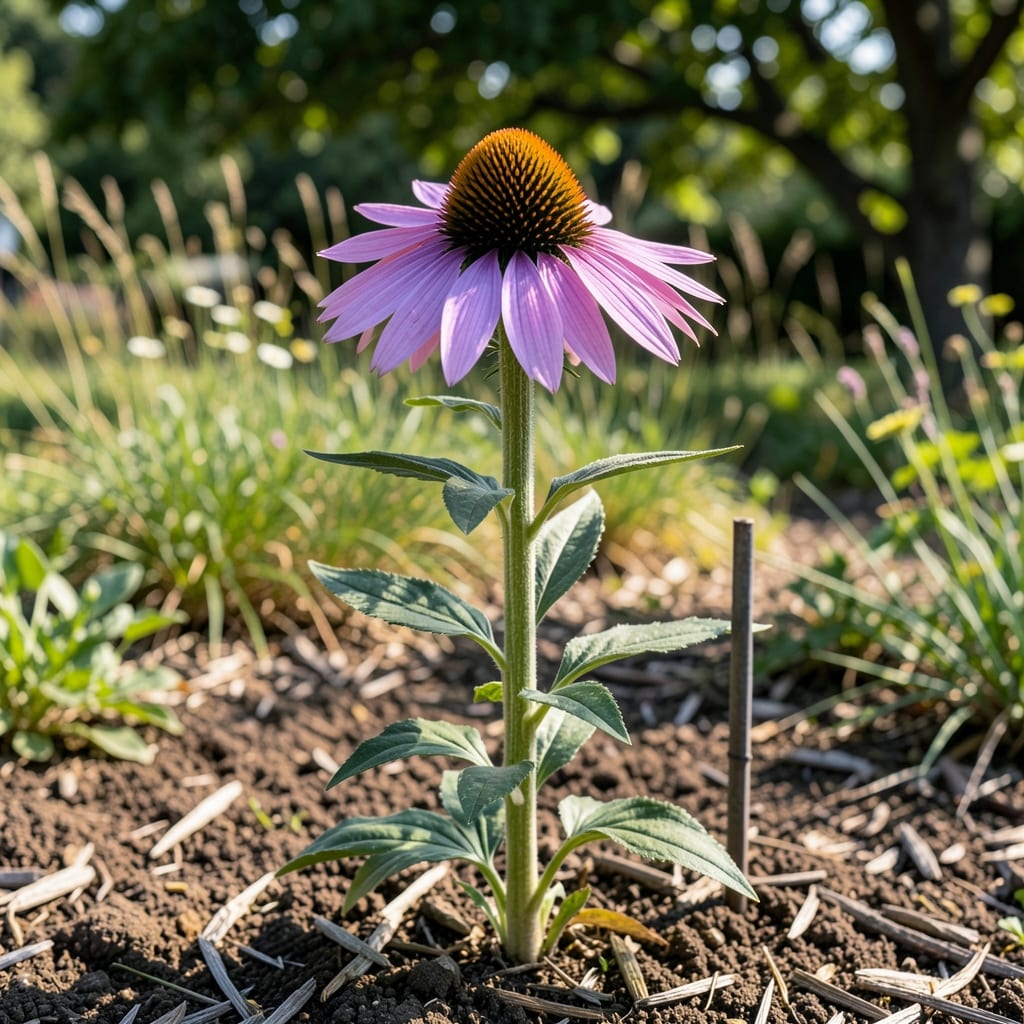
Curious about echinacea how tall do they grow? The answer could change how you plan your garden layout—because these vibrant blooms range from 2-foot dwarfs to towering 5-foot giants, depending on the variety you choose.
If you're imagining a neat, low-border look, some varieties like 'White Swan' stay compact, while others like 'Green Envy' reach nearly waist-high. This height difference isn't just about aesthetics—it affects sunlight exposure, spacing needs, and even how you prune for those stunning summer blooms.
Understanding your echinacea's mature size helps you avoid overcrowding or underutilized space. Whether you're designing a pollinator-friendly meadow or a tidy cottage garden, knowing these height ranges lets you place them strategically for maximum impact.
Let's break down exactly what to expect from each variety and how to keep them thriving at their ideal height—so you can create the perfect backdrop for your garden vision.

Echinacea variety heights: from dwarf to giant bloomers
If you're planning your garden layout, knowing echinacea how tall do they grow is crucial—especially when choosing between dwarf varieties for borders and tall hybrids for statement pieces. The height range spans from 18 inches to over 5 feet, with growth habits varying by cultivar. Let's explore the most popular types and their mature heights to help you pick the perfect fit for your space.
For compact gardens or container growing, dwarf echinacea like 'White Swan' (2-3 ft) or 'Little Magenta' (1.5-2 ft) are ideal. These stay low enough for front-of-border planting while still attracting pollinators. Meanwhile, tall varieties like 'Green Envy' (5-6 ft) or 'Hot Papaya' (4-5 ft) make dramatic backdrop plants that catch sunlight from a distance.
Here's where height matters most: spacing requirements increase with stature. A 3-foot variety needs at least 18-24 inches between plants, while 5-foot giants should have 30+ inches to prevent overcrowding. Proper spacing ensures better airflow (reducing fungal risks) and full bloom potential by preventing competition for nutrients.
Now, let's compare the most popular varieties with their mature heights, growth habits, and ideal spacing to help you visualize their impact in your garden.
| Variety | Mature Height | Spread | Growth Habit | Spacing Needs |
|---|---|---|---|---|
| 'White Swan' | 2-3 ft | 1.5-2 ft | Upright, clumping | 18-24 in |
| 'Little Magenta' | 1.5-2 ft | 1-1.5 ft | Compact, bushy | 12-18 in |
| 'Green Envy' | 5-6 ft | 2-3 ft | Tall, sturdy stems | 30+ in |
| 'Hot Papaya' | 4-5 ft | 2-2.5 ft | Upright, branching | 24-30 in |
| 'Magnus' | 4-5 ft | 2-2.5 ft | Bold, dome-shaped | 24-30 in |
| 'Kim's Knee High' | 2-3 ft | 1.5-2 ft | Neat, tidy clumps | 18-24 in |
🌼 Pro Tip: Taller varieties often produce larger blooms but may need staking in windy areas.
When selecting varieties, consider your garden's sunlight exposure—taller echinacea thrive in full sun (6+ hours daily), while dwarf types can tolerate partial shade (4-6 hours). If you're in a hot, dry climate, taller varieties may need extra mulch to retain moisture in their deeper root zones.
Another factor influencing height is pruning practices. Regular deadheading (removing spent blooms) encourages second flushes of flowers but can slightly reduce overall plant height. For maximum height potential, avoid heavy pruning in the first year—let the plant establish its root system
How to control echinacea height for your garden layout
Once you've chosen your echinacea varieties, managing their height becomes key to maintaining a balanced garden design. Taller types like 'Green Envy' can easily overwhelm smaller perennials if left unchecked, while dwarf varieties might need occasional pruning to encourage bushier growth. The good news? With simple techniques, you can guide their height to fit your vision—whether that's a neat cottage border or a dramatic pollinator meadow.
Start with proper spacing at planting time—this is the foundation of height control. For tall varieties (4+ ft), give them 30+ inches between plants to prevent overcrowding, which forces them to compete for sunlight and nutrients. In tight spaces, consider container growing for dwarf types like 'Little Magenta'—their compact size makes them perfect for patio pots or window boxes.
Here’s where pruning comes in: Regular deadheading (snipping off spent blooms) encourages second flushes of flowers but can slightly reduce overall height. For maximum height potential, avoid heavy pruning in the first year—let the plant focus on root establishment. In subsequent years, trim back 1/3 of the stems after blooming to maintain shape and prevent legginess.
🌱 Pruning Tip:
- Use clean, sharp shears to avoid damaging stems.
- Trim just above a leaf node to encourage branching.
- For tall varieties, consider staking in windy areas.
- Avoid pruning in fall or winter—let foliage die back naturally.
Another clever trick is companion planting. Pair tall echinacea with low-growing perennials like salvia or lavender to create visual layers. This not only controls height visually but also improves pollinator traffic by offering varied heights for bees and butterflies. For container gardens, mix dwarf echinacea with trailing plants like sweet potato vine to fill space without sacrificing height control.
If your echinacea starts to flop or sprawl, it’s often a sign of overcrowding or poor support. Add bamboo stakes or decorative rings around taller stems to keep them upright. This is especially useful in windy climates where stems can bend under pressure. Remember, height control isn’t about stunting growth—it’s about guiding it to create a garden that thrives both visually and functionally.
Finally, monitor your plants’ growth habits throughout the season. If you notice excessive legginess, it may indicate insufficient sunlight—echinacea needs 6+ hours of full sun daily to reach their full height potential. Adjust their placement if needed, and watch as they respond with stronger, more compact growth.