
How To
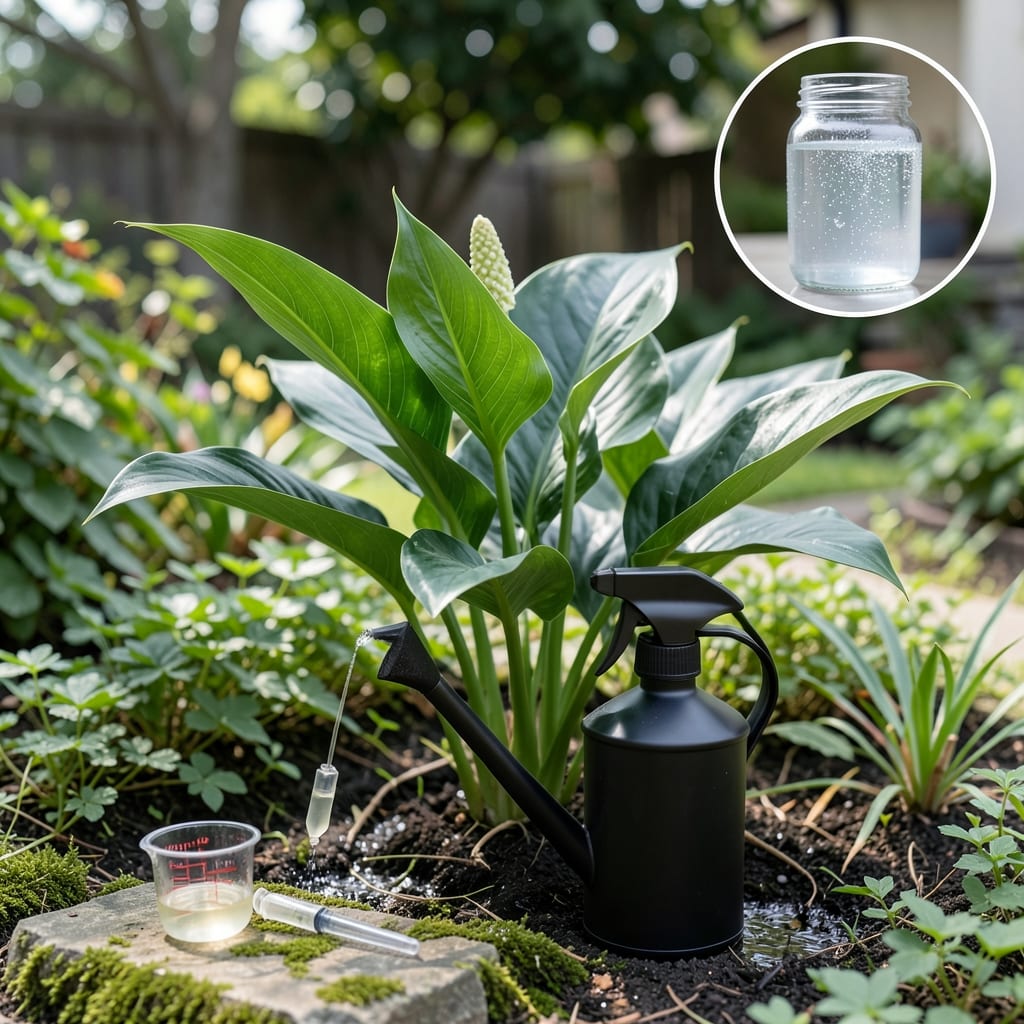
Safe hydrogen peroxide dilution ratios for plant watering
Hydrogen peroxide is a powerful yet gentle solution for boosting plant health when used correctly. The key lies in proper dilution—too much can damage roots, while too little won’t deliver benefits. For most plants, a 3% hydrogen peroxide solution is the safest starting point, but dilution ratios vary based on plant type and treatment goals.
For general watering or soil sterilization, aim for a 1% dilution (about 1 tablespoon per gallon of water). This concentration provides enough oxygen to roots while preventing bacterial buildup. However, foliar sprays or treatments for fungal infections require a 0.5% solution (about 1 teaspoon per gallon) to avoid leaf burn.
Always use food-grade 3% hydrogen peroxide—never higher concentrations or non-food-grade versions. The 3% strength is the standard for gardening because it’s strong enough to kill pathogens but safe when diluted properly. Store-bought 35% medical-grade hydrogen peroxide is far too potent and should never be used directly on plants.
| Use Case | Dilution Ratio | Frequency | Best For |
|---|---|---|---|
| Root Health Boost | 1 tbsp per gallon (1%) | Every 2 weeks | Vegetables, herbs, seedlings |
| Fungal Treatment | 1 tsp per gallon (0.5%) | Weekly (until cleared) | Houseplants, roses, tomatoes |
| Soil Sterilization | 1 tbsp per gallon (1%) | Monthly (pre-planting) | Seedlings, cuttings, potting mix |
| Foliar Spray | 1 tsp per gallon (0.5%) | Bi-weekly (early morning) | Leafy greens, succulents, ferns |
When using hydrogen peroxide for watering, always let the solution sit for 24 hours before applying to plants. This allows the bubbles to dissipate, preventing oxygen shock to roots. For foliar sprays, apply in the early morning to give leaves time to dry and avoid fungal growth from prolonged moisture.
Delicate plants like orchids, ferns, and succulents require even more caution. Start with a 0.25% dilution (¼ teaspoon per gallon) and monitor for any signs of stress, such as yellowing leaves or wilting. If you notice these symptoms, flush the soil with plain water immediately and reduce future concentrations.
For container gardens, hydrogen peroxide is especially useful because it oxygenates compacted soil. Mix 1 tablespoon per gallon into your watering can and use it every 2-3 weeks during the growing season. This helps prevent root rot in crowded pots where drainage is limited.
Always test your dilution on a small batch of plants first. Observe for 24-48 hours to ensure there’s no adverse reaction. If your plants show signs of leaf scorch or stunted growth, the concentration was too high. Adjust downward and retry with a weaker solution.
Store your hydrogen peroxide solution in a dark, airtight container away from direct sunlight. The solution loses potency over time, so use it within 3-5 days of mixing. For long-term storage, keep the undiluted 3% hydrogen peroxide in its original bottle and mix fresh batches as needed.
Remember, hydrogen peroxide is a supplement, not a replacement for proper watering and drainage. Use it as part of a comprehensive plant care routine, not as a quick fix. When combined with good soil health and proper spacing, it can significantly improve your plants' resilience and growth.
Safe hydrogen peroxide dilution ratios for plant watering
Hydrogen peroxide isn’t just for cleaning wounds—it’s a powerful plant ally when used correctly. The key lies in dilution. Pure hydrogen peroxide (3%) can burn roots or bleach leaves, but the right concentration oxygenates soil, sterilizes water, and even boosts root growth. Always start with food-grade 3% hydrogen peroxide from a trusted source to avoid contaminants.
For most plants, a 1 tsp per gallon (or 30 mL per 3.8L) dilution is your sweet spot. This low concentration mimics natural oxygen levels in soil while eliminating harmful bacteria and fungi. Think of it as a gentle detox for your plant’s water supply. Use it once every 2-4 weeks for maintenance or immediately when you spot signs of root rot or stagnant water.
For sensitive plants like orchids, succulents, or seedlings, halve the dose to ½ tsp per gallon. These plants have delicate root systems that can’t handle even mild stress. Always test a small area first—if leaves yellow or crisp within 24 hours, the concentration is too high.
🌱 Pro Tip: Mix your solution in a clean spray bottle or watering can labeled "H₂O₂ Mix" to avoid confusion. Never reuse leftover diluted hydrogen peroxide—oxidation weakens its effectiveness within 24 hours. Always prepare fresh for each use.
🌱 Hydrogen Peroxide Dilution Guide
| Plant Type | Dilution Ratio | Frequency | Best For |
|---|---|---|---|
| Vegetables (tomatoes, peppers) | 1 tsp per gallon | Every 2 weeks | Fungal prevention |
| Herbs (basil, mint) | ½ tsp per gallon | Every 3 weeks | Root health |
| Succulents/Orchids | ¼ tsp per gallon | Monthly | Gentle sterilization |
| Houseplants (pothos, snake plant) | 1 tsp per gallon | Every 4 weeks | Water sterilization |
Never use hydrogen peroxide as a primary water source—always mix it with tap or distilled water (1:1 ratio). This ensures your plants get both oxygen and hydration. For hydroponic systems, reduce to ¼ tsp per gallon to avoid root damage from over-oxidation. Always rinse soil with plain water 24 hours after treatment to flush out excess.
If your plants are already stressed (wilting, yellowing, or showing fungal spots), combine the hydrogen peroxide treatment with a weekly foliar spray of the same dilution. This double-action approach targets both roots and leaves, giving your plants a full-system boost. Just avoid spraying direct sunlight—always apply in the early morning or evening to prevent leaf burn.
💧 Remember: Hydrogen peroxide loses potency quickly—mix fresh for each use. Store your 3% solution in a cool, dark place (like a pantry) and label it clearly to avoid accidents. With the right dilution, you’ll see healthier roots, fewer fungal issues, and even faster growth—without the harsh chemicals.