
Plants
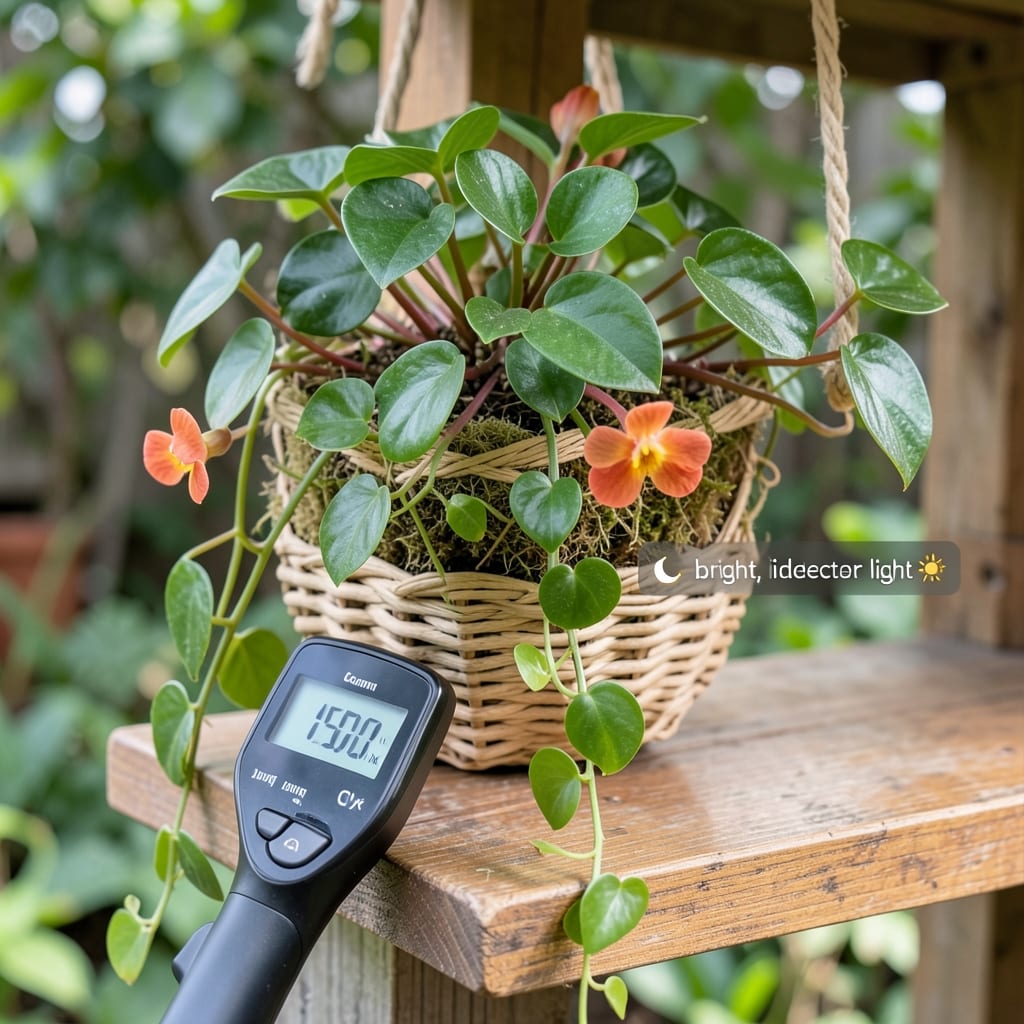
How much light does a goldfish plant need to thrive? If your 🐟 plant is looking pale or stretched out, the answer might surprise you—it’s not as simple as "more is better." Goldfish plants (Nematanthus gregarius) are finicky about light, and getting it wrong can mean the difference between lush, vibrant leaves and sad, leggy stems.
Most plant owners assume bright light equals happy plants, but goldfish plants actually prefer bright indirect sunlight, like the dappled shade of an east-facing window. Too much direct sun can scorch those delicate leaves, while too little leaves them weak and sparse. The key is finding that sweet spot where your plant gets enough light to photosynthesize without getting stressed.
In this guide, I’ll break down exactly how many hours of light your goldfish plant needs—whether you’re dealing with a low-light apartment or a sunroom with too much intensity. You’ll also learn how to spot signs of light stress and adjust care as the seasons change. Let’s get your 🐟 plant glowing with healthy growth!
From placing your plant near the perfect window to using grow lights when natural light falls short, I’ve got all the practical tips to keep your goldfish plant happy year-round. Ready to transform those sad stems into a thriving, colorful display?

Goldfish plant light requirements: the perfect balance for healthy growth
The goldfish plant (Columnea microphylla) thrives in bright indirect light, making it a perfect choice for homes with filtered sunlight. Unlike sun-loving plants, it avoids harsh afternoon rays that can scorch delicate leaves. Think of it as the Goldilocks of houseplants—not too dark, not too bright, but just right.
Native to Brazil's cloud forests, this plant evolved to handle dappled sunlight filtering through trees. In your home, this translates to 4-6 hours of bright, indirect light daily. Too little light leads to leggy stems and sparse blooms, while too much causes brown leaf tips and crispy edges. Finding that sweet spot is key to those iconic goldfish-shaped leaves.
Here’s how to visualize ideal light conditions: Imagine standing 2-3 feet from an east-facing window where morning sun streams gently. South-facing windows work too, but only if you use a sheer curtain to diffuse intensity. West-facing windows? Avoid them—the afternoon sun is too harsh for this tropical beauty.
Seasonal changes affect light intensity, so your goldfish plant’s needs shift with the sun. During winter months, when sunlight is weaker, move your plant closer to the window (within 1-2 feet). In summer, when UV rays intensify, increase the distance to 3-4 feet or add a light-colored curtain to prevent overheating.
Pro tip: Rotate your plant quarter-turn weekly to ensure even light exposure. This prevents one side from becoming lopsided or pale while the other etiolates (stretches) toward the light source. Think of it as giving your plant a gentle sunbath on all sides!
For those without ideal windows, grow lights are a game-changer. A 12-inch LED grow light placed 6-12 inches above your plant mimics natural sunlight perfectly. Run it for 12-14 hours daily to compensate for low-light conditions. Just avoid heat-emitting bulbs, which can dry out the soil too quickly.
Watch for these visual cues to gauge your plant’s happiness: Deep green leaves with reddish undersides signal perfect light. Pale or yellowing leaves mean it’s time to move closer to a brighter spot, while crispy edges or bleached patches scream "too much sun!" Adjust gradually—sudden changes stress the plant more than consistent conditions.
Remember, every home’s light varies. If you’re unsure about your space, do a simple shadow test: Place a white piece of paper near your plant’s usual spot. If the shadow is sharp and dark, the light is too direct. If it’s faint and blurry, you’ve found the goldfish plant’s sweet spot!
With the right light balance, your goldfish plant will reward you with year-round blooms and those signature goldfish-shaped leaves that make it a showstopper. Now go give your leafy friend the perfect light setup it deserves!
How to adjust light for goldfish plants in different home settings
Not all homes offer the perfect east-facing window for your goldfish plant, but don’t worry—there are clever ways to adapt to your space. Whether you’re in a low-light apartment or a sunroom with too much intensity, these practical solutions will keep your plant thriving. The key is understanding how to mimic its natural habitat of dappled forest sunlight.
For low-light apartments, where natural light is scarce, focus on maximizing what you have. Place your goldfish plant within 1-2 feet of the brightest window, even if it’s north-facing. Supplement with a 12-inch LED grow light placed 6-12 inches above the plant, running it for 12-14 hours daily. Avoid heat-emitting bulbs, as they dry out soil too quickly and stress the plant.
Here’s how to optimize light in different home environments:
- Use reflective surfaces (mirrors, white walls) to bounce light toward the plant.
- Rotate the plant quarter-turn weekly for even growth.
- Consider a south-facing window with sheer curtains for indirect brightness.
- Position the plant 3-4 feet from windows to diffuse intensity.
- Use light-colored curtains to filter afternoon sun.
- Avoid placing near west-facing windows—afternoon sun burns leaves.
- Provide morning sun only (3-4 hours) and afternoon shade.
- Use a 50% shade cloth in peak summer months.
- Move to a sheltered patio or under a tree canopy.
- Choose full-spectrum LED grow lights (6500K color temperature).
- Keep lights 6-12 inches above the plant for optimal coverage.
- Run lights for 12-14 hours daily to mimic daylight.
Seasonal adjustments are crucial. In winter, when sunlight is weaker, move your plant closer to the window and extend grow light hours to 14 hours daily. In summer, increase distance from windows and use light-colored curtains to prevent overheating. Even a 1-2 foot shift can make a world of difference in your plant’s health.
Pro tip: Test your light conditions with a simple shadow test. Place a white piece of paper near your plant’s spot. If the shadow is sharp and dark, the light is too direct. If it’s faint and blurry, you’ve found the perfect goldfish plant light zone. Adjust gradually—sudden changes can shock the plant more than consistent conditions.
With these adjustments, your goldfish plant will thrive in any home setting, whether you’re in a bright sunroom or a dim apartment corner. The secret? Observation and adaptation—just like its tropical ancestors in Brazil’s cloud forests. 🌿