
Companion Plants
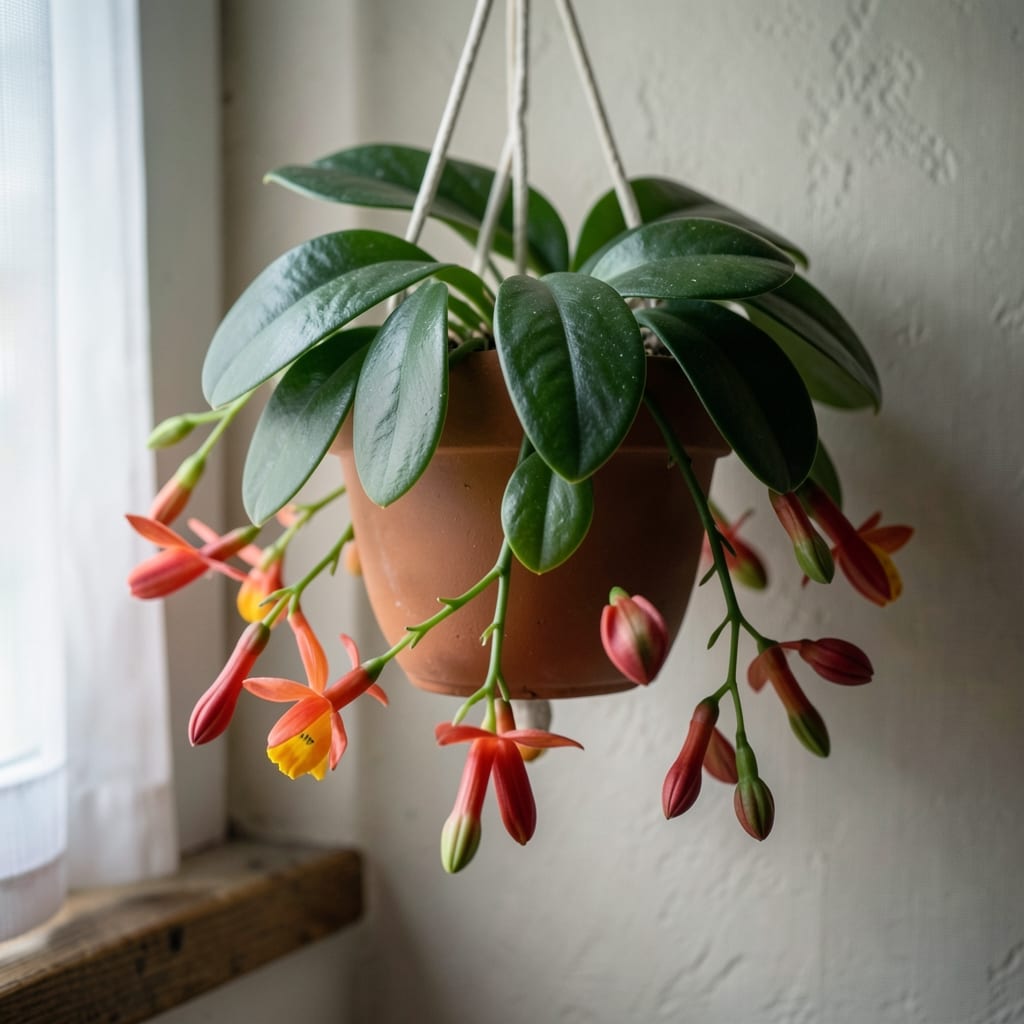
If your Lipstick Plant 🌸 is losing its vibrant red leaves or growing leggy, chances are it’s not getting how much light this plant needs. This striking plant thrives in bright, indirect sunlight—about 3-4 hours daily—but too much direct sun can scorch it, while too little dims its signature color.
Most gardeners overlook how light affects foliage plants like the Lipstick Plant, assuming they’re low-maintenance. The truth? It’s all about balance—positioning it near an east-facing window or under filtered light keeps it happy without risking leaf burn. Let’s break down exactly how to meet its needs, whether you’re growing it indoors or outdoors.
You’ll learn how to spot signs of light stress—like yellowing leaves or stretched stems—and how to adjust your setup with simple fixes. From using sheer curtains to rotating your plant for even exposure, these tweaks make a world of difference in keeping your Lipstick Plant lush and colorful year-round.
Ready to transform your plant’s health? I’ll walk you through the ideal light conditions, common mistakes to avoid, and pro tips for both indoor setups and outdoor spots. Your Lipstick Plant’s vibrant future starts with getting the lighting just right.

Ideal light requirements for a healthy lipstick plant
The lipstick plant (Kalanchoe luciae) thrives in bright, indirect light—about 3-4 hours daily. This succulent loves sunlight but needs protection from harsh rays to avoid leaf scorch. Think of it like a sunbather: enough to glow, but not enough to burn. Balancing light exposure keeps those signature red leaves vibrant and prevents leggy growth.
Direct morning sun is ideal—it’s gentle enough for 2-3 hours without risking damage. Afternoon sun, especially in summer, can be too intense, causing yellowing or crispy edges on leaves. If your plant starts stretching toward light, it’s begging for more—but not direct—sunshine. Adjust its spot gradually to avoid shocking the foliage.
Indoors, place your lipstick plant near an east-facing window for perfect light. South-facing windows work too, but use a light sheer curtain to filter the harshest rays. West-facing windows can be tricky; limit exposure to morning hours only to prevent overheating.
| Light Condition | Daily Duration | Best Time | Signs of Stress |
|---|---|---|---|
| Bright Indirect Light | 3-4 hours | Morning sun | Healthy red leaves |
| Direct Morning Sun | Up to 2 hours | 8 AM - 10 AM | No leaf burn |
| Low Light | Less than 2 hours | N/A | Leggy growth, pale leaves |
| Harsh Afternoon Sun | More than 2 hours | 12 PM - 4 PM | Brown spots, crispy edges |
Seasonal changes affect light needs too. In winter, when sunlight is weaker, your lipstick plant may need a grow light for 4-6 hours daily to maintain color. Use a full-spectrum LED bulb 12-18 inches above the plant. Rotate the pot weekly so all sides get even light, preventing uneven growth.
Outdoors, spring and fall are the sweet spots for lipstick plants. Place them in partial shade under trees or on a patio with afternoon shade. Avoid full sun—even in cooler months, intense rays can cause damage. If you notice white or yellow patches on leaves, move the plant to a shadier spot immediately.
Watch for light stress signs like stretched stems or dull foliage. These mean your plant isn’t getting enough light. Conversely, crispy edges or bleached leaves signal too much direct sun. Adjust its position gradually—never move it abruptly, or the shock can harm it more than the light issue.
For indoor growers, a south-facing window with a sheer curtain is ideal. If your home lacks natural light, supplement with a 15-watt grow light on a timer for 6 hours daily. Keep the light 6-12 inches away to avoid overheating. Consistency is key—lipstick plants hate sudden light changes, so stick to a routine.
Pro tip: Rotate your plant quarter-turns every week to ensure even growth. This prevents lopsided plants and ensures all leaves get equal light exposure. A well-lit lipstick plant will reward you with bold red leaves and occasional tiny pink flowers—a true showstopper in any space.
Ideal light requirements for a healthy lipstick plant
The Lipstick Plant (Kalanchoe luciae) thrives in bright, indirect sunlight—about 3-4 hours daily. This succulent-like plant needs enough light to maintain its vibrant red leaves, but direct afternoon sun can scorch its delicate foliage. Think of it as needing a gentle sunbath rather than a full-blaze exposure.
Position your plant near an east-facing window for morning sun without harsh afternoon rays. If you’re growing it outdoors in USDA Zone 6a, place it in partial shade with dappled sunlight. Too little light causes leggy growth and pale leaves, while too much leads to brown patches or crispy edges.
| Light Requirement | Specification |
|---|---|
| Daily Light Hours | 3-4 hours of bright indirect light |
| Best Window Placement | East-facing or west-facing (avoid south-facing) |
| Indoor Light Source | Grow lights (12-14 inches away, 12 hours/day) |
| Outdoor Light Tolerance | Partial shade (morning sun only) |
| Signs of Too Much Light | Brown leaf tips or sunburn spots |
| Signs of Too Little Light | Leggy stems or pale leaves |
In spring and summer, your Lipstick Plant can handle slightly more light, but always monitor it for stress. If leaves start looking dull or stretched, it’s time to move it to a brighter spot. Conversely, if you notice white or yellow patches, it’s getting too much direct sun—use a sheer curtain to diffuse the light.
For indoor growers, a south-facing window can work if your plant is at least 3 feet away from the glass. Rotate the pot quarter-turns weekly to ensure even growth. Outdoors, avoid placing it under hot afternoon sun—opt for a location with morning sun and afternoon shade, like under a tree with an open canopy.
Seasonal adjustments are key: in winter, supplement natural light with a grow light if your plant looks tired. Aim for 12-14 hours of light daily during shorter days to keep it thriving. Even a simple LED bulb placed 12 inches above the plant can make a difference.
Remember, the goal is to mimic the dappled forest floor where this plant naturally grows. With the right light balance, your Lipstick Plant will reward you with bold red foliage and compact, bushy growth all year round.