
Plants
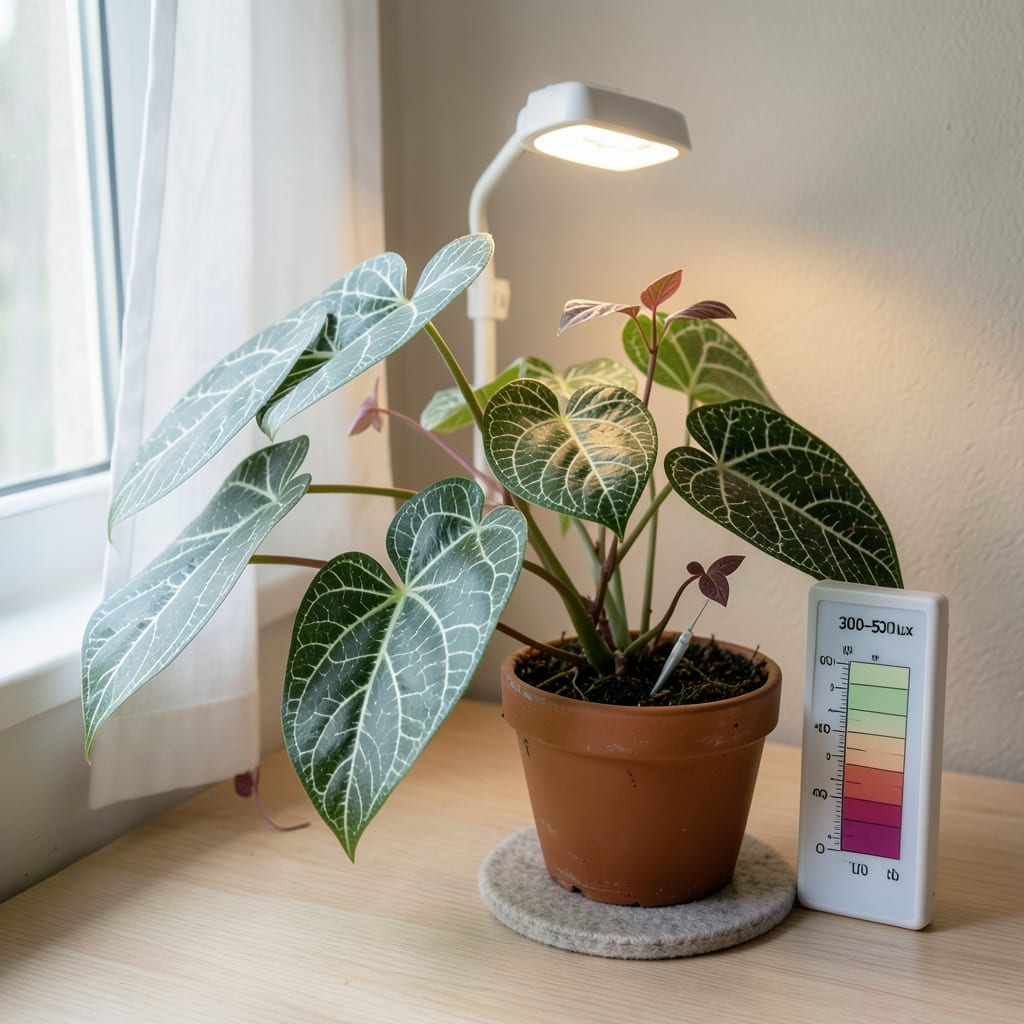
That moment when your Nerve Plant 🌿 loses its vibrant variegation is heartbreaking—especially when you realize it’s just how much light does a nerve plant need to keep those striking patterns alive. Too little, and those bold veins fade to a dull green; too much, and crispy edges ruin the beauty you fell in love with. The good news? Getting the light right isn’t complicated once you know the exact hours and conditions your plant craves.
Most growers assume bright indirect light means any window will do, but that’s where mistakes happen. Your Nerve Plant thrives in 4-6 hours daily of filtered sunlight, ideally from an east-facing window where morning rays are gentle. I’ll show you how to spot the subtle signs of light stress—like faded veins or leggy growth—and adjust before it’s too late.
What if your space lacks natural light? Don’t panic—artificial solutions work too. We’ll cover everything from LED grow lights to simple window hacks that keep your plant’s colors popping year-round. Whether you’re in USDA Zone 6 or a city apartment, these tips will ensure your Nerve Plant stays lush and eye-catching.
By the end, you’ll know exactly where to place your plant, how to troubleshoot light issues, and even how seasonal changes affect its needs. Let’s bring back that stunning variegation—your plant’s happy glow is just 4-6 hours away.

Optimal daily light requirements for nerve plant variegation (by season)
Your nerve plant (Fittonia spp.) thrives on bright indirect light—this is non-negotiable for maintaining those striking variegated patterns. Without the right light, those pink, white, or red veins will fade to a dull green, and growth slows dramatically. I’ve learned this the hard way after moving my plant from a west-facing window to a north-facing one—the difference in variegation intensity was night and day.
For peak variegation, aim for 4 to 6 hours of bright indirect light daily. This mimics its natural understory habitat in tropical forests, where dappled sunlight filters through canopy leaves. Too little light, and your plant becomes a green monster—losing its signature beauty. Too much, and those delicate leaves crisp like burnt toast.
Seasonal adjustments are key. In spring and fall, natural light is gentler, so 4 hours daily is perfect. But during summer’s intense sunlight, reduce exposure to 3 hours max to prevent leaf scorch. Winter? Boost light to 6 hours using grow lights if needed—your plant won’t hibernate.
Outdoor nerve plants need morning sun only (6 AM–12 PM) and afternoon shade. Placing them under a tree canopy or on a porch with partial shade works wonders. I once placed mine on a south-facing patio for 2 hours in the morning—its variegation stayed vibrant for months.
Indoors, east-facing windows are ideal because they offer gentle morning light without harsh afternoon rays. If your home lacks natural light, grow lights (more on this later) become your best friend. My LED grow bulb keeps my nerve plant thriving in a dim office corner—just 6 inches away for 12 hours daily.
| Season | Ideal Light Hours | Light Type | Variegation Impact |
|---|---|---|---|
| Spring | 4–6 hours | Bright indirect | Vibrant patterns |
| Summer | 3–4 hours (morning only) | Dappled shade | Prevents scorching |
| Fall | 4–5 hours | Bright indirect | Maintains color |
| Winter | 6–8 hours (supplemental light) | Grow lights or south window | Preserves variegation |
Pro tip: Rotate your nerve plant every 2–3 weeks to ensure even light exposure. I noticed one side of my plant grew toward the window and became leggy—rotating it fixed the imbalance in 2 weeks. Uneven growth is a classic sign of light deprivation on one side.
If you’re growing nerve plants outdoors, watch for afternoon sun—even 1 hour of direct rays can bleach or crisp those delicate leaves. I use a lightweight sheer curtain on my balcony to diffuse harsh light during peak hours. For indoor plants, sheer curtains also work to soften west-facing window light.
Remember: Variegation is light-dependent. The more bright indirect light your plant gets, the more pink, white, or red veins will pop. My Fittonia albivenis (white-veined variety) turns almost silver in ideal conditions—it’s a sight to behold. Neglect the light, and you’ll end up with a bland green plant that’s lost its charm.
For low-light conditions, accept that your plant’s variegation will fade over time. But with the right grow lights (like a 10,000K LED bulb), you can mimic natural light and keep those patterns sharp. I’ve seen nerve plants thrive under artificial light in offices with no windows—proof that light control is the secret weapon.
Signs your nerve plant isn’t getting enough (or too much) light
Your nerve plant (Fittonia spp.) communicates its light needs through subtle but clear visual cues. If the variegated patterns on its leaves fade or turn dull green, it’s begging for more bright indirect light. This happens when placed too far from a window or under artificial lights that aren’t strong enough. The plant’s signature veiny patterns rely on balanced light to stay vibrant.
On the flip side, brown crispy edges or bleached white patches on the leaves signal light burn from too much direct sun, especially harsh afternoon rays. These signs appear within days of overexposure, so act fast to move your plant to a safer spot. Even a few hours of direct sunlight can cause irreversible damage to the delicate foliage.
Here’s how to diagnose the issue quickly: Check the leaf undersides. If they’re pale or nearly white, your plant needs more light. If they’re dark green with yellowing, it’s getting too much direct sun. This simple trick helps you adjust placement without guessing.
If your plant’s growth slows dramatically, it’s another red flag. Healthy nerve plants produce new leaves every 4-6 weeks during spring and summer. Stunted growth means it’s either underlit or root-bound. Gently check the roots—if they’re circling the pot, repot into fresh well-draining soil and move to a brighter spot.
For low-light conditions, like a north-facing window, supplement with a grow light placed 6-12 inches above the plant for 12-14 hours daily. Use a full-spectrum LED bulb to mimic natural light and prevent the variegation from fading. Rotate the plant weekly so all sides receive even exposure.
Remember, nerve plants are adaptable but finicky about light. The key is consistency—avoid moving the plant frequently, as sudden light changes can cause stress. Once you find the sweet spot, your plant will reward you with bold, colorful foliage year-round.