
Light Requirements
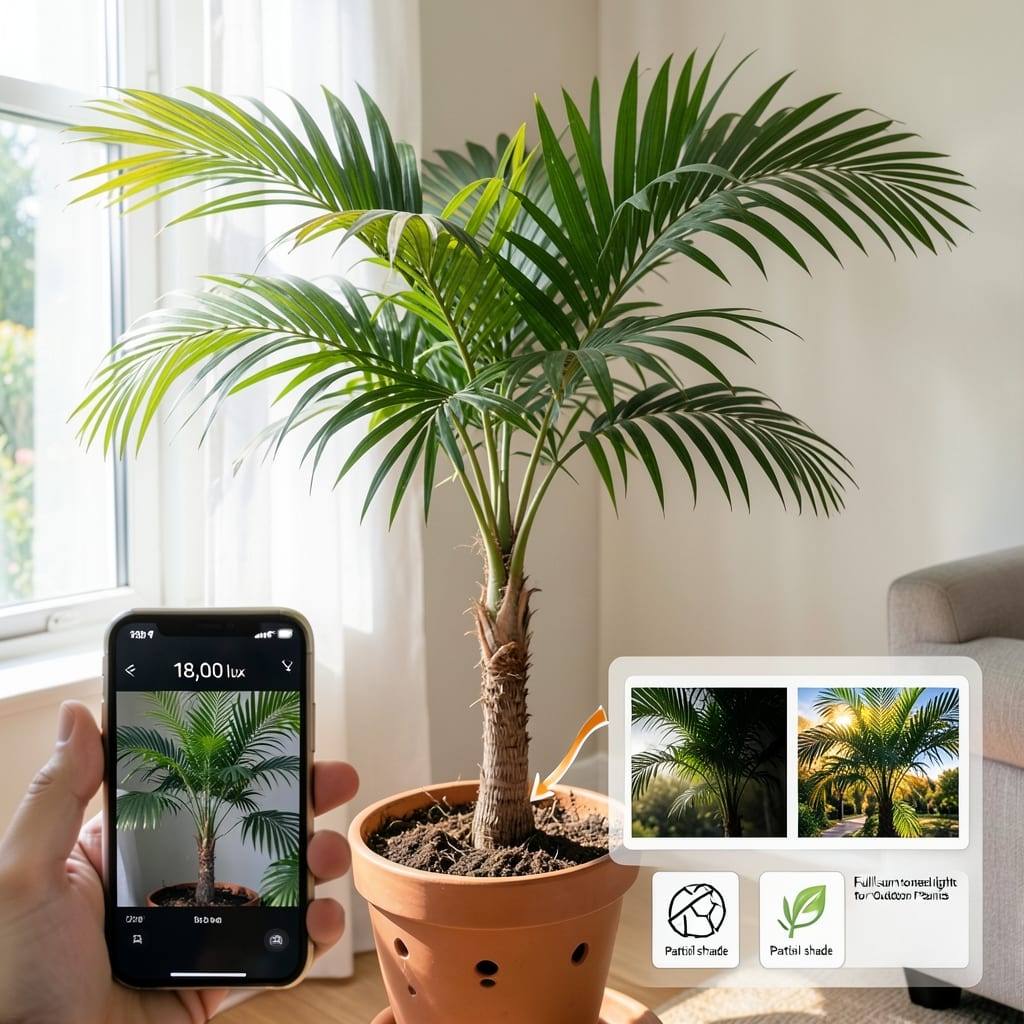
Optimal light requirements for palm plants by species and variety
Palm plants thrive under specific light conditions, but their needs vary dramatically by species. Some, like the Majesty Palm, crave bright indirect light with 4–6 hours of direct sun, while others, such as the Kentia Palm, prefer low to medium indirect light—no more than 2–3 hours of filtered sunlight daily. Understanding these differences is key to preventing yellowing fronds or stunted growth. Let’s break down the light needs for the most popular palm varieties and how to adapt their care based on your home’s lighting.
For outdoor palms, full sun exposure (6+ hours) is ideal for hardy species like the Canary Island Date Palm or Mexican Fan Palm, which tolerate direct midday sun in USDA Zones 9–11. However, even these varieties benefit from afternoon shade in scorching climates to avoid leaf scorch. In contrast, tropical palms like the Parlor Palm or Bamboo Palm struggle in harsh sunlight and thrive in bright, indirect light, such as near an east-facing window or under 50% shade cloth outdoors.
Indoor palms often suffer from insufficient light, especially in north-facing rooms where direct sunlight is minimal. A south-facing window provides the most consistent light, but avoid placing palms directly in the path of hot afternoon rays, which can cause leaf burn. Instead, position them 3–6 feet away from the glass to diffuse the light naturally. For apartments with limited natural light, grow lights become essential—more on that in our next section.
Seasonal changes also impact your palm’s light needs. During winter months, when daylight is shorter, move indoor palms closer to windows or supplement with grow lights to maintain 12–14 hours of light daily. Conversely, in summer, palms in direct sunlight may need additional shade to prevent heat stress. Watch for crispy brown edges on fronds—a classic sign of too much sun—and adjust their placement accordingly.
If your palm’s fronds start yellowing from the tips inward, it’s often a sign of overwatering, but underwatering can cause similar symptoms. However, if the entire frond turns yellow and feels mushy, it’s likely a light deficiency combined with poor air circulation. In this case, rotate the plant weekly to ensure even light exposure and trim dead fronds to redirect energy to healthy growth. For outdoor palms, mulch around the base to retain moisture and protect roots from temperature fluctuations.
For new palm owners, start with a low-light variety like the Parlor Palm if your home lacks natural light. These palms are forgiving and can adapt to artificial lighting, making them perfect for offices or basements. If you’re growing sun-loving palms outdoors, like the Pindo Palm or Sago Palm, ensure they’re planted in well-draining soil and watered deeply but infrequently to mimic their native arid conditions. Always acclimate indoor palms to outdoor light gradually—sudden exposure to full sun can cause leaf burn within days.
Pro tip: Use a light meter
How to measure and adjust light exposure for your palm’s health
Not all light is created equal when it comes to palm plants. While most palms crave bright, indirect light, some varieties—like the Majesty palm—can handle direct sunlight for up to 6–8 hours daily. The key is understanding how to measure your space’s light quality and adjust exposure to avoid sunburned fronds or stunted growth.
Start by observing your palm’s current location. Hold a lux meter (or use a smartphone app) near the plant to check light intensity. Palms thrive in 2,000–5,000 lux for most varieties, but Kentia palms prefer the lower end (1,500–3,000 lux). If readings drop below 1,000 lux, your palm is likely light-deprived.
For indoor palms, position them 3–6 feet from a south- or west-facing window. If your space lacks natural light, east-facing windows work but may require supplemental grow lights for 8–10 hours daily. Avoid north-facing windows—they provide the least light and often lead to leggy, weak stems.
Outdoor palms need seasonal adjustments. In summer, provide afternoon shade (e.g., sheer curtains or a 50% shade cloth) to protect delicate fronds. In winter, move container palms to a sheltered spot if temperatures drop below 50°F, as cold drafts combined with weak winter sun can stress the plant.
Watch for telltale signs of improper light: Yellowing fronds (too much light), dark green or purple stems (too little light), or brown tips (low humidity + harsh light). Address issues quickly—palms are slow to recover from light-related damage.
Pro tip: Use a reflective surface (like a white wall or mirror) behind your palm to bounce extra light onto the fronds without risking sunburn. This trick works wonders in low-light apartments while keeping your palm happy and healthy.