
Light Requirements
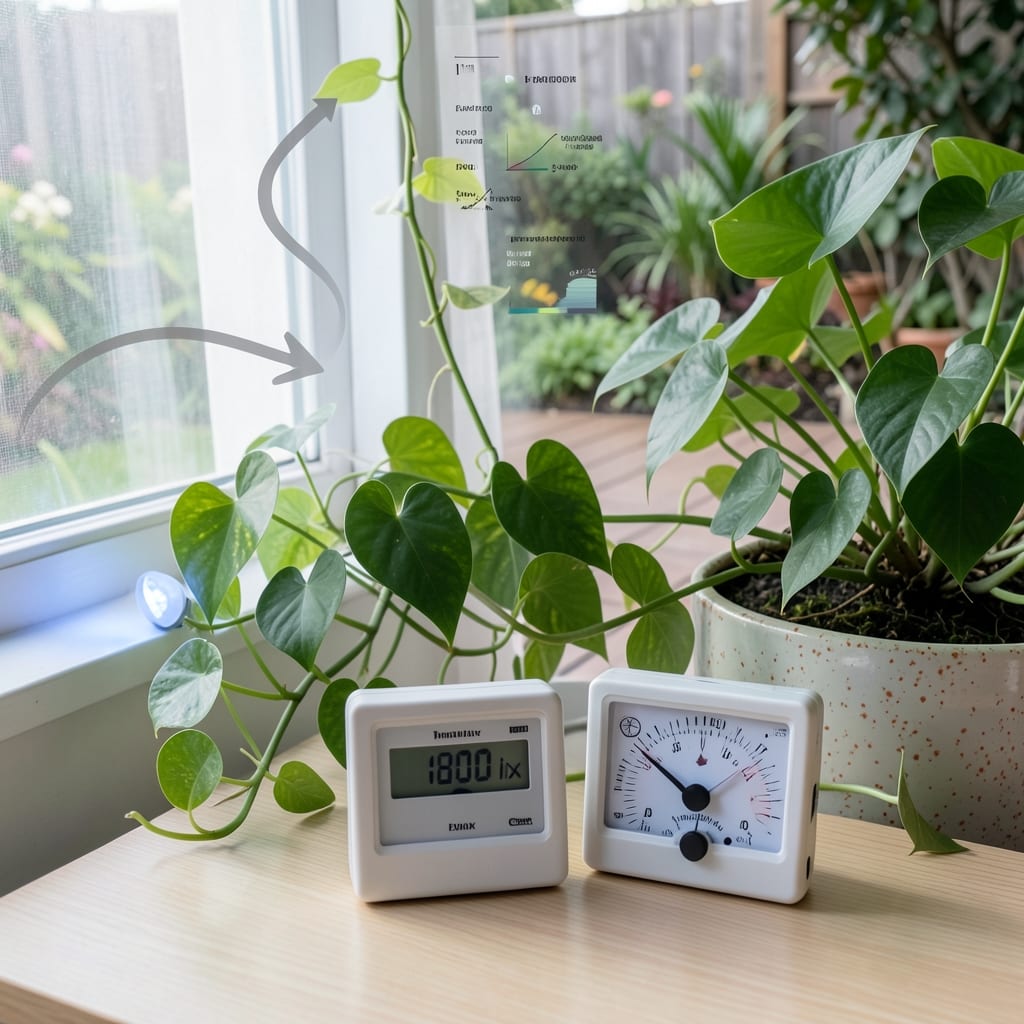
Wondering how much light does a philodendron plant need to stay happy and healthy? You’re not alone—many plant parents struggle with this question, especially when their 🌿 philodendron starts looking less lush and more leggy. The good news? These resilient vines are far more forgiving than you might think, thriving in conditions that would stress out other houseplants.
Philodendrons are masters of adaptability, but they do have preferences. Too little light, and your plant might stretch toward the window like it’s reaching for a snack. Too much direct sun, and those beautiful leaves could end up with unsightly brown patches. The sweet spot? Bright, indirect light—think of it as the plant equivalent of a cozy reading nook.
In this guide, I’ll walk you through the ideal light conditions for your philodendron, whether you’re growing a trailing heartleaf or a bold Xanadu variety. You’ll learn how to spot signs of light stress, adjust your home’s lighting like a pro, and even troubleshoot common issues—so your plant stays vibrant year-round.
Ready to give your philodendron the perfect lighting setup? Let’s dive in and turn those brown tips and stretched stems into a thriving, leafy masterpiece.

Philodendron light requirements: ideal light levels for healthy growth
Philodendrons are famously adaptable, but their light needs depend on the variety and your goal for growth. Most varieties—like the popular heartleaf philodendron—thrive in bright indirect light, which mimics their natural understory habitat. Think of it as the golden middle ground: enough light to fuel lush foliage, but not the harsh glare that can scorch delicate leaves.
For fast growth and vibrant leaves, aim for 4–6 hours of indirect light daily. This could mean placing your plant near an east-facing window (gentle morning sun) or a few feet back from a south-facing window (filtered light). If your philodendron is a climbing variety like Xanadu or Brasil, it may tolerate slightly more light to encourage bold leaf patterns.
The key is avoiding direct sunlight, which can cause brown patches or crispy edges on leaves. Even a few hours of harsh afternoon sun can stress your plant, so if you notice leaves curling or developing yellow spots, it’s time to adjust its location. A sheer curtain can help diffuse light while still providing the brightness your philodendron craves.
Now, let’s talk low-light tolerance. Philodendrons can survive in low-light conditions, but expect slower growth and smaller leaves. If your plant is in a dim corner, it might stretch toward the nearest light source—a condition called etiolation. This isn’t harmful, but it can make your philodendron look leggy and less full. In these cases, supplementing with a grow light (12–14 hours daily) can revive its growth.
| Light Level | Ideal For | Growth Impact | Signs of Stress |
|---|---|---|---|
| Bright Indirect Light (4–6 hrs/day) | Heartleaf, Brasil, Xanadu | Fast, lush growth | None (ideal conditions) |
| Medium Indirect Light (2–4 hrs/day) | All varieties | Moderate growth, smaller leaves | Leggy stems, pale leaves |
| Low Light (<2 hrs/day) | Emergency survival | Slow growth, sparse leaves | Stretched stems, yellowing |
| Direct Sunlight | Never ideal | Burned leaves, stunted growth | Brown patches, crispy edges |
Different philodendron varieties have slightly different light preferences. For example, Philodendron hederaceum (heartleaf) is the most adaptable, while Philodendron micans (velvet leaf) prefers slightly brighter conditions to showcase its stunning texture. Always check your plant’s care tag for variety-specific tips, but remember: all philodendrons can recover from light mistakes with patience and adjustments.
If you’re unsure whether your philodendron is getting enough light, look for these growth triggers: dark green, glossy leaves with a healthy sheen indicate ideal conditions. On the other hand, yellowing leaves or brown tips often signal overwatering or too much direct light. The fix? Move your plant to a brighter (but indirect) spot and reduce watering slightly until the soil dries out more between waterings.
For indoor growers, artificial light can be a game-changer. LED grow lights with a cool white spectrum (around 5000–6500K) mimic natural sunlight and can keep your philodendron thriving in a dim room. Place the light 12–18 inches above the plant and provide 12–14 hours of light daily to mimic a full day cycle. Rotate your plant weekly to ensure even growth and prevent it from leaning toward the light source.
Pro tip: Rotate your philodendron every 2–4 weeks to encourage even growth. Plants naturally grow toward light, so turning them quarter-turns ensures all sides receive equal exposure. This is especially important for trailing varieties, which can become lopsided if left untouched. A simple 5-minute adjustment every month keeps your philodendron looking full and balanced.
Remember, philodendrons are forgiving plants, and even if you’ve had a few light-related setbacks, they often bounce back with minor adjustments. Start by observing your plant’s current conditions, then tweak its location or lighting gradually. With the right balance of indirect light, your philodendron will reward you with glossy, vibrant leaves for years to come.
How to adjust your home’s lighting for a thriving philodendron
Your philodendron’s lighting needs can make or break its health, but don’t worry—most homes already have the perfect spots if you know where to look. The key is bright, indirect light, which mimics the dappled sunlight philodendrons love in their native tropical habitats. Start by identifying the best windows in your home: east-facing windows offer gentle morning light, while north-facing windows provide consistent, even light without harsh afternoon rays.
If your philodendron is currently in a dim corner, don’t panic. These plants are famously adaptable, but they’ll reward you with faster growth and richer leaves when placed near a window. For west-facing windows, use a sheer curtain to diffuse the intense afternoon sun, which can scorch delicate leaves. South-facing windows are trickier—only place your philodendron a few feet away to avoid direct exposure.
🌿 Here’s a quick rule of thumb: If you can read a book comfortably in the same spot, your philodendron will thrive there. Too little light? Watch for stretched stems and pale leaves. Too much? Look for brown patches or crispy edges. The goal is balance—like Goldilocks’ porridge, but for plants.
| Window Type | Light Intensity | Philodendron Placement | Best For |
|---|---|---|---|
| North-Facing | Bright Indirect | 2–3 feet from window | All varieties (ideal) |
| East-Facing | Morning Sun | Direct light (no curtain) | Heartleaf, Brasil |
| West-Facing | Afternoon Sun | 3+ feet from window (sheer curtain) | Xanadu, Hope |
| South-Facing | Direct + Harsh | 5+ feet from window (avoid direct) | Low-light varieties only |
No ideal window in your home? No problem. A grow light can be a game-changer, especially for low-light spaces. LED grow lights designed for houseplants are energy-efficient and mimic natural light spectra. Place your philodendron 6–12 inches under the light and provide 12–14 hours of light daily. Rotate the plant weekly to prevent lopsided growth—think of it like giving your philodendron a mini vacation from one side.
For DIY solutions, try a reflective surface like a mirror or white-painted wall behind your plant to bounce extra light onto its leaves. Even a rotating plant stand can help maximize light exposure, especially if your philodendron is trailing or climbing. The goal is to create an environment where your plant feels like it’s basking in its natural habitat—just without the humidity of a rainforest!
Pro tip: Pay attention to your philodendron’s growth patterns. If it’s growing toward one side, it’s begging for more light there. If leaves are darkening or new growth is slower, it’s time to adjust. With a little experimentation, you’ll find the sweet spot where your philodendron thrives—no brown tips or leggy stems in sight!