
Light Requirements
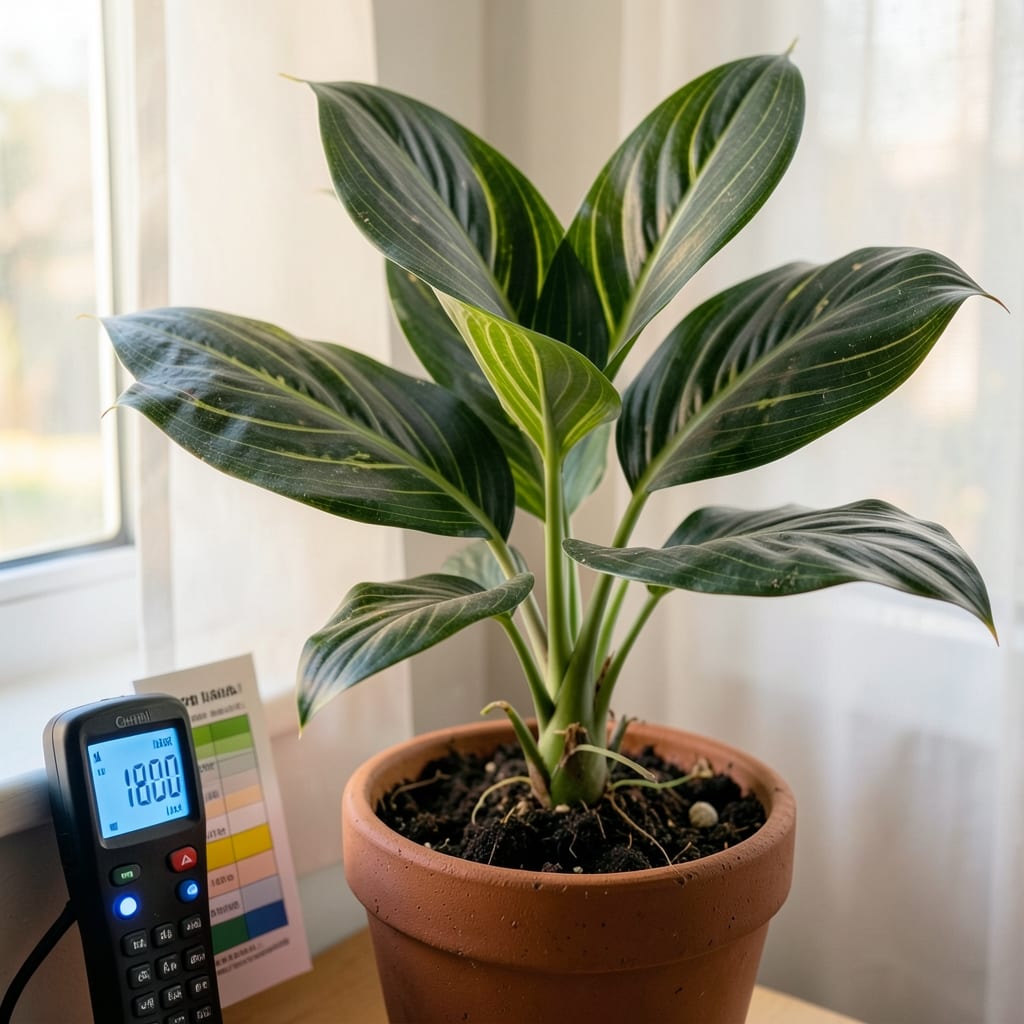
If you’re wondering how much light does a zebra plant need to keep its stunning striped leaves bold and vibrant, the answer lies in replicating its natural tropical habitat—with a few key adjustments. Most houseplants can handle a little guesswork, but zebra plants (Aphelandra squarrosa) are picky about their lighting. Too little, and those eye-catching stripes fade into dull green. Too much direct sun, and you’ll end up with crispy, sunburned edges. The sweet spot? Bright, indirect light for about 4 to 6 hours daily, mimicking their native jungle habitat.
Here’s the game-changer: even if your home lacks perfect natural light, I’ll show you how to replicate ideal conditions with simple adjustments. Whether you’re dealing with a dim corner or a scorching afternoon sun, these tips will keep your zebra plant’s foliage looking fresh and striking year-round.
Let’s dive into the exact light requirements your zebra plant needs—not just to survive, but to flaunt those show-stopping stripes like a pro.

Zebra plant light requirements: ideal hours by season for stunning striped foliage
Your zebra plant’s bold striped leaves are its signature feature, and light exposure is the #1 factor in keeping them vibrant. Unlike hardy succulents, zebra plants (Aphelandra squarrosa) thrive in bright indirect light—think dappled sunlight filtering through a jungle canopy. This means placing your plant near an east-facing window (where morning sun is gentler) or a few feet back from a south-facing window to avoid harsh afternoon rays.
The ideal daily light exposure for zebra plants falls between 4 to 6 hours of bright, filtered light. This mimics their native habitat in South American rainforests, where they grow under taller trees. Too little light, and those striking stripes will fade to pale green. Too much direct sun, and you’ll see brown crispy edges on the leaves—a classic sign of sunburn.
Seasonal adjustments are key. During spring and summer, when sunlight is intense, your zebra plant may need slightly more indirect light (up to 6 hours) but should never face harsh afternoon sun. In fall and winter, when natural light dims, supplement with a grow light for 4-5 hours daily to prevent leggy growth.
Here’s how to spot light deficiency symptoms in your zebra plant:
- Faded stripes turning dull green
- Leggy stems stretching toward light sources
- Small, sparse leaves instead of bold foliage
- Slow growth or no new leaves forming
On the flip side, over-exposure signs include:
- Brown patches or crispy edges on leaves
- Wilting despite consistent watering
- Bleached or yellowed stripes
- Premature leaf drop
| Season | Ideal Light Hours | Best Window Placement | Adjustments Needed |
|---|---|---|---|
| Spring | 4-6 hours | East or North | Sheer curtain for afternoon sun |
| Summer | 4-5 hours (indirect) | 3-4 feet from South window | Rotate plant weekly |
| Fall | 4 hours (supplement if needed) | East or West | Add grow light for 1-2 hours |
| Winter | 4-5 hours (grow light essential) | South-facing with sheer curtain | Use LED grow light 4-6 hours |
For indoor growers, the best spot is typically 2-3 feet from an east-facing window, where the morning sun is warm but not scorching. If you only have a south-facing window, place your zebra plant at least 4 feet away to diffuse the intensity. A sheer curtain can also filter harsh rays while still allowing plenty of light to reach the leaves.
Pro tip: Rotate your zebra plant every 1-2 weeks to ensure even growth. Plants naturally lean toward light sources, which can cause uneven development. A simple quarter-turn keeps those stripes symmetrical and the foliage full.
If you notice your zebra plant’s stripes losing their contrast, it’s a clear sign of insufficient light. The variegated patterns rely on photomorphogenesis—a process where light triggers pigment production. Without enough light, the plant prioritizes green chlorophyll over the purple and white stripes, dulling its signature look.
Remember, zebra plants are not low-light tolerant like snake plants or ZZ plants. They’re light-lovers that need consistent brightness to maintain their show-stopping foliage. With the right light setup, your zebra plant will reward you with bold, healthy stripes for years to come.
How to adjust light for a zebra plant: quick fixes for overly dark or sunny spots
If your zebra plant’s stripes are fading or its leaves are stretching toward the window, it’s begging for better light—but not necessarily more. The key is bright, indirect light, and I’ve got the tricks to dial it in, whether your space is too dim or too harsh. Start by assessing your plant’s current spot: if it’s in a north-facing window or deep in a room, it’s likely light-deprived. If it’s in a south-facing window with afternoon sun, it’s probably getting too much direct light.
For low-light situations, rotate your plant quarter-turns weekly to ensure even growth. Place it 2-3 feet from an east-facing window, where morning sun is gentler. If you’re stuck with dim conditions, a grow light on a timer (12-14 hours daily) can mimic natural brightness. LED grow lights with a 5000-6500K color temperature work best for variegated plants like zebra plants.
🌿
⚠️ Warning: Direct Sun Burns
Never place your zebra plant in direct afternoon sun. The intense rays will bleach its leaves and cause brown, crispy edges. If your plant is already showing sun damage, move it immediately to a shaded spot and trim the affected leaves with clean sterilized scissors to encourage new growth.
If your space has harsh afternoon sun, use sheer white curtains to diffuse the light without blocking it entirely. Alternatively, position your zebra plant 5-6 feet away from a west-facing window, where the light is still bright but less intense. For extra protection, place it behind a light-colored sheer curtain or a thin bamboo screen to filter the rays.
Pro tip: Watch your zebra plant’s leaves for clues. If the stripes are fading or turning solid green, it needs more light. If the leaves are yellowing or curling, it’s getting too much direct sun. Adjust gradually—sudden changes can shock your plant. With these tweaks, your zebra plant will reward you with bold, striped leaves all year round.
For extra peace of mind, invest in a light meter (around $20) to measure foot-candles. Aim for 1,000-2,000 foot-candles of indirect light—this is the sweet spot for zebra plants to thrive without stress. ☀️