
Light Requirements
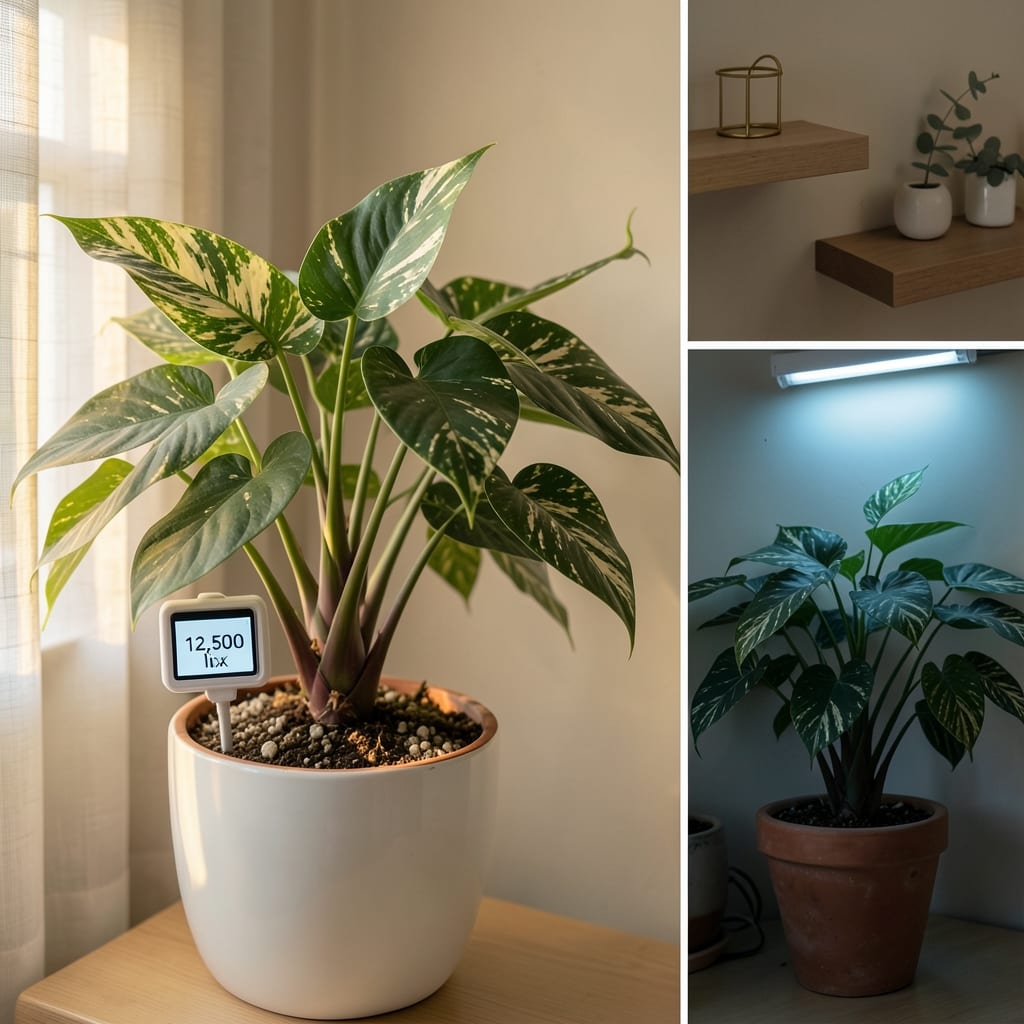
If your Arrowhead Plant 🌿 looks tired or stops growing, the issue might be simpler than you think—it’s probably how much light does an arrowhead plant need to thrive. Too little, and it stretches awkwardly; too much, and those beautiful leaves crisp at the edges. But here’s the good news: with just a few tweaks, you can give your plant the perfect balance of bright indirect light it craves.
Most people assume "bright light" means harsh sunlight, but for Arrowhead Plants, it’s all about finding that sweet spot—like a cozy reading nook where the light is soft but inviting. I’ve seen these plants go from droopy to thriving just by moving them a few feet closer to an east-facing window. The key is understanding how to spot the signs of light stress before they become permanent damage.
Whether you’re dealing with a leggy plant reaching for the ceiling or crispy brown edges from too much sun, I’ll break down exactly what your Arrowhead Plant needs to stay happy. You’ll learn how to assess your home’s lighting, adjust placement, and even use artificial light if natural options are limited. Let’s get your plant back to its lush, vibrant best!
Don’t guess anymore—discover the foolproof way to give your Arrowhead Plant the ideal light conditions so it grows strong and healthy year-round. Trust me, your plant (and your patience) will thank you.
 Best Window Placement
Ideal light requirements for Arrowhead Plants: bright indirect sun explained
Arrowhead Plants (Syngonium spp.) thrive in bright indirect light, but what does that really mean? Picture the dappled sunlight filtering through a jungle canopy—this is the perfect light environment for your plant. Direct sun can scorch those delicate leaves, while low light causes leggy growth and pale foliage. The goal is to balance light intensity and duration to keep your plant happy.
In my experience, 4-6 hours of bright indirect light per day is ideal for most varieties. This mimics their natural habitat under the forest floor, where they receive filtered sunlight. If your home has east-facing or west-facing windows, these are the best spots. South-facing windows can work too, but you’ll need to filter the light with a sheer curtain to prevent leaf burn.
Here’s a quick way to test your plant’s light exposure: Hold a piece of paper near your plant during the day. If the shadows are sharp and dark, the light is too direct. If the shadows are soft and faint, you’re in the ideal range. Adjust the placement until you find that sweet spot where your Arrowhead Plant’s leaves stay vibrant and upright.
🌱 Arrowhead Plant Light Requirements Summary
| Requirement | Specification |
|---|---|
| Light Type | Bright indirect light |
| Daily Duration | 4-6 hours |
| Best Windows | East or West-facing |
| Distance from Window | 2-3 feet away |
| Low-Light Tolerance | Survives, but grows slowly |
| Direct Sun Risk | Leaf scorch and crispy edges |
Seasonal changes can throw off your plant’s light routine. During summer, when sunlight is intense, move your Arrowhead Plant further from the window or add a sheer curtain. In winter, when days are shorter, supplement with a grow light for 6-8 hours daily if natural light drops below 4 hours. I’ve found that a simple LED grow bulb placed 12 inches above the plant works wonders for maintaining consistent growth.
One common misconception is that all indirect light is equal. Not true! North-facing windows provide low light, which can lead to stunted growth and dull foliage. If you’re stuck with a north-facing window, rotate your plant quarter-turns weekly to ensure even light exposure. This simple trick helps prevent lopsided growth and keeps those arrow-shaped leaves symmetrical.
For those with artificial lighting setups, a full-spectrum LED grow light is your best bet. Position it 12-18 inches above the plant and keep it on for 12-14 hours daily. Brands like Sylvania Grow Lux or GE Agriculture are affordable and effective. I’ve seen Arrowhead Plants thrive under these lights, even in basement offices or dark corners of apartments.
Pro tip: If your plant starts to lean toward the light, it’s a clear sign it needs to be closer to the source or rotated for balanced growth. Think of it like turning a sunflower toward the sun—your Arrowhead Plant is doing the same, just in a more subtle way. Addressing this early prevents permanent growth deformities and keeps your plant looking its best.
Finally, remember that not all Arrowhead varieties have the same light needs. Variegated types, like Syngonium 'White Butterfly', need slightly more light to maintain their striking patterns. Stick to the bright indirect light rule, and you’ll avoid the common pitfall of faded variegation or reverted green leaves. With the right light, your Arrowhead Plant will reward you with bold colors, glossy leaves, and rapid growth—all while being one of the easiest houseplants to care for.
Ideal light requirements for Arrowhead Plants: bright indirect sun explained
Arrowhead Plants (Syngonium) thrive in bright indirect light, but many gardeners mistakenly assume this means harsh sunlight. Think of it like a tropical rainforest understory—dappled sunlight filtering through leaves—not the intense glare of a midday sun. These plants naturally grow under taller foliage in their native habitats, so they’re adapted to moderate light intensity rather than full sun.
The perfect light setup for your Arrowhead Plant delivers 4-6 hours of bright, diffused light daily. This could mean placing it near an east-facing window (gentle morning sun) or a west-facing window with sheer curtains to soften the afternoon rays. South-facing windows can work too, but only if the plant is at least 3 feet away from the glass to prevent leaf scorch.
🌱 Pro Tip: If you’re unsure about your home’s light levels, try the "shadow test"—place your hand near the plant’s spot. If you can still read a book comfortably in that light, it’s likely ideal for your Arrowhead Plant.
| Light Condition | Description | Plant Response |
|---|---|---|
| Bright Indirect Light | East/west windows, 2-3 ft away; filtered sunlight | Healthy growth, vibrant leaves, compact shape |
| Low Light | North-facing windows, dim corners | Leggy growth, pale leaves, slow development |
| Direct Sunlight | South windows without curtains, afternoon sun | Brown leaf tips, crispy edges, sunburn |
Seasonal changes can shift your plant’s light needs. During spring and summer, when sunlight is strongest, your Arrowhead Plant may need slightly more shade—especially if you notice leaf edges turning brown. In fall and winter, when natural light dims, you might need to supplement with grow lights (12-14 hours daily) to prevent leggy growth.
For indoor growers, grow lights are a game-changer. A full-spectrum LED bulb placed 12-18 inches above the plant mimics natural light perfectly. Run it for 12-14 hours daily to keep your Arrowhead Plant thriving, even in low-light rooms. Just avoid placing it too close—heat from bulbs can scorch leaves just like direct sunlight.
💡 Remember: Arrowhead Plants are forgiving but not indestructible. If you’re unsure, err on the side of slightly lower light—you can always increase exposure gradually. A slow transition prevents shock and helps your plant adjust smoothly to brighter conditions.