
Plants
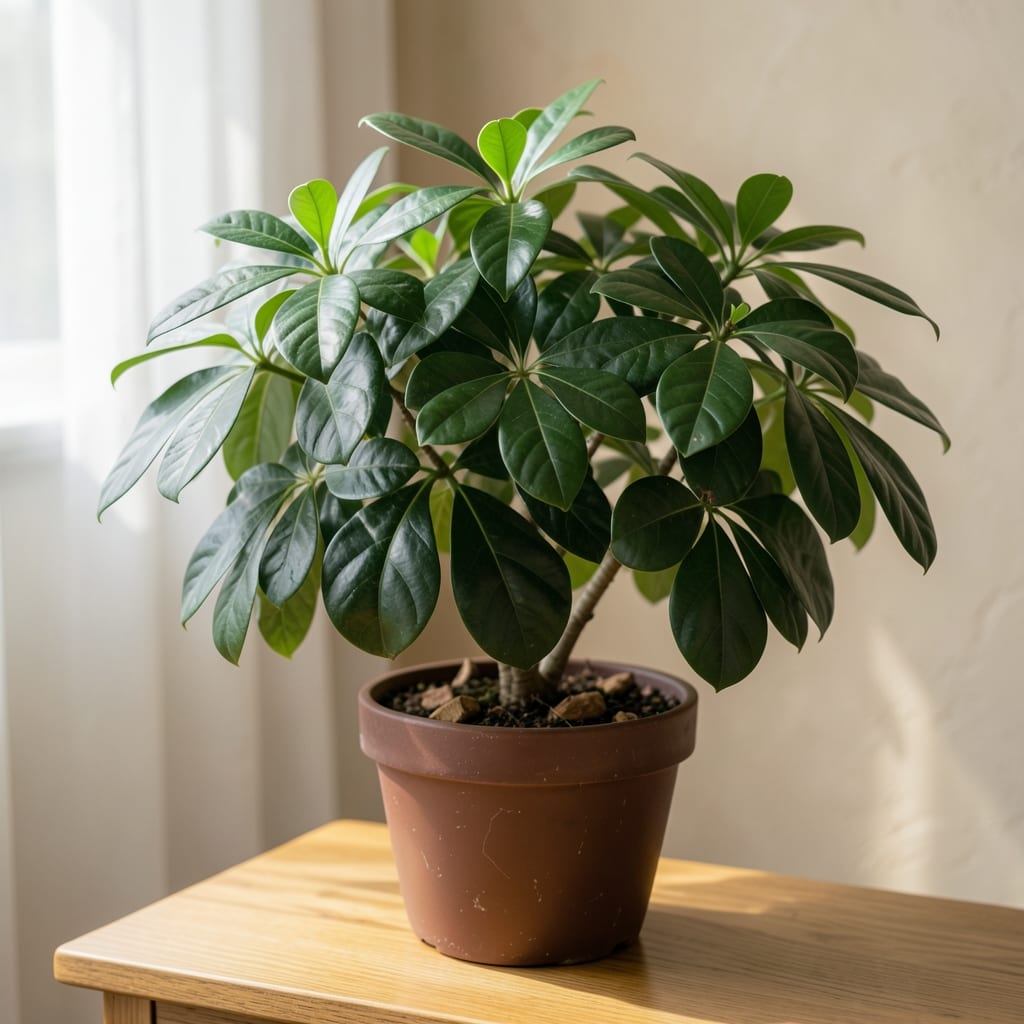
If you’re wondering how much light does an umbrella plant need to stay happy, the answer might surprise you—especially if you’ve been assuming it thrives in dim corners. While these plants tolerate some shade, they actually crave bright indirect light to stay lush and vibrant, whether indoors or outdoors. Too little light leads to leggy growth, while too much direct sun can scorch those beautiful leaves. Let’s break down the perfect lighting setup for your Schefflera actinophylla so you can watch it flourish.
Most people assume these plants thrive in low light, but that’s a myth. While they can handle some shade, they actually crave bright indirect light to stay healthy. Too little light leads to leggy growth, while too much direct sun can scorch those beautiful leaves. Let’s break down the perfect lighting setup for your Schefflera actinophylla so you can watch it flourish.
Whether you’re dealing with a north-facing office window or a sunny patio, I’ll show you how to spot the ideal spot. You’ll learn how to adjust for seasonal changes, avoid common mistakes, and even save a struggling plant with simple tweaks.
Ready to give your Umbrella Plant the perfect light conditions? Let’s dive into the details so you can enjoy a thriving, green friend year-round.
 Best Window Placement
Ideal light requirements for umbrella plants: bright indirect light explained
Your umbrella plant (Schefflera) thrives best in bright indirect light, mimicking its natural habitat under forest canopies. This means placing it near a window where sunlight filters through sheer curtains or glass, but never in harsh direct rays. Think of it like a sunbathing spot on a cloudy day—gentle but plenty of light.
Most people mistakenly assume these plants tolerate low light, but that leads to leggy growth and sparse foliage. The key is finding a balance where leaves stay vibrant and stems remain sturdy. For indoor setups, an east-facing window is ideal, offering morning sun without afternoon intensity.
Outdoors, umbrella plants enjoy dappled shade under trees or a patio covered with a sheer fabric canopy. They can handle up to 4-6 hours of morning sun, but afternoon rays often cause leaf burn. Always monitor for signs of stress like yellowing or crispy edges.
Seasonal changes affect light needs too. In summer months, reduce direct exposure to prevent scorching, while winter light may require supplemental grow lights if natural light fades. Rotate your plant occasionally so all sides receive even exposure for balanced growth.
Here’s how to identify the perfect spot: hold your hand near the plant—if you can barely feel warmth but still see clear shadows, you’ve nailed bright indirect light. Too little light? Leaves will stretch toward the window. Too much? You’ll spot brown patches or bleached areas.
| Light Condition | Ideal Setup | Signs of Correct Light |
|---|---|---|
| Bright Indirect | East/west window with sheer curtains; 2-3 ft from glass | Dark green leaves, compact growth, no brown spots |
| Low Light | North-facing window or 10+ ft from bright windows | Leggy stems, sparse leaves, pale color |
| Direct Sun | South/west window without filter; afternoon sun | Brown crispy edges, bleached patches, wilting |
For indoor growers, artificial grow lights can bridge gaps in natural light, especially in winter. Use a full-spectrum LED bulb 12-15 inches above the plant for 12-14 hours daily. Position it to mimic natural light angles—tilt slightly to prevent one-sided growth.
Outdoor umbrella plants need protection from hot afternoon sun, especially in zones with intense summer heat. A 50% shade cloth or partial afternoon shade from nearby structures works wonders. Always acclimate potted plants gradually to outdoor conditions to avoid shock.
Pro tip: Dust leaves monthly with a damp cloth to maximize light absorption. Dust blocks 15-20% of light, slowing photosynthesis and growth. Pair this with proper watering (let topsoil dry slightly between waterings) to keep your plant thriving in its ideal light spot.
Remember, consistency is key. Sudden light changes—like moving from a dim office to a sunny patio—can stress your plant. Adjust gradually over 1-2 weeks to let it adapt without shock. With the right light, your umbrella plant will reward you with glossy, lush foliage for years.
Low-light survival guide: can umbrella plants thrive in dim corners?
If your home only has low-light conditions, don’t assume your umbrella plant is doomed. While they prefer bright indirect light, these plants can survive—and even thrive—in dim corners with the right adjustments. The key is understanding their minimum light tolerance and supplementing when needed. Many people mistakenly think umbrella plants are "low-light tolerant," but that’s only true with proper care.
North-facing windows or rooms without natural light? No problem. Umbrella plants can adapt to 10-20% of full sunlight, but they’ll grow slower and develop leggy stems. The trick is to position your plant as close as possible to the light source—even if it’s just a small window. Place it within 3 feet of the glass to maximize whatever light is available.
For offices or basements, consider moving your plant near a skylight or glass door, even if it’s not a direct window. Reflected light from nearby windows can also help. If natural light is truly scarce, a grow light becomes essential. A simple LED bulb (6400K color temperature) placed 12-18 inches above the plant for 10-12 hours daily can make all the difference.
Umbrella plants in dim corners will grow 2-3x slower than in ideal light. Expect sparse foliage and weak stems. If leaves start yellowing or dropping, it’s a sign of insufficient light, not overwatering.
To boost growth in low-light spots, pair your plant with light-reflective surfaces like mirrors or white walls. This trick can increase light exposure by up to 30%. Additionally, rotate your plant quarter-turns every 2 weeks to prevent one-sided growth, even in dim conditions. This ensures all leaves get a chance to reach for whatever light exists.
If you’re determined to grow an umbrella plant in a completely windowless room, invest in a full-spectrum grow light on a timer. Brands like GE LED Plus or Sylvania Grow bulbs are budget-friendly options that mimic natural sunlight. Place the light 12-15 inches away and keep it on for 12-14 hours daily to maintain healthy photosynthesis.
Pro tip: Pair your umbrella plant with low-light companion plants like ZZ plants or snake plants. These plants thrive in similar conditions and create a microclimate that benefits everyone. Just avoid placing them too close—umbrella plants need slightly more light than these hardy companions.
Remember, even in low light, your umbrella plant can survive—but it won’t reach its full potential. If you notice dark green, sparse leaves or stems stretching toward the light, it’s time to supplement with a grow light or relocate to a brighter spot. With patience and the right setup, your plant can adapt and thrive, even in the dimmest corners of your home.