
Light Requirements
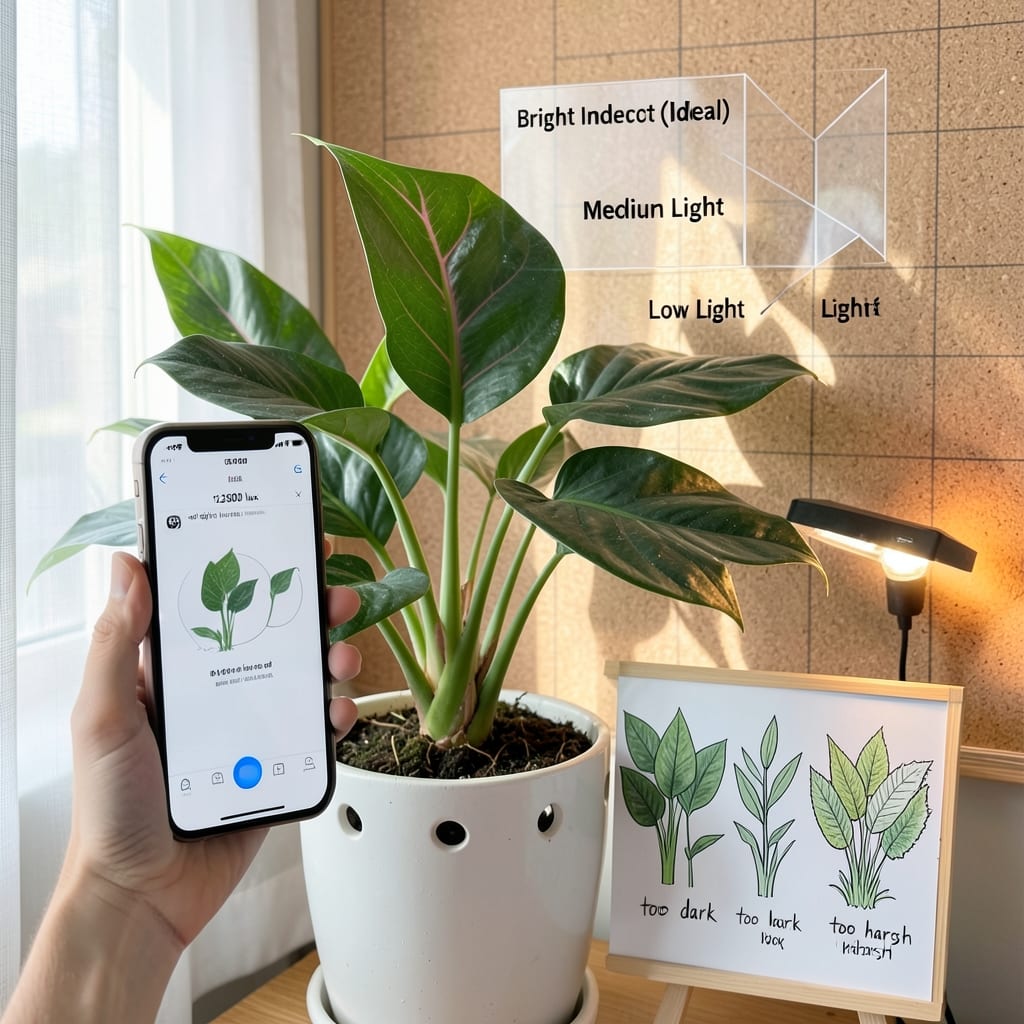
If your arrowhead plant 🌿 looks sad—stretched out, pale, or dropping leaves—it’s probably begging for the right amount of light, and the answer to how much light does an arrowhead plant need is the key to fixing it. The right amount of brightness isn’t just about survival; it’s the key to vibrant foliage and steady growth, and most plant parents get it wrong without realizing it.
Arrowhead plants thrive in bright indirect light, but they’re surprisingly adaptable. Too little light, and they’ll grow leggy; too much direct sun, and those gorgeous leaves can scorch. The secret lies in finding that sweet spot—whether you’re working with an east-facing window or need to supplement with artificial light.
I’ll break down exactly how much light your arrowhead plant 🌿 needs, from ideal window placements to troubleshooting signs of stress. You’ll learn how to adjust lighting for different varieties and fix common mistakes that keep your plant from reaching its full potential.
Ready to give your arrowhead plant the perfect glow? Let’s turn those dull leaves into lush, healthy growth in no time.

Arrowhead plant light requirements: the ideal brightness spectrum for healthy growth
The arrowhead plant (Syngonium podophyllum) thrives in bright indirect light, making it perfect for homes with east or west-facing windows. This means it needs plenty of natural light but should be shielded from harsh midday sun, which can scorch delicate leaves. Think of it like a sunbather who loves warmth but avoids burning—just enough light to fuel growth without causing stress.
Most arrowhead plants do well with 4 to 6 hours of bright, filtered light daily. If your plant is placed too far from a window, it’ll stretch toward the light (a condition called etiolation), producing long, weak stems and sparse foliage. On the flip side, too much direct sun—especially afternoon rays—can cause brown patches or crispy edges on the leaves, signaling sunburn.
Here’s the golden rule: bright indirect light is non-negotiable for arrowhead plants. If you’re unsure whether your space meets this requirement, observe your plant’s leaves. Healthy arrowhead leaves are vibrant green with arrow-shaped patterns, while stressed leaves may turn yellow, pale, or develop brown spots. Pay close attention to these visual cues—they’re your plant’s way of communicating!
🌿
🌱 Arrowhead Plant Light Requirements Summary
| Light Condition | Ideal Placement | Signs of Correct Light |
|---|---|---|
| Bright Indirect Light | East or west window, 1-3 feet away | Vibrant green leaves, compact growth |
| Low Light | North-facing window or room corner | Leggy stems, pale leaves, slow growth |
| Direct Sunlight | South window or outdoor exposure | Brown leaf tips, crispy edges, yellowing |
If your home lacks natural light, don’t worry—arrowhead plants are adaptable. They can tolerate moderate indirect light, though growth may slow down. In such cases, supplement with a grow light (LED bulbs with a cool white or full-spectrum spectrum work best) for 12 to 14 hours daily. Position the light 6 to 12 inches above the plant and adjust as it grows to maintain consistent brightness.
For those with variegated arrowhead plants, the light requirements are slightly stricter. Variegated varieties (like 'Pink Splash' or 'White Butterfly') need more light to maintain their striking patterns. Without enough brightness, the white or pink hues may fade, leaving you with a dull, all-green plant. So, if you’re growing a variegated type, aim for the brightest indirect light your space offers.
Another pro tip: Rotate your arrowhead plant every 2 to 4 weeks. This ensures even growth and prevents the plant from leaning toward one light source. A simple quarter-turn keeps the stems straight and the leaves evenly colored. It’s a small effort that makes a big difference in your plant’s appearance!
Finally, watch for seasonal changes. In winter, when natural light dims, your arrowhead plant may need extra care. Move it closer to a window or extend its light exposure with a grow light. Conversely, in summer, use sheer curtains to filter the intense midday sun and protect those delicate leaves from damage.
By mastering these light rules, you’ll give your arrowhead plant the perfect environment to thrive. Soon, you’ll be rewarded with lush, arrow-shaped leaves and a plant that’s the envy of every plant lover!
☀️
How to adjust light for arrowhead plants: fixing common lighting mistakes
Even with the right light requirements in mind, many arrowhead plants still struggle because their placement isn’t adjusted over time. The key to fixing common lighting mistakes lies in proactive adjustments—small changes that prevent long-term damage. If your plant is growing leggy or developing yellow leaves, it’s likely a sign that its light conditions need immediate attention.
One of the first steps is rotating your arrowhead plant every 2 to 4 weeks. Plants naturally grow toward light sources, causing uneven stems and lopsided foliage. A simple quarter-turn ensures all sides receive equal exposure, promoting balanced growth. This is especially important if your plant is near a single window—without rotation, one side will stretch toward the light while the other remains weak.
🌿
⚠️ Common Lighting Mistakes & Fixes
Mistake:
Placing your arrowhead in direct afternoon sun causes leaf scorch (brown, crispy edges).
Fix:
Move to 3 feet from a west-facing window or use sheer curtains to diffuse harsh rays.
Mistake:
Keeping it in low light leads to etiolation (long, weak stems).
Fix:
Relocate to bright indirect light (e.g., east window) or add a grow light 6-12 inches above.
Mistake:
Ignoring seasonal light changes (e.g., shorter winter days).
Fix:
Supplement with 12-14 hours of grow light during winter or move closer to a south-facing window.
If your home lacks natural light, a grow light is your best friend. For arrowhead plants, LED grow lights with a cool white or full-spectrum bulb are ideal. Position the light 6 to 12 inches above the plant and keep it on for 12 to 14 hours daily. Avoid fluorescent bulbs—they emit less light intensity and may not provide enough energy for optimal growth.
For variegated arrowhead plants, lighting adjustments are even more critical. These varieties need more light to maintain their striking patterns. If you notice the white or pink hues fading, it’s a clear sign your plant needs brighter conditions. Consider placing it near a south-facing window with filtered light or supplementing with a grow light to keep those colors vibrant.
Another often-overlooked trick is using reflective surfaces to maximize light. Place your arrowhead plant near a white wall or mirror, which can bounce extra light onto the leaves. This simple hack can make a noticeable difference in low-light conditions, helping your plant thrive without needing a grow light.
Finally, always monitor your plant’s response to changes. If you’ve adjusted the light but still see yellowing leaves or slow growth, reassess the placement. Sometimes, the issue isn’t the light itself but overwatering or poor drainage caused by stress. Keep an eye on both light and care habits to ensure your arrowhead plant stays healthy and happy.
✂️