
Light Requirements
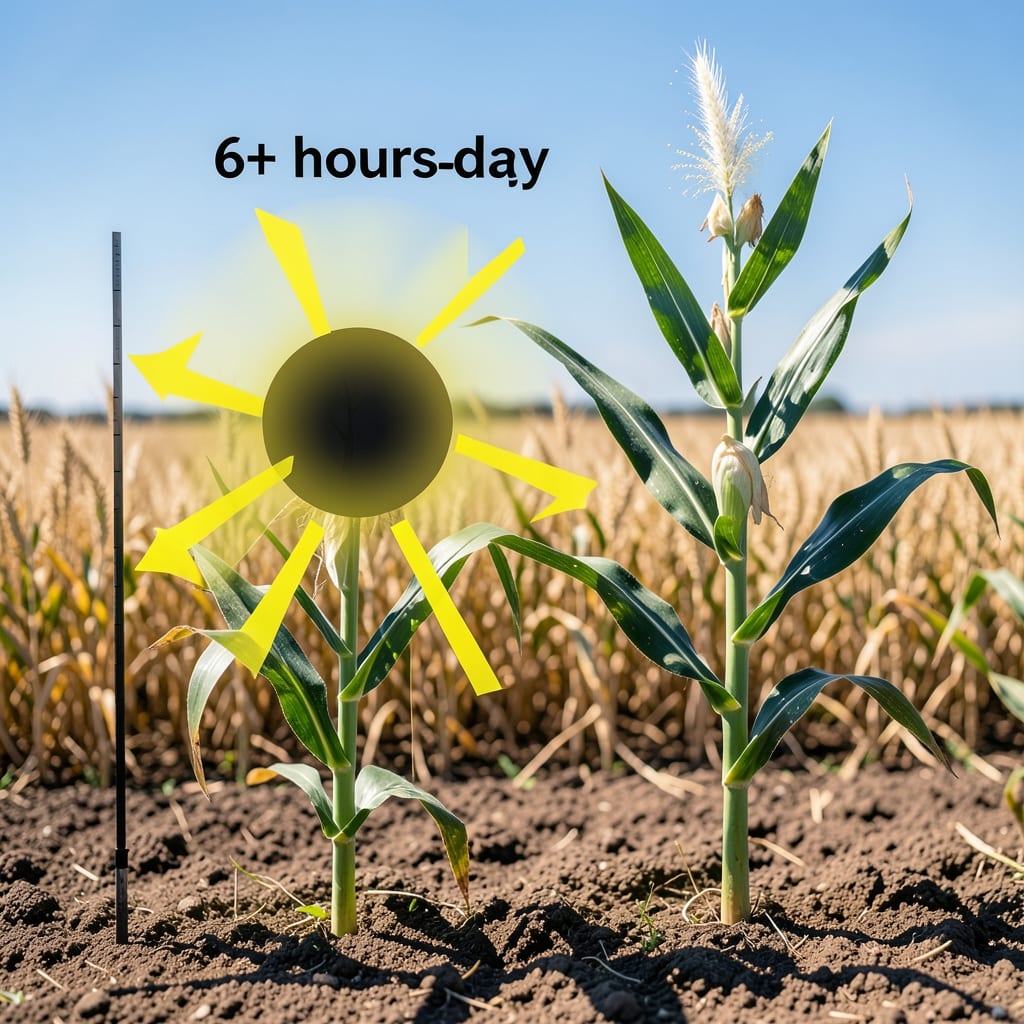
If your 🌽 corn plants are struggling to stand tall or their leaves look pale and weak, you might be missing how much light does a corn plant need to thrive. Corn isn’t just another houseplant—it’s a sun-worshipper that demands bright, direct light to grow strong stalks and sweet ears.
Most gardeners know corn thrives in full sun, but how much is enough? The answer isn’t just about hours—it’s about intensity. Without the right balance, your plants may stretch awkwardly toward the light or produce tiny, underdeveloped ears. I’ll break down exactly how to give your corn the perfect light conditions, whether you’re growing it in your backyard or on a sunny windowsill.
From adjusting for partial shade to recognizing the telltale signs of light deprivation, this guide will help you avoid common mistakes. Whether you’re in USDA Zone 6a or dealing with shorter summer days, you’ll learn how to keep your corn happy and productive from planting in April to harvest in September.
Ready to transform weak, leggy plants into sturdy, ear-producing powerhouses? Let’s dive into the sunlight secrets that will make your corn stand tall—and taste even better.

Optimal light requirements for corn plants: sunlight intensity breakdown
Corn plants are sun-hungry giants that demand 6-8+ hours of direct sunlight daily to grow their iconic stalks and sweet ears. Unlike shade-tolerant leafy greens, corn needs full sun exposure to perform photosynthesis efficiently, especially during its vegetative and reproductive stages. Without enough light, your plants will stretch toward the sun, produce weak stalks, and develop small, underdeveloped ears.
In USDA Zone 6a, where corn thrives, summer days provide 14-16 hours of daylight, but even then, cloud cover or tall buildings can reduce effective sunlight. The key isn’t just hours—it’s light intensity. Direct sun (not filtered through trees) is critical, as it delivers the high-energy photons corn needs for robust growth.
If you’re growing corn in containers or indoors, the challenge increases. A south-facing window may only provide 3-4 hours of direct light on a cloudy day, far below the 6+ hours corn craves. This is why many urban gardeners turn to grow lights or reflective surfaces to maximize light exposure.
Now, let’s break down the exact sunlight requirements for corn at each growth stage, from seedling to harvest, so you can give your plants the perfect light prescription.
| Growth Stage | Daily Sunlight Needs | Light Intensity | Signs of Insufficient Light |
|---|---|---|---|
| Seedling (0-2 weeks) | 4-6 hours | Bright indirect | Leggy, pale stems |
| Vegetative (3-6 weeks) | 6+ hours | Full sun | Slow leaf growth |
| Tasseling (7-9 weeks) | 8+ hours | Direct sun | Weak tassels, poor pollination |
| Ear Development (10-12 weeks) | 8+ hours | Full sun | Small, underdeveloped ears |
The tasseling stage (when the plant produces pollen) is the most critical for sunlight. If your corn isn’t getting enough light during this phase, you’ll see weak tassels or poor pollination, leading to fewer or smaller ears. Even a 2-hour reduction in sunlight during this time can cut ear production by 30-50%.
For indoor growers, a south-facing window is ideal, but you’ll likely need a grow light to supplement. LED grow lights with a full-spectrum output (including red and blue wavelengths) mimic natural sunlight and can provide the 12-16 hours of light corn needs daily. Place the light 6-12 inches above the plants and adjust as they grow.
Outdoors, afternoon shade (especially in hot climates) can be beneficial for preventing stress, but morning sun is non-negotiable. If your garden has obstructed sunlight, consider reflective surfaces like white walls or mirrors to bounce extra light onto your corn plants. Even a 20% increase in reflected light can improve growth significantly.
One common mistake is assuming "bright indirect light" is enough for corn. While seedlings can tolerate it, mature plants will stretch toward any available light source, a condition called etiolation. This results in weak stalks that can’t support heavy ears. To prevent this, rotate your plants quarter-turns every 2-3 days to ensure even light exposure.
Pro tip: Use a light meter (or a free app like Light Meter) to measure the foot-candles in your growing area. Corn thrives in 10,000+ foot-candles of light—about the intensity of direct midday sun. If your reading is below 5,000 foot-candles, supplement with a grow light immediately.
Signs your corn plant isn’t getting enough light (and how to fix it)
If your corn plants are stretching unnaturally tall with pale, yellowing leaves, they’re crying out for more light. These are classic signs of light deprivation, where your plants stretch toward any available light source in a desperate bid for energy. This condition, called etiolation, weakens stalks and reduces ear production. The good news? Recognizing these symptoms early gives you time to adjust before your harvest suffers.
Another red flag is slow or stunted growth. Healthy corn should grow 1-2 inches per day during peak season. If your plants are barely putting on height after weeks of growth, insufficient light is likely the culprit. Even the leaves themselves tell a story—look for smaller-than-normal leaves or leaves that develop yellow patches between veins, a sign of chlorosis caused by poor light absorption.
🚨 WARNING: Weak tassels or poor pollination are the most critical signs, especially during the 7-9 week tasseling stage. Without enough light, tassels may fail to emerge properly, or pollen won’t develop correctly. This leads to underdeveloped ears or even no ears at all. If you notice tassels that are small, sparse, or drooping, it’s a clear signal your plants need more light immediately.
Light Deprivation Alert: 3 Critical Fixes
- Move to sunnier spot: Relocate plants to south-facing windows or full-sun garden beds immediately.
- Add grow lights: Use LED grow lights 12-16 hours/day, 6-12 inches above plants.
- Rotate plants: Turn quarter-turns every 2-3 days to prevent etiolation and ensure even growth.
For indoor growers, the solution often involves supplemental lighting. A south-facing window may provide only 3-4 hours of direct light on cloudy days, far below the 6+ hours corn needs. Invest in a full-spectrum LED grow light that emits red and blue wavelengths—these are essential for photosynthesis and plant growth. Place the light 6-12 inches above your plants and adjust as they grow taller.
Outdoors, obstructed sunlight from buildings, trees, or other plants can also cause light deprivation. If your garden has partial shade, consider pruning nearby foliage or using reflective surfaces like white walls or mirrors to bounce extra light onto your corn. Even a 20% increase in reflected light can make a noticeable difference in plant health and ear development.
Don’t wait until your plants are severely stretched or yellowed to act—preventative measures are key. If you’re planting corn in early spring or late summer, when daylight hours are shorter, plan to use grow lights from the start. For container growers, choose the sunniest spot in your home and rotate pots regularly to ensure all sides receive equal light exposure.
Pro tip: If you notice leaf burn (brown, crispy edges) after moving plants to a sunnier spot, they’re adjusting to more light. This is normal and temporary—just gradually increase sunlight exposure over 5-7 days to avoid shocking the plants. With the right light conditions, your corn will bounce back quickly and produce healthy, sweet ears.