
Light Requirements
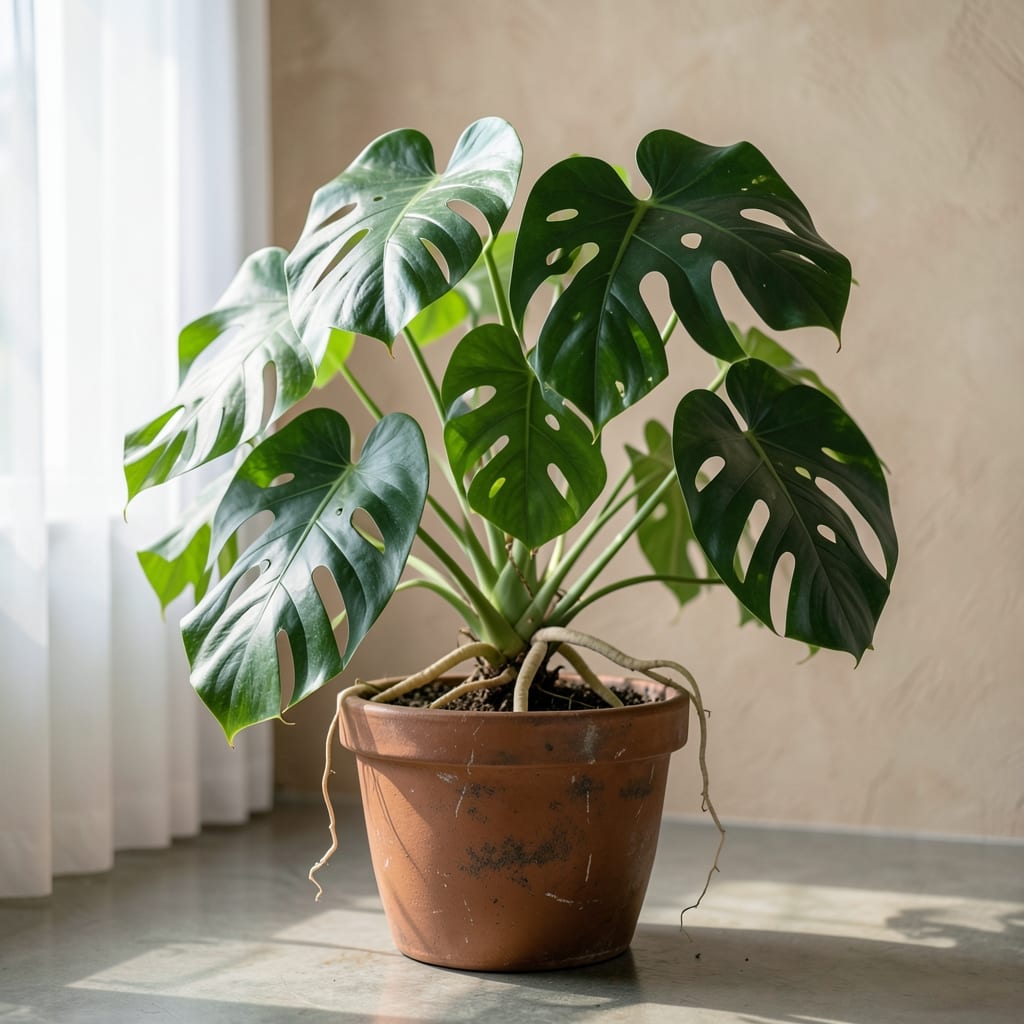
Figuring out how much light for Swiss Cheese Plant success can feel like solving a puzzle—especially when you’re staring at those stunning variegated leaves that refuse to stay vibrant. The truth is, most people either overdo it with harsh sunlight or underestimate what this plant really craves, leaving you with leggy stems or dull foliage.
Your Swiss Cheese Plant 🌿 thrives in bright indirect light, but it’s not as picky as you might think. Whether you’re dealing with a cozy corner or a sun-soaked windowsill, understanding the balance between too much and too little light is the key to keeping those iconic split leaves looking their best. Let’s break down exactly what your plant needs—and how to spot when it’s not getting enough.
If you’ve ever watched your plant stretch toward the window like it’s reaching for a snack, you’re not alone. The good news? Adjusting light exposure can transform that sad, sparse growth into lush, healthy foliage in just a few weeks. I’ll show you how to diagnose the signs, pick the perfect spot, and even use artificial light to keep your Swiss Cheese Plant happy year-round.
Ready to stop guessing and start growing? By the end of this guide, you’ll know exactly where to place your plant—whether it’s basking in morning sun or thriving under a grow light—and how to keep those leaves looking like they stepped straight out of a botanical magazine.
 Best Window Placement
Ideal light requirements for swiss cheese plant growth and variegation
The Swiss Cheese Plant (Monstera deliciosa) thrives in bright indirect light, but many gardeners struggle to provide the perfect balance. Too little light causes pale, stretched leaves, while too much direct sun scorches those beautiful fenestrated patterns. Let’s break down exactly what your plant needs to stay lush and vibrant.
In nature, these tropical plants grow under the canopy of rainforests, where sunlight filters through leaves. Recreating this environment indoors means placing your Swiss Cheese Plant near a north or east-facing window. These spots provide gentle morning light without harsh afternoon rays. If you notice yellowing leaves or brown spots, it’s a clear sign the light conditions need adjustment.
Here’s the golden rule: 4-6 hours of bright indirect light daily is ideal. This means positioning your plant within 2-3 feet of a window where it receives soft, diffused sunlight. Avoid placing it directly in front of a south or west-facing window, as direct sunlight can bleach the leaves and cause sunburn.
A common misconception is that variegated Swiss Cheese Plants need more light than their green counterparts. While they do appreciate slightly brighter conditions, they still prefer indirect exposure. Over time, insufficient light leads to smaller leaves with fewer holes and a loss of the stunning variegation that makes this plant so popular.
Seasonal changes also affect light needs. During winter months, when natural light is weaker, supplement with a grow light if you notice new growth slowing. In contrast, during summer months, you may need to move your plant slightly away from the window to prevent overheating.
Let’s compare the ideal light conditions for your Swiss Cheese Plant across different scenarios to help you make the best choice for your home setup:
| Light Condition | Best For | Leaf Impact | Adjustment Needed |
|---|---|---|---|
| Bright Indirect Light | Healthy Growth | Large, fenestrated leaves | None |
| Low Light | Survival Only | Small, pale leaves | Move closer to window |
| Direct Sunlight | Risk of Damage | Brown spots, bleached leaves | Move to indirect light |
| Artificial Grow Light | Year-Round Growth | Consistent variegation | 12-14 hours/day |
If you’re still unsure about your home’s lighting, observe your plant’s response over a few weeks. The key is to find a balance between light and shade. For example, placing your Swiss Cheese Plant in a spot where it gets morning sun and afternoon shade is perfect. If you have a west-facing window, use a sheer curtain to diffuse the light and prevent leaf scorch.
Pro tip: Rotate your plant every 2-4 weeks to ensure even growth. This prevents one side from leaning toward the light, which can make your plant look lopsided. A well-lit Swiss Cheese Plant will reward you with bold, variegated leaves and faster growth, making all the effort worthwhile.
Remember, every home’s lighting is unique. If your Swiss Cheese Plant starts showing signs of stress, don’t panic—small adjustments can make a big difference. With the right light, your plant will thrive and become the stunning focal point you’ve always wanted.
Ideal light requirements for swiss cheese plant growth and variegation
The Swiss Cheese Plant (Monstera deliciosa) thrives in bright indirect light, but understanding the nuances makes all the difference. Too little light leads to sparse, pale leaves, while too much causes sunburned spots or bleached variegation. The goal is 4-6 hours of filtered sunlight daily, mimicking its natural dappled forest floor habitat. This balance isn't just about leaf health—it directly impacts those iconic split leaves and vibrant variegation patterns.
Think of your plant’s ideal spot as a morning sun to afternoon shade scenario. East-facing windows provide perfect gentle morning light, while north-facing windows offer consistent indirect brightness. South-facing windows can work too, but only if your plant sits 3-5 feet back from the glass to avoid harsh afternoon rays. The key is observing how your plant responds—leaf color and growth rate will tell you if you’ve nailed the sweet spot.
| Light Condition | Leaf Appearance | Growth Rate | Variegation Impact |
|---|---|---|---|
| Bright Indirect (Ideal) | Deep green with vibrant splits | Moderate, compact | Striking white/yellow patterns |
| Low Light | Pale, small leaves | Slow, leggy stems | Faded or lost variegation |
| Direct Sunlight | Brown/yellow patches | Stunted growth | Bleached, dull patterns |
Seasonal adjustments are crucial because winter light is naturally weaker, especially in northern climates. If your plant starts looking leggy or sparse in winter, supplement with a grow light for 6-8 hours daily. I’ve seen dramatic turnarounds in just 4 weeks by adding a simple LED grow bulb near my plant during shorter days. The secret is consistency—your Swiss Cheese Plant won’t tolerate sudden light changes, so rotate it quarter-turns weekly to ensure even growth.
For those with variegated varieties, light becomes even more critical. These plants need slightly more brightness to maintain their white or yellow patterns, which are essentially solar panels that require light to stay vibrant. If you notice the variegation fading to solid green, it’s a clear sign your plant needs more indirect light. The good news is that once you find the right balance, these patterns will intensify over time, creating that showstopping foliage you love.
Pro tip: Use a light meter or your phone’s lux app to check light levels. Aim for 10,000-20,000 lux of indirect light—this range keeps your plant thriving without risking burnout. If you’re unsure about your space, start with a north-facing window and monitor for 2 weeks before making adjustments. Patience is key here; your Swiss Cheese Plant will thank you with lush, healthy growth and those coveted split leaves.
Remember, every home’s lighting is unique. What works for one plant in a south-facing window might scorch another just a few feet away. The beauty of the Swiss Cheese Plant is its adaptability—once you understand these light principles, you’ll be able to troubleshoot and adjust with confidence. 🌿