
How To
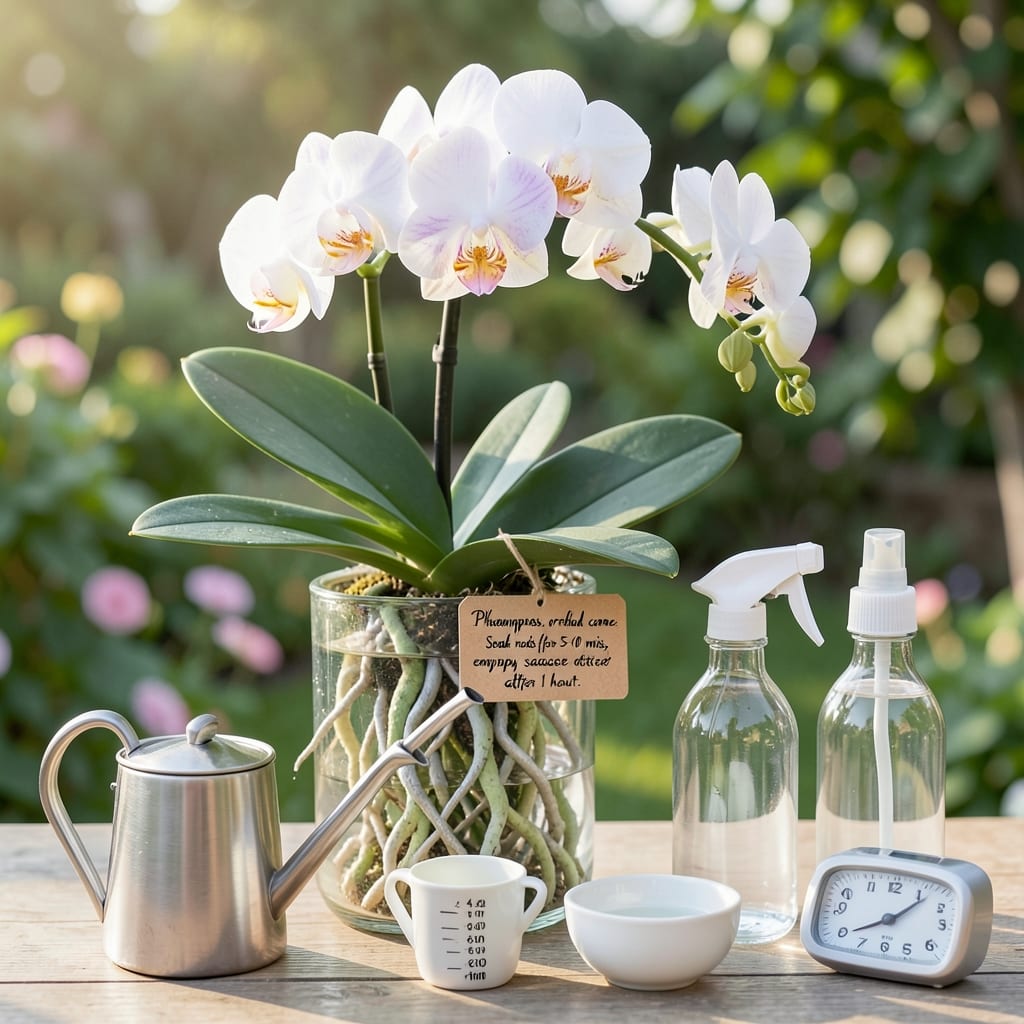
The ideal water-to-vase ratio for orchids by pot size
Orchids need precise watering—too much drowns their roots, while too little causes wilting. The perfect water-to-vase ratio depends on your orchid's pot size and your home's humidity levels. Unlike thirsty houseplants, orchids store water in their pseudobulbs, so they prefer dry spells between waterings. Let’s break down the science-backed measurements to keep your orchids blooming for weeks.
For small vases (4-6 inches), use just ¼ to ½ cup (60-120ml) of water. These tiny pots dry out faster, so even a small orchid like Phalaenopsis only needs enough to moisten the roots without soggy soil. Always check the potting mix—if it’s still damp, wait another day. Overwatering in small pots leads to root rot within days, while underwatering causes leaves to pucker.
Medium vases (6-8 inches) hold the most common orchid sizes, like Cymbidium or Dendrobium. Fill the vase with ½ to ¾ cup (120-180ml) of water, enough to saturate the roots but leave room for air circulation. Let excess water drain completely for 10-15 minutes before placing back in its saucer. In low humidity (below 40%), water every 7-10 days; in high humidity (above 60%), stretch it to 10-14 days.
| Vase Size | Water Amount | Frequency (Low Humidity) | Frequency (High Humidity) |
|---|---|---|---|
| Small (4-6") | ¼–½ cup (60-120ml) | Every 5-7 days | Every 7-10 days |
| Medium (6-8") | ½–¾ cup (120-180ml) | Every 7-10 days | Every 10-14 days |
| Large (8"+) | ¾–1 cup (180-240ml) | Every 10-14 days | Every 14-21 days |
Large vases (8+ inches) accommodate mature orchids like Vandas or Cattleyas. Use ¾ to 1 cup (180-240ml) of water, but avoid submerging the roots—this mimics their epiphytic habitat in tropical trees. Let the mix dry 25-30% between waterings by inserting a chopstick or skewer into the soil. If it comes out clean, water again; if damp, wait.
Season matters too! In summer’s heat, orchids evaporate moisture faster, so increase water slightly (10-20% more) and water every 5-7 days. In winter’s dry air, reduce to bi-weekly watering and use a humidifier nearby to prevent leaf edges from browning. Pro tip: Room-temperature water is best—cold water shocks roots, while tap water’s chlorine or fluoride can burn delicate foliage.
Never let orchids sit in stagnant water—this is a fast track to root rot. After watering, tip the vase to drain excess, and never place it in a decorative saucer without holes. If your orchid’s leaves yellow or stems soften, flush the roots with room-temperature distilled water to remove built-up salts. For Phalaenopsis orchids, soak the pot in water for 5-10 minutes monthly to mimic tropical downpours.
Humidity tricks can extend your orchid’s bloom time. Place the vase on a pebble tray with water (but keep roots dry) or use a humidifier set to 50-70%. Avoid misting leaves—this can clog stomata and invite fungal infections. Instead, mist the air around the orchid in the morning for a light, refreshing spray. With the right water-to-vase ratio, your orchids will reward you with vibrant blooms for 3-6 months!
Remember: Orchids drink through their roots, not their leaves. If you’re unsure, underwater slightly—most orchids recover faster from thirst than from soggy roots. Adjust your routine every 2-3 months based on your orchid’s growth signals: new roots mean it’s happy; wilting means it’s thirsty.
Common orchid watering mistakes and how to Fix them
Even with the perfect water-to-vase ratio, orchids still suffer from watering blunders that shorten their bloom time. The most common mistake? Overwatering, which suffocates roots by cutting off oxygen. I’ve seen orchids go from lush to limp in just 48 hours when left sitting in saucers of standing water. Always empty saucers within 30 minutes of watering to prevent this silent killer.
Another frequent error is using tap water straight from the faucet. Chlorine and fluoride in municipal water can burn orchid roots, causing brown, crispy tips on leaves. Let tap water sit 24 hours before using, or switch to distilled or rainwater for sensitive varieties like Cymbidium. If you notice yellowing leaves, flush the roots with room-temperature distilled water for 5 minutes to flush out toxins.
Overwatering Signs: Yellow leaves, soft stems, foul odor from roots
Fix: Remove orchid from vase, trim black/mushy roots with sterilized scissors, repot in fresh mix, and reduce water to every 14 days.
On the flip side, underwatering causes leaves to pucker like dried-up raisins. Many beginners assume orchids need constant moisture, but their pseudobulbs store water—think of them as nature’s water tanks. If your orchid’s leaves feel lightweight or wrinkled, it’s begging for hydration. Soak the pot in room-temperature water for 10 minutes, then let it drain completely before returning to its spot.
Seasonal shifts catch gardeners off guard too. In summer’s heat, orchids evaporate moisture 30% faster, so I double-check soil moisture by inserting a wooden skewer. If it comes out dry after 5 days, it’s time to water. Conversely, in winter’s dry air, many overcompensate by watering too often, leading to root rot. Adjust your schedule by 25% less in cooler months and place a humidifier nearby to maintain ideal 50-70% humidity.
One overlooked mistake is watering at the wrong time. Morning is ideal because it gives roots 8+ hours to dry before evening. Watering at night traps moisture in the crown of the plant, creating a breeding ground for fungal infections like Botrytis blight. I set a phone reminder for 8 AM to avoid this common slip-up—consistency is key for orchid care.
For Phalaenopsis orchids, a monthly soak-and-drain routine works wonders. Fill a clean vase with 1 inch of water, submerge the pot for 5-10 minutes, then drain thoroughly. This mimics their tropical rainfall habitat while preventing waterlogged soil. If your orchid’s blooms wilt within hours of watering, it’s likely thirsty but dehydrated—trim spent blooms and increase humidity with a pebble tray.
Pro tip: Keep a watering journal to track your orchid’s response. Note the date, water amount, vase size, and humidity levels. Over 3 months, you’ll spot patterns—like how your 6-inch vase needs ¼ cup every 7 days in summer but only every 10 days in winter. This data-driven approach turns guesswork into orchid care mastery!