
How To
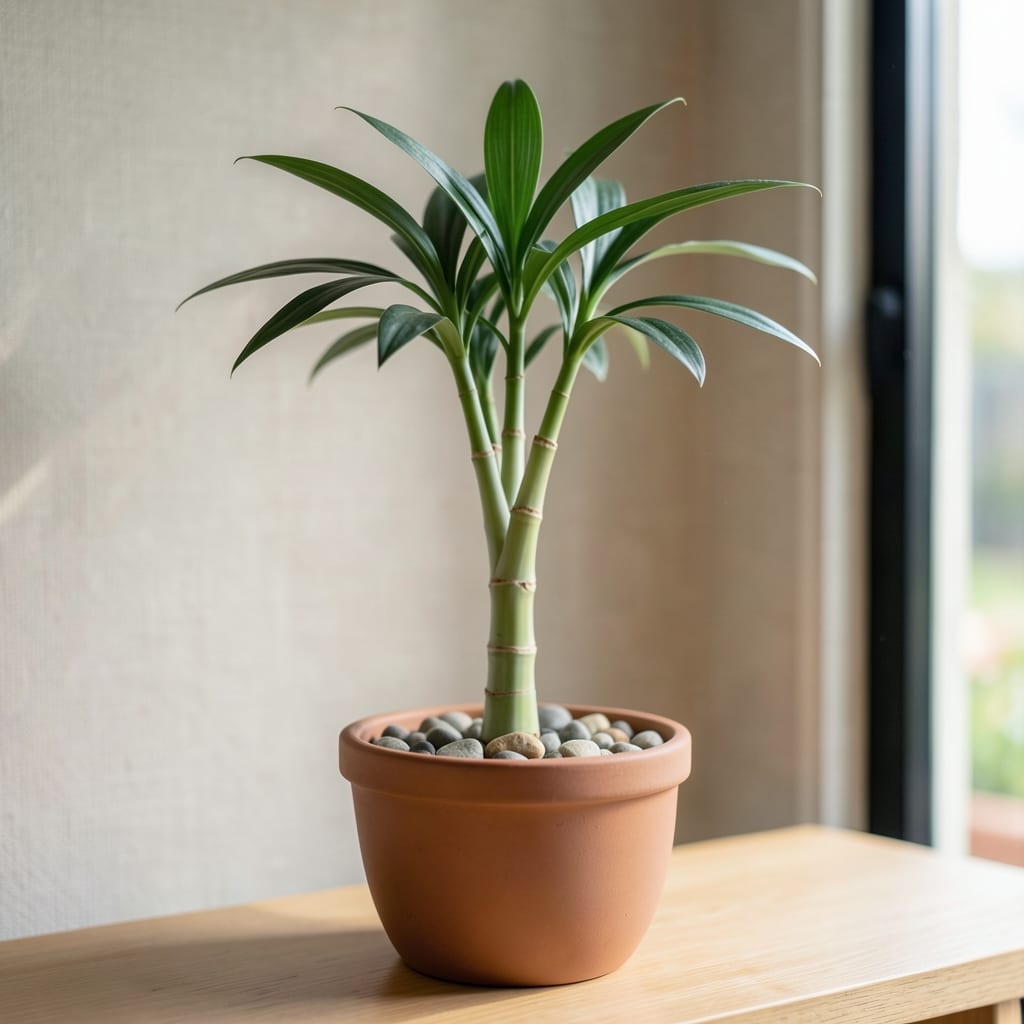
Wondering how tall bamboo grow in your yard? Some varieties can shoot up like jungle giants—reaching heights of 70+ feet—while others stay neatly contained at just 6 feet. The difference comes down to one key factor: whether your bamboo is a running or clumping type.
If you're imagining a lush, towering 🌿 bamboo grove but worry about it taking over your landscape, you're not alone. Many gardeners hesitate to plant bamboo because of its reputation for aggressive growth—but with the right variety and care, you can enjoy its beauty without the chaos. Let’s break down what determines bamboo’s height and how to keep it in check.
Clumping bamboo, for example, grows in tight clusters and rarely exceeds 30 feet, making it perfect for smaller spaces. Running bamboo, on the other hand, spreads rapidly and can soar to 100 feet if left unchecked. The good news? With the right strategies, you can control even the tallest varieties and turn them into a stunning, manageable feature in your garden.
Ready to learn which types stay small, which ones need barriers, and how to predict growth before planting? Let’s dive into the details so you can choose—and grow—the perfect bamboo for your space.


Clumping bamboo growth height: compact giants with controlled spread
If you love the look of bamboo but dread its invasive reputation, clumping bamboo is your perfect match. Unlike its aggressive cousins, these varieties grow in tight clusters, reaching heights from 3 to 40 feet while keeping their spread contained. Their natural growth habit makes them ideal for small gardens, urban landscapes, or even containers—without the risk of taking over your yard.
The key to their manageable size lies in their rhizome structure. Clumping bamboo produces short, vertical rhizomes that grow straight down, forming dense clumps rather than spreading outward. This means you won’t need rhizome barriers or constant pruning to keep them in check. Varieties like Fargesia (also called "panda bamboo") or Bambusa multiplex stay neatly within their planted boundaries, making them a gardener’s dream.
Here’s how their heights break down by category:
| Variety | Mature Height | Spread | Best For |
|---|---|---|---|
| Dwarf Clumping (e.g., Bambusa multiplex 'Tiny Bull') | 6–12 ft | 1–2 ft | Containers, small gardens |
| Fargesia (e.g., Fargesia nitida) | 10–20 ft | 2–3 ft | Shady gardens, privacy screens |
| Bambusa multiplex (e.g., 'Golden Goddess') | 20–30 ft | 3–4 ft | Tropical landscapes, borders |
| Borinda (e.g., Borinda heteroclita) | 30–40 ft | 4–5 ft | Large gardens, privacy hedges |
One of the biggest misconceptions about clumping bamboo is that it won’t grow tall. In reality, some varieties like Borinda heteroclita can reach 40 feet while still maintaining a controlled spread. The trade-off? They’ll need more space horizontally than dwarf varieties, but their vertical growth is what adds drama to landscapes and privacy screens.
For example, Fargesia nitida (also called "umbrella bamboo") grows 10–20 feet tall but stays under 3 feet wide, making it perfect for tight spaces. Its arching canes and lush foliage create a stunning, low-maintenance focal point without crowding other plants. If you’re working with limited space, this variety is a game-changer.
Another advantage of clumping bamboo is its adaptability to containers. Dwarf varieties like Bambusa multiplex 'Tiny Bull' thrive in 15–20 gallon pots, making them ideal for patios, balconies, or even indoor spaces with bright, indirect light. Just ensure the container has drainage holes and you repot every 2–3 years to accommodate root growth.
When planting clumping bamboo, focus on well-draining soil and partial shade to encourage healthy growth. Most varieties prefer morning sun and afternoon shade, especially in hot climates. Overwatering can lead to root rot, so aim for consistent moisture rather than soggy soil. A 2–3 inch layer of mulch will help retain moisture and suppress weeds.
If you’re planning to use clumping bamboo for privacy or screening, consider spacing plants 3–5 feet apart to allow for mature growth. Over time, their canes will fill in naturally, creating a dense, living barrier without the need for fences or unsightly structures. For faster results, you can plant multiple clumps in a staggered pattern.
One final tip: Prune clumping bamboo in late winter or early spring to remove dead or weak canes. This encourages new growth and keeps the plant looking its best. Avoid heavy pruning in summer, as it can stress the plant during its peak growing season. With the right care, your clumping bamboo will reward you with years of lush, low-maintenance beauty—without the headaches of invasive spread.
Ready to add some height and texture to your garden? Clumping bamboo is one of the easiest ways to do it—without the worry. 🌿
Running bamboo growth height: the sky’s the limit (and your yard’s worst nightmare)
If you’ve ever planted running bamboo without proper containment, you’ve likely experienced the nightmare of unchecked growth. These varieties don’t just grow tall—they spread aggressively, sending out long, horizontal rhizomes that can invade your entire yard if left unchecked. While some running bamboo varieties reach 70+ feet tall, their real danger lies in their underground expansion, which can outpace even the most ambitious garden plans.
The most notorious running bamboo, like Phyllostachys aureosulcata (also called "yellow grove bamboo"), can spread 10–20 feet per year and grow 50–70 feet tall. Without barriers, a single clump can double in size annually, smothering lawns, invading flower beds, and even cracking foundations. This is why many homeowners’ associations ban running bamboo—it’s not just tall, it’s relentless.
🚨 WARNING: Running bamboo’s rhizomes can grow up to 3 feet underground and 20 feet horizontally per year. Even if you plant it 20 feet away from your house, its roots may still find a way to infiltrate your property lines. This makes containment non-negotiable if you choose this type.
- Height: 30–70+ ft (some species exceed 100 ft)
- Spread: 10–20 ft per year (underground rhizomes)
- Containment Required: YES (rhizome barriers mandatory)
- Best For: Large properties with dedicated planting zones
But not all running bamboo is equally invasive. Some varieties, like Phyllostachys bissetii (a 30–40 foot variety with golden canes), grow tall but spread more slowly if managed properly. The key is understanding rhizome behavior: running bamboo produces long, creeping rhizomes that form new shoots far from the parent plant, while clumping bamboo stays put. This fundamental difference is why running bamboo requires physical barriers—often 3-foot deep underground—to prevent escape.
For example, Phyllostachys nigra (black bamboo) can reach 60 feet tall and spread 15 feet per year if unchecked. However, with a concrete or metal rhizome barrier installed at planting, you can contain its spread while still enjoying its dramatic height. The barrier must extend at least 2 feet deeper than the bamboo’s rhizomes (typically 3 feet deep) to be effective.
If you’re considering running bamboo for its towering presence, here’s what you need to know: height isn’t the only concern. The real challenge is horizontal control. Even dwarf running varieties like Phyllostachys heteroclita (which grows 15–20 feet tall) can spread 5–10 feet per year. Without barriers, they’ll eventually take over your yard, forcing you into costly removal projects.
So, is running bamboo worth the risk? Only if you’re prepared to invest in containment and monitor its growth closely. For most homeowners, the peace of mind from clumping bamboo makes it the safer—and often more stunning—choice. But if you’re drawn to the dramatic heights of running varieties, plan accordingly. 🌳