
Trees
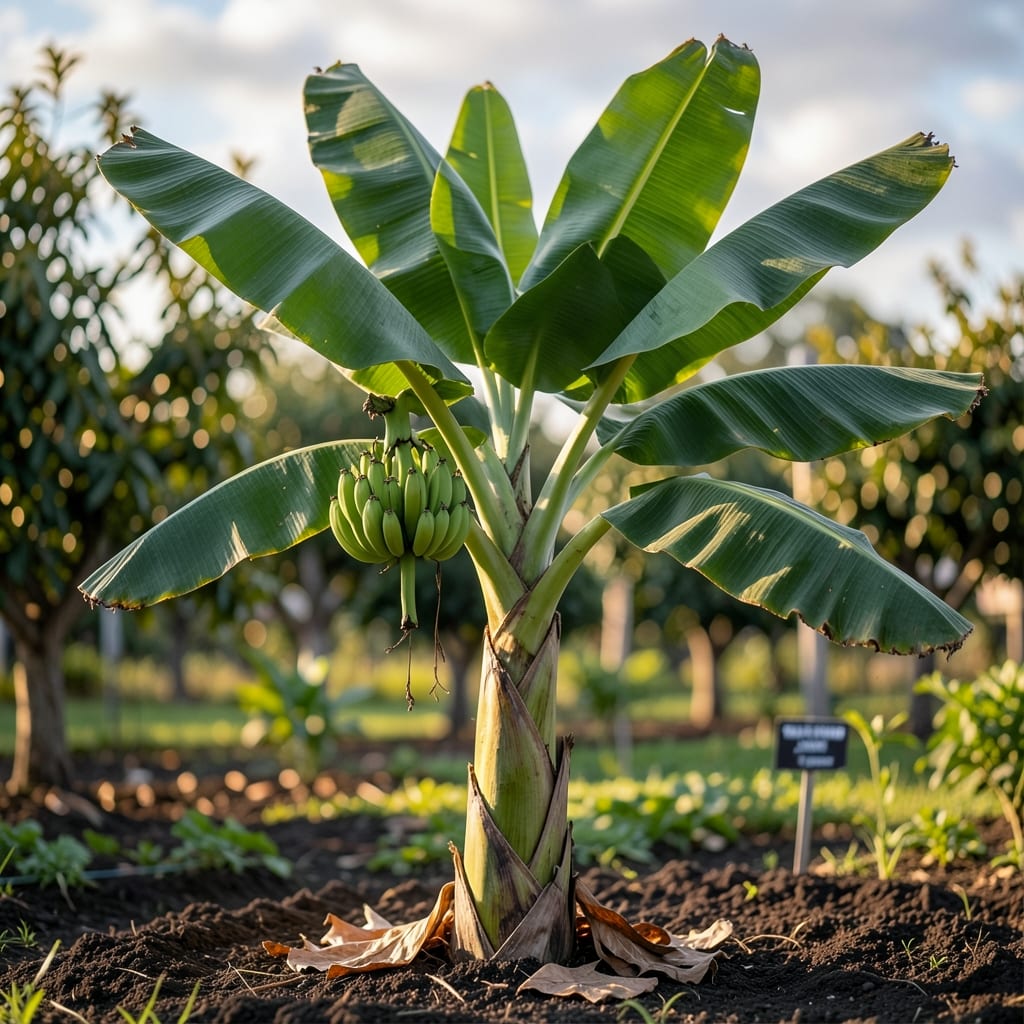
Ever wondered how tall a banana tree can grow compared to your neighbor’s? The truth is, some varieties reach towering heights of 30 feet while others barely clear 10 feet—and the difference comes down to more than just luck.
If you’re dreaming of a lush, productive banana tree in your tropical or subtropical garden, understanding its growth potential is the first step. Whether you’re working with a dwarf Cavendish or a hardy Gros Michel, knowing what to expect—and how to nurture it—can mean the difference between a modest harvest and a jungle-sized bounty. Let’s break down exactly how tall these giants can grow and what you can do to help them reach their full height.
Most banana trees take 12-18 months to mature, but their final height depends on variety, climate, and care. Dwarf varieties stay compact, while standard types stretch skyward, making them a stunning (and edible!) focal point. The key? Giving your tree the right conditions to thrive—from sunlight to soil—so it grows faster and taller than you ever thought possible.
Ready to unlock the secrets of banana tree growth? We’ll cover everything from height benchmarks by variety to pro tips for maximizing your tree’s potential. No more guesswork—just science-backed advice to help your banana tree reach new heights.


Banana tree height by variety: from dwarf to giant species
Banana trees aren’t one-size-fits-all—some varieties stay as short as a 6-foot-tall person, while others tower over 30 feet, rivaling small trees. The difference comes down to genetics, growing conditions, and maturity. If you’re choosing a variety, start by matching its height potential to your space and climate. For example, Dwarf Cavendish bananas (the supermarket staple) max out at 8-12 feet, making them perfect for containers or small yards.
On the other end of the spectrum, Gros Michel and Red Dacca varieties can reach 20-30 feet in ideal conditions, turning your garden into a tropical oasis. Even within "standard" varieties, height varies—some mature at 15 feet while others stretch toward 25 feet. The key is understanding your tree’s growth trajectory from seedling to maturity, which typically takes 12-18 months.
Here’s how height breaks down by stage: A 1-year-old banana tree is usually 2-5 feet tall, with dramatic growth spurts in its second year (reaching 6-10 feet). By year three, most varieties hit their mature height range, though dwarf types plateau earlier. The trick? Support their growth with proper care—because even a "dwarf" variety can stretch taller if given ideal conditions.
🌱
The Dwarf Cavendish is the most popular choice for home gardeners because its compact size (8–12 feet) fits almost anywhere. But don’t let the name fool you—even dwarf varieties can grow taller if given rich soil, full sun, and consistent water. For example, a potted Dwarf Cavendish might stay under 8 feet, while one planted in the ground could reach 12 feet or more.
If you’re aiming for a taller banana tree, focus on standard or giant varieties like Gros Michel or Red Dacca. These need space to stretch—plant them at least 10 feet from structures and consider staking for support. Just remember: The taller the variety, the longer it takes to mature. A 30-foot Red Dacca might not produce fruit until 24 months, while a Dwarf Cavendish could yield in as little as 12 months.
One common misconception is that banana trees grow indefinitely. In reality, they have a finite lifespan—most varieties produce 1-2 harvests before declining. However, they’ll continue growing taller until they’re pruned or damaged. To maximize height, avoid over-pruning the pseudostem (the "trunk"), as this can stunt growth. Instead, focus on removing only dead or diseased leaves.
🌿
For container growing, dwarf varieties are your best bet—even then, you’ll need a large pot (20+ gallons) to accommodate their root system. A 5-gallon bucket might work for a young tree, but it’ll limit height to 6-8 feet. If you’re growing in pots, choose a variety like Lady Finger, which tops out at 10-15 feet and adapts well to confined spaces with proper care.
Pro tip: If you’re in a cooler climate (USDA Zone 9b or below), opt for dwarf or semi-dwarf varieties—they’re more cold-hardy and easier to overwinter. Standard varieties rarely survive below 20°F, so protect them with mulch, containers, or row covers if you’re pushing their limits. Even a 10°F dip can damage leaves, slowing growth and reducing height potential.
🌳
How fast banana trees grow & what limits their height
Banana trees are fast growers—some varieties shoot up 3-6 feet per year under ideal conditions. But their speed depends entirely on the variety and environment. For example, a Dwarf Cavendish might reach 6 feet in its first year, while a Red Dacca could take 2 years just to hit 10 feet. The fastest-growing varieties, like Lady Finger, can add 4-5 feet annually during their prime growth phase (typically spring to early fall).
Growth isn’t linear—banana trees experience explosive spurts during warm months when temperatures hover between 75-85°F. In cooler climates (like USDA Zone 9b), growth slows dramatically below 60°F, which is why dwarf varieties thrive in temperate zones. Even in perfect conditions, a banana tree’s height potential is genetically capped, so a Dwarf Cavendish won’t suddenly grow like a Gros Michel no matter how much you pamper it.
🌱
- 1. Variety Matters Most: Dwarf Cavendish grows 3-5 ft/year; Red Dacca grows 1-2 ft/year.
- 2. Sunlight Accelerates Growth: 6+ hours of direct sun = 2x faster growth vs. partial shade.
- 3. Soil Nutrients = Fuel: Low potassium stunts height; balanced NPK (6-6-6) maximizes growth.
- 4. Water Stress Halts Growth: Drought for 2+ weeks can shrink height gain by 50%.
- 5. Pests & Disease Slow Growth: Banana aphids or fungus can reduce height by 30-40% if untreated.
One of the biggest growth limits is root competition. Banana trees have a shallow but expansive root system that spreads 2-3 times wider than their canopy. If roots are crowded or compacted (common in containers or clay soil), the tree diverts energy to roots instead of height. That’s why well-draining, loose soil with organic matter is critical—it lets roots expand freely, fueling upward growth.
Another hidden factor? Pruning mistakes. Over-pruning the pseudostem (the "trunk") can stunt height by 20-30%. Banana trees grow from the topmost leaf, so removing too many leaves reduces photosynthesis and slows vertical growth. The fix? Only prune dead or yellowing leaves—never more than 20% of the canopy at once.
🌿
Climate plays a huge role in growth speed. In tropical zones (USDA 10-12), banana trees grow continuously year-round, adding 5-7 feet annually. But in cooler zones (Zone 9b), growth stalls in winter, and trees may only gain 2-3 feet per year. To compensate, gardeners in temperate climates use row covers or containers to extend the growing season. Even a 10°F drop can trigger leaf damage, which slows height gain for weeks.
If you’re wondering why your banana tree stopped growing tall, check these 3 common culprits:
- Nutrient deficiency (yellow leaves = nitrogen lack; weak stems = potassium deficiency).
- Insufficient sunlight (partial shade reduces growth by 40%).
- Poor drainage (waterlogged roots = root rot, which halts height gain).
🌳
The good news? With the right care, you can boost growth by 30-50%. Start by testing soil pH (bananas thrive at 5.5-7.0) and adding compost for nutrients. Then, water deeply 2-3 times per week (morning is best) and fertilize every 4-6 weeks with a balanced tropical blend. Finally, protect from pests with neem oil or beneficial nematodes—healthy roots = taller trees!