
How To
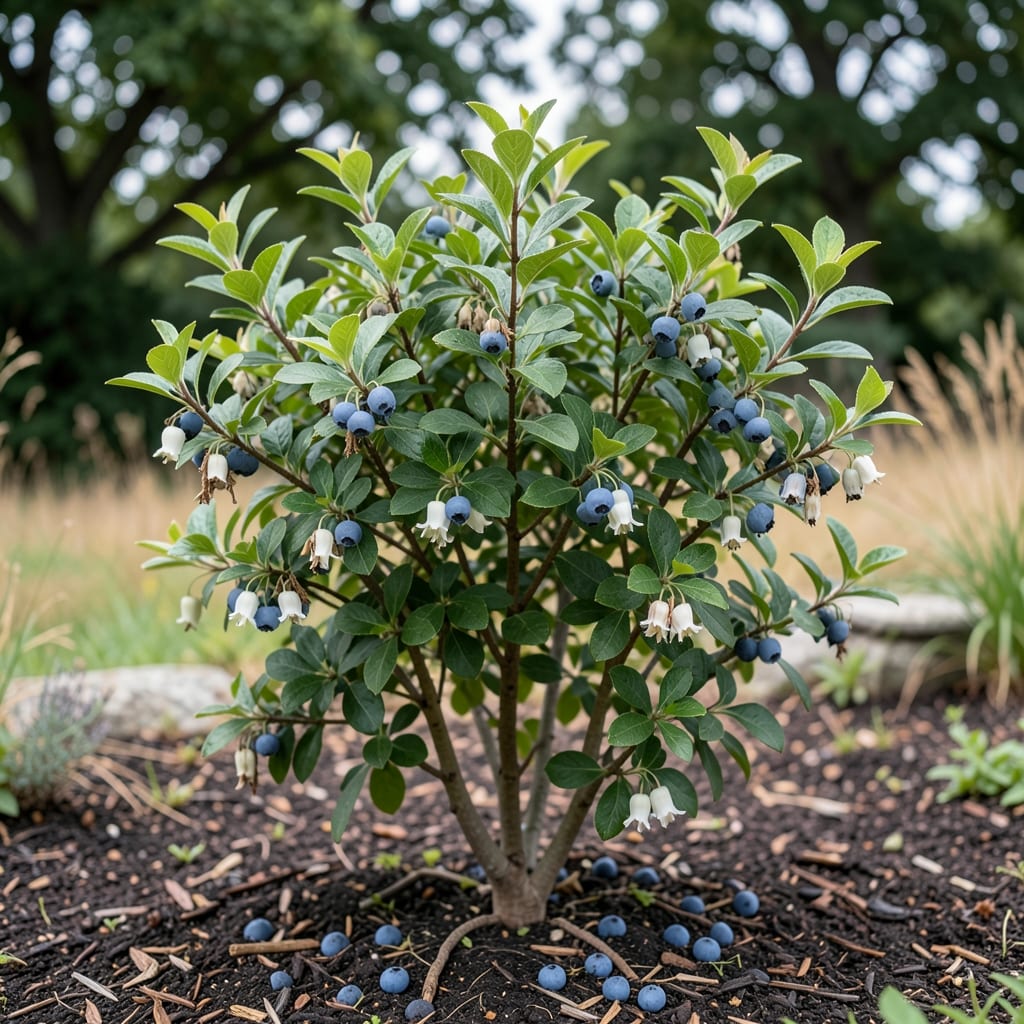
If you’ve ever wondered how tall blueberry bushes grow, the answer might surprise you—these 🫐 powerhouses can range from compact 2-foot dwarfs to towering 12-foot giants, depending on the variety and care you provide. In USDA Zone 6, where many gardeners plant their first bushes, the right size matters for everything from yield to pruning ease.
Choosing the wrong height can mean wasted space or overcrowded plants that struggle to thrive. Whether you’re dreaming of a 3-foot container-friendly bush or planning for a 10-foot backyard staple, understanding growth patterns is key. I’ll break down the exact heights you can expect from popular varieties—and how to keep them at your ideal size.
Pruning isn’t just about shaping; it’s the secret to controlling height while boosting berry production. A little strategic trimming can turn a 6-foot bush into a manageable 4-foot beauty without sacrificing harvests. Let’s dive into the varieties, the pruning tricks, and the space-saving tips that’ll make your blueberry patch a year-round success.
From dwarf ‘Top Hat’ bushes that fit on a patio to ‘Duke’ varieties that stretch toward the sky, your blueberry’s height is entirely in your hands. Ready to grow the perfect-sized bush for your garden? Let’s get started.


Blueberry bush height by variety: dwarf to giant sizes explained
Blueberry bushes aren’t one-size-fits-all—your choice of variety can mean the difference between a 2-foot patio bush and a 12-foot backyard giant. In USDA Zone 6, where cold winters and hot summers shape growth, selecting the right size is crucial for both space planning and harvest success. Some varieties stay compact naturally, while others stretch skyward unless pruned aggressively.
The key to understanding how tall blueberry bushes grow lies in their classification: dwarf, semi-dwarf, and standard. Dwarf varieties like ‘Top Hat’ max out at 2–3 feet, perfect for containers or small gardens. Semi-dwarfs like ‘Pink Lemonade’ reach 4–6 feet, ideal for hedges or small orchards. Standard types such as ‘Duke’ or ‘Bluecrop’ can tower to 10–12 feet without intervention.
Here’s where things get interesting: climate and care can push a bush taller or shorter than its “typical” range. For example, a ‘Bluecrop’ in Zone 6 might stay at 6 feet with regular pruning but explode to 10 feet if left unchecked. Southern highbush varieties (like ‘O’Neal’) thrive in warmer zones but can grow 8–12 feet tall, while northern highbush types (like ‘Patriot’) stay more manageable at 5–7 feet.
Soil acidity also plays a role—blueberries demand pH 4.5–5.5. If your soil is too alkaline, bushes may grow taller but leggier as they stretch for nutrients. Pair that with poor drainage, and you’ll get weak stems that flop under berry-heavy branches. Always test your soil before planting!
Now, let’s talk space. A 6-foot bush needs at least 4–5 feet of clearance on all sides for airflow and sunlight. Plant two standard bushes too close, and they’ll compete for resources, resulting in stunted growth and fewer berries. Dwarf varieties can handle 3 feet of space, making them ideal for urban gardens or raised beds.
Here’s a quick visual guide to help you compare popular varieties and plan your garden layout:
| Variety | Type | Mature Height | Best For | Spacing Needs |
|---|---|---|---|---|
| Top Hat | Dwarf | 2–3 ft | Containers, patios | 3 ft apart |
| Pink Lemonade | Semi-Dwarf | 4–6 ft | Hedges, small gardens | 4–5 ft apart |
| Bluecrop | Standard | 6–10 ft | Backyards, orchards | 5–6 ft apart |
| Duke | Standard | 10–12 ft | Large properties | 6–8 ft apart |
| Patriot | Northern Highbush | 5–7 ft | Cold climates (Zone 3–6) | 4–5 ft apart |
Pro tip: If you’re short on space, interplanting—placing a dwarf variety like ‘Top Hat’ in front of a taller ‘Bluecrop’—creates a stunning layered effect while maximizing vertical growth. Just ensure the taller bush gets full sun at the top and the dwarf gets dappled shade below.
Age also affects height. In their first year, blueberry bushes grow just 1–2 feet tall, with most of their energy focused on root establishment. By year two, they’ll shoot up to 3–4 feet, and by year three, you’ll see the full mature shape emerge. Patience pays off—rushing to prune young bushes can delay fruiting for years.
One common mistake? Assuming all blueberries grow the same. A ‘Duke’ bush left unpruned in your backyard could block sunlight for your entire garden by year five. Always check the variety’s tags for mature height estimates and adjust your planting plan accordingly.
Ready to pick your perfect bush? Start by measuring your space, testing your soil, and choosing a variety that fits your goals—whether that’s a compact container bush or a tall backyard staple. Your future blueberry harvest depends on it! 🌱
Blueberry bush height by variety: dwarf to giant sizes explained
Blueberry bushes aren’t one-size-fits-all—some stay small enough for a container garden, while others grow tall enough to block sunlight from neighboring plants. The variety you choose determines whether your bush will top out at 3 feet or stretch toward 12 feet. In USDA Zone 6, where many gardeners plant blueberries, the right variety can mean the difference between a manageable shrub and a backyard giant.
Dwarf varieties like 'Top Hat' and 'Peach Sorbet' max out at 2–3 feet, making them perfect for patios, balconies, or small urban gardens. These compact bushes produce plenty of berries without requiring deep soil or wide spacing. Meanwhile, standard varieties like 'Duke' or 'Bluecrop' can reach 10–12 feet, needing ample space and regular pruning to keep them in check.
Here’s how the most popular blueberry varieties stack up in height—and what that means for your garden plan:
Climate and soil also play a role in height. In cooler zones like Zone 6, northern highbush varieties (e.g., 'Bluecrop') grow more compactly than southern highbush types (e.g., 'Climax'), which can sprawl if unchecked. Acidic soil (pH 4.5–5.5) and consistent moisture encourage healthier, more controlled growth, while poor soil or drought stress can lead to leggy, overgrown bushes.
If you’re working with limited space, dwarf varieties are your best bet—they thrive in 5-gallon containers and produce just as many berries as their taller cousins. For larger properties, taller varieties offer higher yields but require regular pruning to prevent them from shading out other plants. Always check the spacing recommendations on seed packets or nursery tags to avoid crowding.
Pro tip: If you love the idea of a tall blueberry bush but lack the space, consider espalier training. This technique flattens the bush against a fence or trellis, keeping it manageable while maximizing berry production in tight spots. With the right variety and care, you can grow blueberries at any height—without sacrificing flavor or yield.