
How To
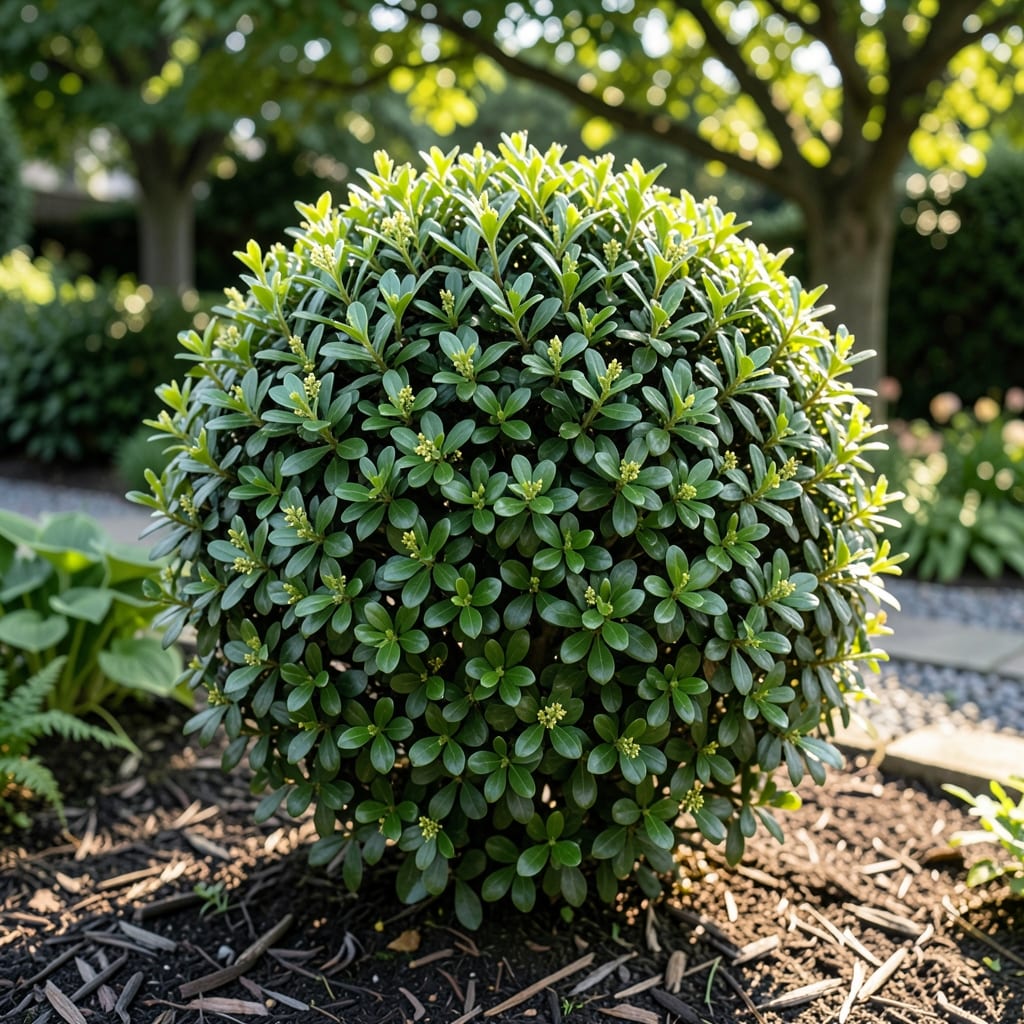
If you’ve ever wondered how tall boxwood grow and whether they’ll stay neatly compact or shoot up unexpectedly, the answer depends more on the variety you choose than you might think. These evergreen shrubs—like the 🌿 boxwood you see lining driveways or shaping topiary—can range from just 1 foot tall to towering over 15 feet, depending on their genetics and how you prune them.
For gardeners in USDA Zone 6a, where spring planting is ideal, selecting the right boxwood is key to achieving your vision. Dwarf varieties stay low and tidy, perfect for borders, while taller types can create stunning privacy screens or dramatic focal points. The trick is knowing which one fits your space—and how to guide its growth with smart pruning.
In this guide, I’ll break down the height ranges by popular boxwood varieties, from miniature options under 3 feet to standard shrubs reaching 10+ feet. You’ll also learn how pruning techniques can keep your boxwoods at your desired height, whether you want a neat hedge or a sculpted masterpiece.
Whether you’re planning a new landscape or maintaining an existing one, understanding these growth patterns will help you design with confidence. Let’s dive into the specifics so you can pick the perfect boxwood—and keep it exactly where you want it.


Boxwood height ranges by variety: from dwarf to tall
When planning your garden, knowing how tall boxwood grow helps you choose the perfect variety for your space. Boxwoods naturally fall into three height categories: dwarf (1-3 ft), semi-dwarf (3-6 ft), and standard (6-15 ft). The variety you pick determines whether your boxwood stays low and tidy or grows into a towering shrub.
For example, 'Green Mountain' and 'Little Gem' stay under 3 feet, ideal for edging walkways or lining small garden beds. Meanwhile, 'American Holly' can reach 10-15 feet, perfect for privacy screens or tall hedges. Understanding these ranges ensures you select a boxwood that fits your design goals without overpowering your landscape.
Below is a quick reference table of popular boxwood varieties and their mature heights, so you can visualize how each will look in your garden. This will help you make an informed decision before planting.
| Variety | Mature Height | Best Use |
|---|---|---|
| 'Green Mountain' | 1-2 ft | Borders, edging, containers |
| 'Little Gem' | 2-3 ft | Low hedges, topiary |
| 'Winter Gem' | 3-4 ft | Semi-dwarf hedges, foundation plantings |
| 'Globe' | 3-5 ft | Topiary, specimen plants |
| 'American Holly' | 10-15 ft | Privacy screens, tall hedges |
| 'Emerald Green' | 6-10 ft | Formal hedges, landscape accents |
If you’re unsure which variety to choose, consider the growth rate as well. Dwarf boxwoods like 'Green Mountain' grow about 6 inches per year, while taller varieties like 'American Holly' can add 12+ inches annually. This means a 3-foot boxwood will take roughly 5 years to reach maturity, while a 10-foot variety may take 10+ years.
Another factor influencing height is the boxwood’s natural shape. Some varieties, like 'Globe', grow in a rounded form and stay compact even without pruning. Others, like 'Emerald Green', have a more upright growth habit and may need regular pruning to maintain a tidy appearance. Always check the plant tag or description for clues about its natural form.
For gardeners in USDA Zone 6a, where winters can be harsh, cold-hardy varieties like 'Winter Gem' or 'American Holly' are excellent choices. These varieties not only handle cold temperatures well but also maintain their height and shape even in challenging conditions. If you’re planting in spring (April-May), choose a variety that aligns with your height goals and your local climate.
One common misconception is that all boxwoods grow tall if left unpruned. In reality, their mature height is largely determined by their genetics. However, pruning can influence how bushy or upright they become. For instance, pruning the top of a 'Little Gem' encourages it to fill out wider rather than grow taller. Understanding this relationship helps you shape your boxwoods to fit your design vision.
If you’re planning a hedge, mix varieties to create visual interest. For example, pair dwarf boxwoods along the front edge with taller varieties in the back. This layered approach adds depth to your landscape while keeping maintenance manageable. Always space plants according to their mature width—typically 2-3 feet apart for dwarf varieties and 4-6 feet apart for taller ones.
Finally, remember that boxwoods are slow growers, so patience is key. Whether you’re aiming for a 1-foot border or a 10-foot screen, give your plants time to establish before expecting them to reach their full height. With the right variety and care, your boxwoods will thrive and become the star of your garden.
Boxwood height ranges by variety: from dwarf to tall
Boxwoods come in a stunning array of sizes, and choosing the right variety is the first step to controlling their height. Whether you need a low hedge along a walkway or a tall privacy screen, there’s a boxwood for every purpose. The key is understanding how each type matures—some stay under 3 feet while others reach 15 feet or more.
For gardeners in USDA Zone 6a, where boxwoods thrive, the variety you select will determine whether your plants stay compact or grow tall. Dwarf varieties are perfect for borders or edging, while standard types excel as privacy hedges or topiary subjects. Let’s explore the height ranges so you can pick the perfect fit for your landscape.
| Variety | Mature Height | Growth Rate | Best For |
|---|---|---|---|
| 'Green Velvet' | 1–2 ft | Slow | Borders, edging |
| 'Winter Gem' | 2–3 ft | Moderate | Low hedges, containers |
| 'Dwarf Korean' | 3–4 ft | Slow to moderate | Foundation plantings |
| 'American Beauty' | 4–6 ft | Moderate | Hedges, screens |
| 'Little Leaf' | 5–7 ft | Moderate | Privacy screens |
| 'Burgundy Beauty' | 6–10 ft | Fast | Topiary, focal points |
| 'Emerald Green' | 10–15 ft | Fast | Privacy hedges, tall screens |
As you can see, the mature height of boxwoods varies widely, but most fall into three broad categories: dwarf (1–3 ft), semi-dwarf (3–6 ft), and standard (6–15 ft). If you’re planting for a low hedge, stick to the dwarf varieties like 'Green Velvet' or 'Winter Gem'. For a taller screen, opt for 'Little Leaf' or 'Burgundy Beauty'.
One common misconception is that all boxwoods grow tall over time. In reality, their height is largely determined by genetics, but pruning practices can influence how quickly they reach their mature size. For example, heavy pruning can slow growth, while minimal pruning allows boxwoods to grow faster and reach their full potential height.
When selecting boxwoods, also consider their growth rate. Slower-growing varieties like 'Green Velvet' are ideal for tight spaces, while faster growers like 'Emerald Green' are better for larger areas where you want quick coverage. Always check the mature height label when purchasing plants to avoid surprises down the line.
For gardeners in USDA Zone 6a, planting in spring (April–May) gives boxwoods enough time to establish roots before winter. This timing also helps you monitor their growth early, so you can adjust pruning as needed to maintain your desired height.