
How To
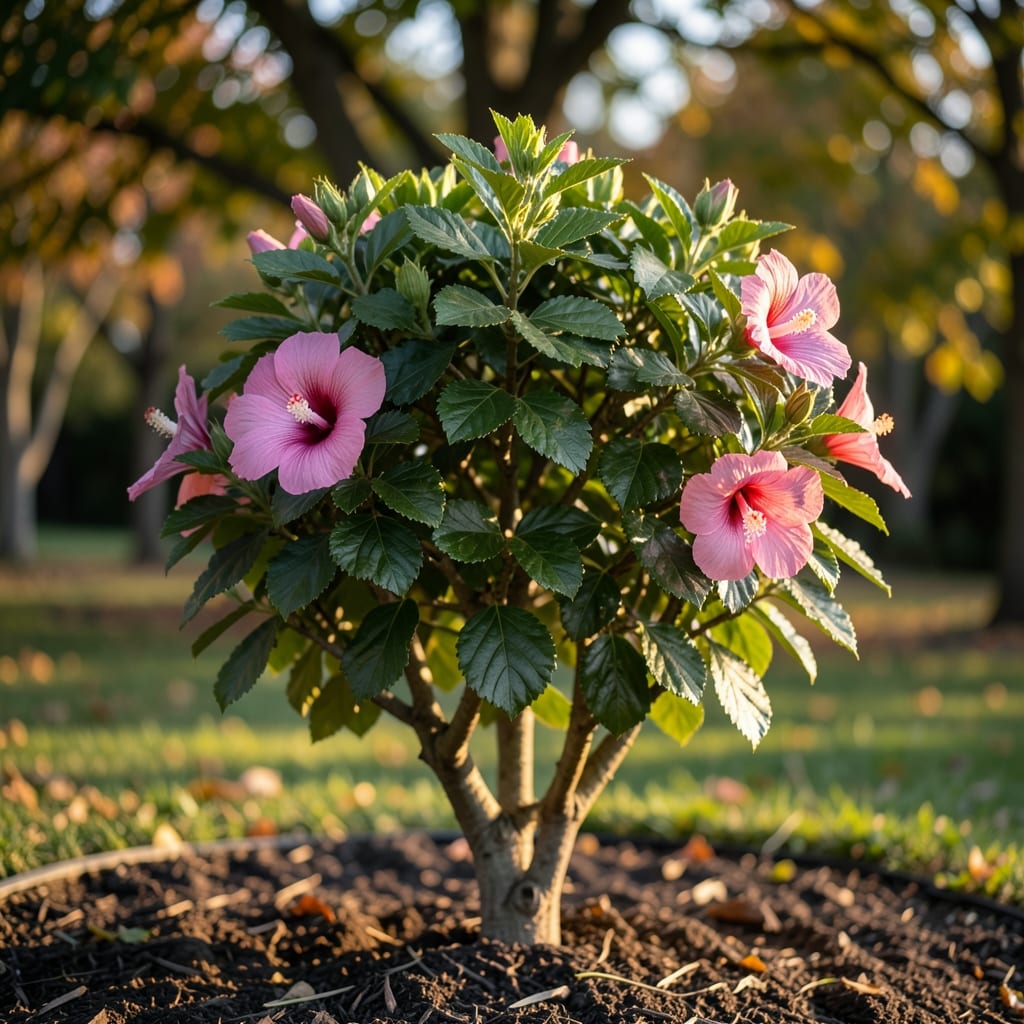
Ever wondered how tall that stunning 🌺 hibiscus tree in your neighbor’s yard could grow—or if it’ll ever outpace your two-story house? The answer might surprise you, because some varieties stretch toward the sky like tropical sentinels, while others stay cozy enough for patio pots.
If you’re dreaming of a hibiscus tree that’s both showstopping and space-friendly, you’re in the right place. I’ll break down the height ranges from dwarf varieties (perfect for containers) to towering giants (that need room to shine), plus the secrets to controlling growth so you get the perfect fit for your garden.
Whether you’re a first-time gardener or a seasoned plant parent, knowing how tall a hibiscus can grow helps you plan for pruning, sunlight, and even container sizes. Let’s dive into the varieties that will thrive in your space—and how to keep them at just the right height.
The key? Choosing the right type and giving it the care it needs to stay bloom-heavy and manageable. Ready to find your ideal hibiscus match?


Hibiscus tree height by variety: from dwarf to giant species
Hibiscus trees are nature’s living canvases, bursting with vibrant blooms and dramatic foliage—but their mature heights can vary wildly. Some stay small enough for patio pots, while others reach for the sky like tropical skyscrapers. The key to choosing the right variety lies in understanding their growth habits and space needs.
If you’re envisioning a hibiscus that fits snugly in a 10-gallon container, you’ll want a dwarf variety like ‘Little Red.’ But if your yard has room for a two-story statement piece, tropical hibiscus (Hibiscus rosa-sinensis) could be your match. Let’s explore the height spectrum so you can pick the perfect plant for your space.
🌺
| Variety | Mature Height | Growth Rate | Best For |
|---|---|---|---|
| Dwarf Hibiscus (e.g., 'Little Red') | 3–6 ft | Slow to moderate | Containers, patios, small gardens |
| Tropical Hibiscus (Hibiscus rosa-sinensis) | 10–20 ft | Fast | Large landscapes, tropical climates |
| Hardy Hibiscus (Hibiscus syriacus) | 8–15 ft | Moderate | Cold-hardy zones, privacy screens |
| Semi-Dwarf (e.g., 'Dwarf Blue') | 6–10 ft | Moderate | Medium gardens, border plantings |
| Standard (e.g., 'Lady Baltimore') | 15–20 ft | Fast | Large yards, focal points |
Tropical hibiscus (Hibiscus rosa-sinensis) often tops the height charts, shooting up to 20 feet in ideal conditions—think lush, frost-free climates like Florida or Hawaii. These giants thrive in full sun and well-draining soil, rewarding gardeners with year-round blooms if given the right care.
On the opposite end, dwarf varieties like ‘Little Red’ max out at 3–6 feet, making them perfect for container gardening or small patios. They’re also more forgiving for beginners, as their compact size means less pruning and easier maintenance.
Hardy hibiscus (Hibiscus syriacus), also called rose-of-Sharon, strikes a balance with heights of 8–15 feet. These cold-hardy beauties are a favorite in USDA zones 5–9 and can even survive light frosts, making them a low-maintenance choice for northern gardens.
If you’re torn between varieties, consider your garden’s layout and your willingness to prune. A 10-foot hibiscus can become unruly without regular trimming, while dwarf types need minimal upkeep. For example, ‘Dwarf Blue’ stays under 6 feet but still packs a punch with its vibrant blue blooms.
🌿
Pro tip: Always check the mature height on the plant tag when shopping. Nurseries often sell hibiscus labeled as "dwarf," but some still grow taller than expected. When in doubt, ask about the growth rate—fast growers like tropical hibiscus can add 3–5 feet per year, while hardy types grow more slowly.
Finally, remember that pruning and training can influence height. Even a towering variety can be kept in check with strategic cuts, while dwarf types can be encouraged to bush out with proper care. We’ll dive deeper into height control techniques in the next section!
Hibiscus tree height by variety: from dwarf to giant species
Hibiscus trees aren’t one-size-fits-all—they range from compact container plants to towering tropical giants. The variety you choose determines not just height but also care needs, blooming season, and whether it thrives in pots or sprawling gardens. Let’s break down the most popular types and their mature heights so you can pick the perfect fit for your space.
First, the tropical hibiscus (Hibiscus rosa-sinensis) often steals the show with its vibrant blooms and glossy leaves. In ideal conditions, these can reach 15–20 feet tall, making them perfect for large yards or as focal points near patios. However, they’re sensitive to cold and need winter protection in zones below 10.
For colder climates, the hardy hibiscus (Hibiscus syriacus) is a game-changer. This variety typically matures between 8–15 feet tall, thriving in USDA zones 5–9. Its sturdy branches and late-summer blooms make it a favorite for northern gardens, and it’s far easier to manage in containers if pruned regularly.
| Variety | Mature Height | Best For | Care Notes |
|---|---|---|---|
| Tropical Hibiscus (Hibiscus rosa-sinensis) | 15–20 ft | Large gardens, containers (with winter care) | Needs full sun, frost-sensitive |
| Hardy Hibiscus (Hibiscus syriacus) | 8–15 ft | Cold-hardy zones, privacy screens | Drought-tolerant once established |
| Dwarf Varieties (e.g., 'Little Red', 'Dwarf Blue') | 3–6 ft | Containers, patios, small spaces | Prune to encourage bushiness |
| Semi-Dwarf (e.g., 'Lady Baltimore') | 6–10 ft | Medium gardens, border plants | Moderate pruning needed |
If space is limited, dwarf hibiscus varieties like ‘Little Red’ or ‘Dwarf Blue’ are absolute lifesavers. These stay between 3–6 feet tall and thrive in 15–20 gallon containers, making them ideal for balconies or small yards. They bloom just as prolifically as their taller cousins but require less maintenance.
For a middle-ground option, semi-dwarf varieties like ‘Lady Baltimore’ hit 6–10 feet tall. These are versatile enough for medium-sized gardens or as accent plants near walkways. The key to keeping them manageable? Regular pruning to shape growth and encourage dense foliage.
No matter which variety you choose, remember: height isn’t set in stone. With the right pruning techniques (which we’ll cover next), you can train even the tallest hibiscus to fit your space—without sacrificing those stunning blooms. 🌺