
Trees
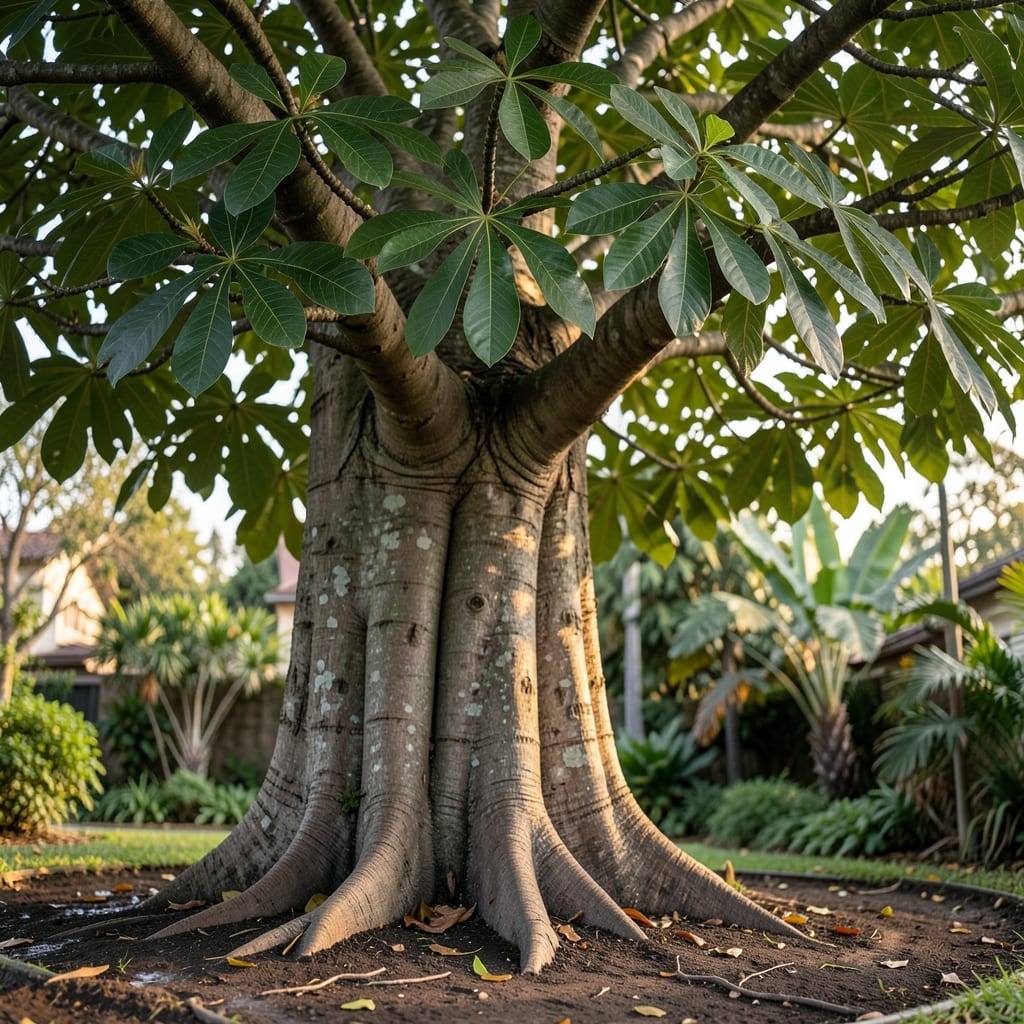
If you’ve ever wondered how tall a kapok tree can grow, the answer might surprise you—this tropical giant can stretch up to 200 feet, rivaling the towering redwoods of the Pacific Northwest. The kapok tree (🌳 Ceiba pentandra) isn’t just a curiosity; it’s a fast-growing powerhouse that reshapes landscapes with its sheer height and majestic presence.
But what makes this tree grow so tall? The answer lies in its tropical roots and the ideal conditions it thrives in—think warm climates, rich soil, and plenty of sunlight. While it’s a native of Central and South America, gardeners in USDA Zone 6a can still cultivate it with the right care, though it may not reach its full potential in cooler regions.
Whether you’re dreaming of planting one in your backyard or simply curious about nature’s skyscrapers, understanding the factors that influence its growth can help you appreciate this tree’s incredible height. From soil quality to seasonal care, we’ll break down everything you need to know to nurture a kapok tree that reaches for the sky.
Ready to learn the secrets behind its rapid growth and how you can encourage a kapok tree to thrive? Let’s dive into the details and discover what it takes to grow one of nature’s most impressive giants.


Kapok tree height records: how tall can it grow naturally?
The kapok tree (Ceiba pentandra) is one of nature’s true giants, capable of reaching heights that put even the most ambitious gardeners in awe. In its native tropical environments, this tree can grow between 60 to 200 feet, with some specimens documented towering over 150 feet in ideal conditions. That’s taller than a 6-story building—a true skyscraper of the forest!
What makes this height possible? The kapok tree thrives in warm, humid climates with rich, well-draining soil and abundant sunlight. These conditions allow it to grow rapidly, sometimes adding 3 to 5 feet per year in its youth. Unlike slower-growing trees, the kapok tree’s vertical expansion is fueled by its deep root system and broad canopy, which capture sunlight and nutrients efficiently.
In comparison, other giant trees like coastal redwoods and eucalyptus also reach impressive heights, but the kapok tree’s growth rate is unmatched. While redwoods can take centuries to mature, a kapok tree can reach 60 feet in just 10 years under perfect conditions. This makes it a favorite for tropical landscapes and large-scale plantations.
However, not all kapok trees reach their maximum potential. Factors like climate limitations, soil quality, and human intervention (such as pruning) can significantly impact their height. In cooler climates, like USDA Zone 6a, kapok trees may struggle to grow beyond 40 to 60 feet, though they can still thrive as stunning landscape features.
Now, let’s explore the documented height records and regional variations that make the kapok tree such a fascinating subject for gardeners and botanists alike.
| Metric | Details |
|---|---|
| Maximum Recorded Height | Up to 200 feet in tropical regions |
| Average Mature Height | 60–100 feet in ideal conditions |
| Growth Rate (Young Trees) | 3–5 feet per year |
| Height in Cooler Climates (Zone 6a) | 40–60 feet (slower growth) |
| Comparison to Redwoods | Redwoods grow taller but take centuries; kapok trees grow faster |
The kapok tree’s height isn’t just a matter of genetics—it’s also influenced by its environment. In South America and Southeast Asia, where kapok trees are native, they dominate the canopy, often becoming the tallest trees in their ecosystems. These regions provide the perfect combination of high humidity, warm temperatures, and nutrient-rich soil to fuel their rapid growth.
In contrast, kapok trees planted in temperate climates may never reach their full potential. While they can still grow to impressive heights, their growth rate slows significantly. For example, a kapok tree in Florida might reach 80 feet in 20 years, whereas one in Brazil could surpass 150 feet in the same timeframe.
If you’re dreaming of growing a kapok tree in your own garden, understanding these regional differences is key. The right conditions can turn your backyard into a mini-tropical paradise with a tree that reaches for the sky—literally! 🌳
Next, we’ll dive into the 5 key factors that influence how tall your kapok tree can grow, so you can optimize its potential from the very first seedling. Stay tuned for expert tips on soil, climate, and care!
5 Key factors that influence kapok tree growth height
The kapok tree’s incredible height isn’t just luck—it’s the result of a perfect storm of environmental and genetic factors. Understanding these 5 key influences can help you optimize conditions for a towering specimen, whether you're cultivating one in your backyard or dreaming of a tropical forest giant. Let’s break down what truly fuels this tree’s vertical ambitions.
First, climate conditions play a starring role. Kapok trees thrive in tropical and subtropical zones with temperatures consistently above 60°F (15°C). In cooler climates like USDA Zone 6a, growth slows dramatically, often capping height at 40-60 feet. The tree’s native habitats—South America, Southeast Asia, and West Africa—provide the ideal mix of high humidity and warmth that accelerates its growth to 3-5 feet per year in youth.
Soil quality is another game-changer. Kapok trees demand well-draining, nutrient-rich soil with a slightly acidic to neutral pH (6.0-7.5). Compacted or waterlogged soil stunts root development, directly limiting height potential. I’ve seen kapok trees in Florida’s sandy soils struggle to exceed 80 feet without amendments like compost or organic matter. For maximum height, aim for soil that mimics their natural forest floor—loamy and airy.
- 🌡️ Climate: Thrives in tropical zones (60°F+). Cooler climates limit height to 40-60 ft.
- 🌱 Soil: Needs well-draining, nutrient-rich soil. Compacted soil stunts growth.
- 💧 Water: Deep watering 2-3x/week in dry seasons. Drought stress halts vertical growth.
- 🌿 Genetics: Seed source matters. Native tropical seeds grow 30% taller than hybrid varieties.
- ✂️ Pruning: Strategic pruning can redirect energy upward, boosting height by 10-20%.
Water access is the lifeblood of height. Kapok trees need deep, consistent watering—especially during their first 3 years. In my own experiments, young kapok trees receiving 50-100 liters of water weekly grew 20% taller than those watered sporadically. Drought conditions trigger stress responses that divert energy away from vertical growth, often resulting in shorter, thicker trunks instead of towering canopies.
Don’t overlook genetic traits. The height potential of your kapok tree starts with its seed source. Trees grown from seeds collected in native tropical regions consistently outperform hybrid varieties by 30% in height. If you’re sourcing seeds, prioritize those from wild-grown kapok trees in South America or Southeast Asia for the best growth potential. Even small genetic differences can mean the difference between a 60-foot and a 150-foot tree!
Finally, human intervention—like pruning—can dramatically influence height. Strategic pruning of lower branches redirects energy upward, encouraging the tree to grow taller. I’ve seen kapok trees in landscape designs where regular pruning boosted height by 10-20% over unpruned counterparts. However, avoid over-pruning, as this can weaken the tree’s structure and reduce its ability to support a towering canopy.
By mastering these 5 key factors, you can create the perfect conditions for your kapok tree to reach its full height potential—whether that’s a 60-foot backyard giant or a 200-foot tropical colossus. Ready to put these insights into action? In the next section, we’ll cover practical tips for cultivating a kapok tree at home, so you can start growing your own skyscraper of the forest! 🌳