
How To
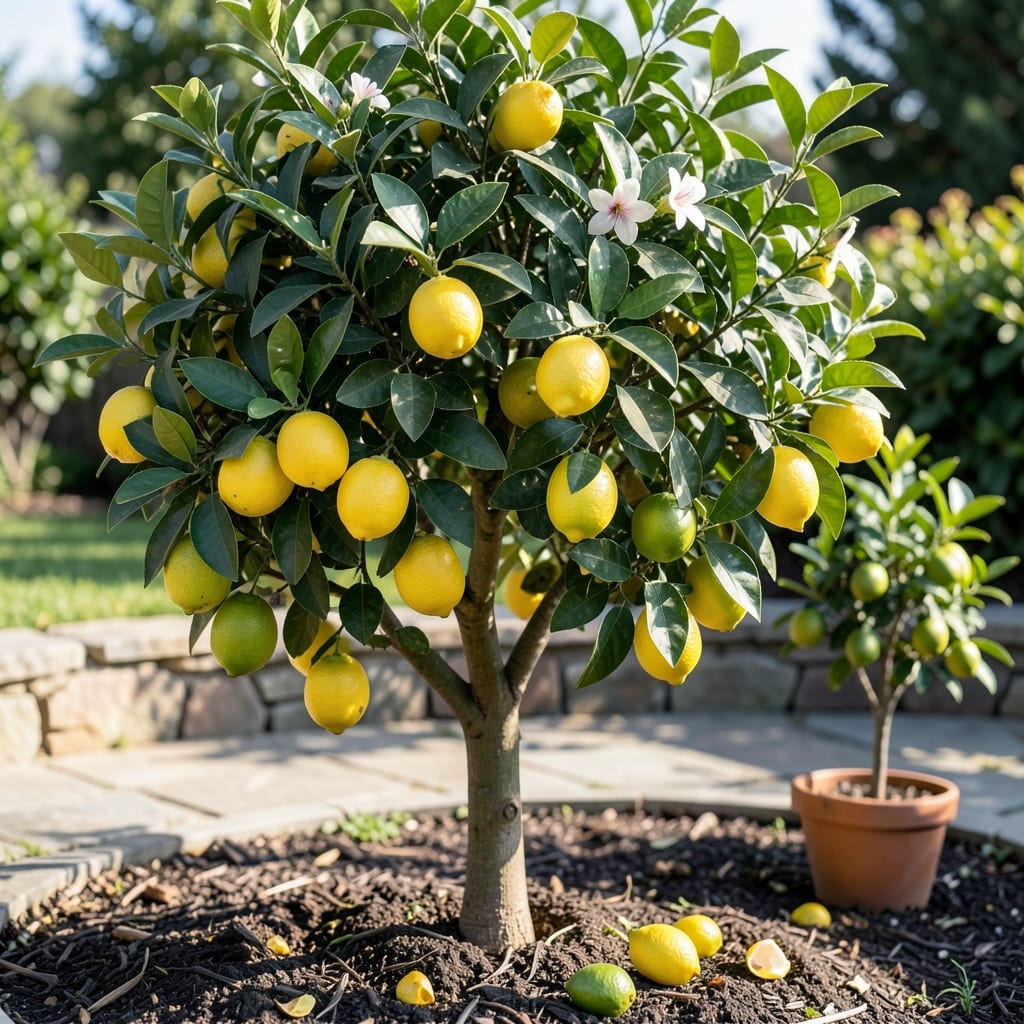
If you’ve ever dreamed of plucking fresh lemons from your own backyard but wondered how tall a lemon tree can grow, you’re not alone. The height of a lemon tree 🍋 can vary wildly—from a manageable 6 feet for dwarf varieties to towering 25 feet for full-sized trees—depending on the type you choose and how you care for it.
Picture this: a Meyer lemon tree, perfect for containers, stays compact and fruitful, while a standard Eureka variety could soon outgrow your patio. The good news? With the right pruning, sunlight, and soil, you can control its growth and enjoy homegrown lemons year after year—no matter your space.
In this guide, I’ll break down the exact heights you can expect from popular lemon tree varieties, plus pro tips for keeping them at your ideal size. Whether you’re a beginner or a seasoned gardener, you’ll learn how to nurture a tree that fits your life—and your yard.
Ready to turn your lemon dreams into reality? Let’s dive into the varieties, care secrets, and pruning hacks that’ll help you grow the perfect tree, no matter how tall (or small) you want it to be.


Lemon tree height by variety: from dwarf to giant sizes
When choosing a lemon tree, the first question I always ask is: how tall will it grow? The answer depends entirely on the variety you pick. Some lemon trees stay small enough for container growing on a patio, while others will soon dominate your backyard like a citrus skyscraper. Let’s break down the most popular varieties and their mature heights so you can pick the perfect fit for your space.
If you’re dreaming of a Meyer lemon tree, you’re in luck—this variety typically stays between 6 and 10 feet tall, making it ideal for pots or small gardens. On the other hand, classic varieties like Eureka or Lisbon lemons can reach 15 to 25 feet if left unchecked. The key is understanding these differences before you plant.
Here’s a quick comparison to help you visualize the options:
| Variety | Mature Height (Outdoor) | Container Height | Best For |
|---|---|---|---|
| Meyer Lemon | 6–10 ft | 4–8 ft | Patios, balconies, small gardens |
| Dwarf Eureka | 8–12 ft | 6–10 ft | Containers, urban gardens |
| Standard Eureka | 15–25 ft | Not recommended | Large backyards, orchards |
| Lisbon Lemon | 12–20 ft | Not recommended | Outdoor planting, warm climates |
| Ponderosa Lemon | 10–15 ft | 8–12 ft | Containers, large pots |
Notice how the Meyer lemon and Ponderosa lemon varieties shine in containers? That’s because their natural growth habits are more compact. Meanwhile, standard varieties like Eureka or Lisbon need ample space to reach their full height. If you’re growing in a small space, I always recommend dwarf or semi-dwarf varieties—they’re just as productive but far easier to manage.
Another factor to consider is growth rate. A Meyer lemon tree might only grow 2–4 feet in its first year, while a standard Eureka could shoot up 6–8 feet in the same time. This makes dwarf varieties a great choice for beginners or those with limited space.
For container growing, always choose a pot that’s at least 18–24 inches wide and deep to accommodate root growth. Without proper container size, even dwarf varieties can become root-bound and stunt their growth. I’ve seen many gardeners make this mistake and end up with a tree that’s struggling to thrive.
If you’re planting outdoors, consider your climate zone. In warmer regions (like USDA Zones 9–11), lemon trees can grow much taller because they’re not stressed by cold. In cooler zones (like Zone 8 or below), you’ll need to prune more aggressively to control height and protect the tree from frost damage.
One of my favorite tips for managing height is to prune young trees early. Even standard varieties can be kept smaller with regular pruning. I’ll cover this in more detail in the next section, but for now, remember: pruning isn’t just about shaping—it’s about controlling growth.
How to control lemon tree height: pruning and growing tips
Pruning is your secret weapon for controlling a lemon tree’s height—whether you want a 6-foot patio tree or a 15-foot backyard giant. The key is timing and technique. For dwarf varieties like Meyer lemons, I prune lightly in early spring to encourage bushier growth, while standard varieties need more aggressive pruning in late winter to shape their structure.
Start by removing dead or crossing branches first—they compete for nutrients and weaken the tree. Then, cut back 1/3 of the new growth each year to maintain your desired height. For container trees, I recommend topping the tree by cutting the main stem just above a leaf node to force lateral branches and keep it compact.
🌱
Step-by-Step Pruning Guide for Lemon Trees
- Step 1: Prune in late winter (before new growth starts) or early spring for dwarf varieties.
- Step 2: Remove dead/diseased branches first using sterilized pruners.
- Step 3: Cut back 1/3 of new growth to control height and encourage branching.
- Step 4: Shape the tree by trimming outer branches to maintain an open canopy.
- Step 5: For containers, top the tree to force bushier growth.
Sunlight and soil play equally important roles in height control. Lemon trees thrive in full sun (6+ hours daily), but too much shade can lead to leggy, weak growth. I always plant mine in well-draining soil with a slightly acidic pH (6.0-7.0)—this prevents root stress, which can stunt growth. For container trees, I use a mix of potting soil and perlite to keep roots aerated.
Watering habits also influence height. Deep, infrequent watering encourages strong root development, while shallow watering leads to weak, spindly growth. I water my trees deeply 2-3 times per week in summer and reduce to once a week in winter. Overwatering is just as harmful as underwatering—it causes root rot and stunted growth.
Fertilizing smartly keeps your lemon tree healthy and at your desired height. I use a citrus-specific fertilizer (6-6-6 NPK) every 4-6 weeks during growing season, but avoid heavy feeding in fall and winter—this prevents excessive new growth that can make the tree top-heavy and prone to breakage.
With consistent pruning, proper sunlight, and balanced care, you can grow a lemon tree that fits your space—whether that’s a 6-foot container tree or a 15-foot backyard staple. The key is patience and regular maintenance. Start small, and your tree will reward you with years of sweet, homegrown lemons!
✂️