
How To
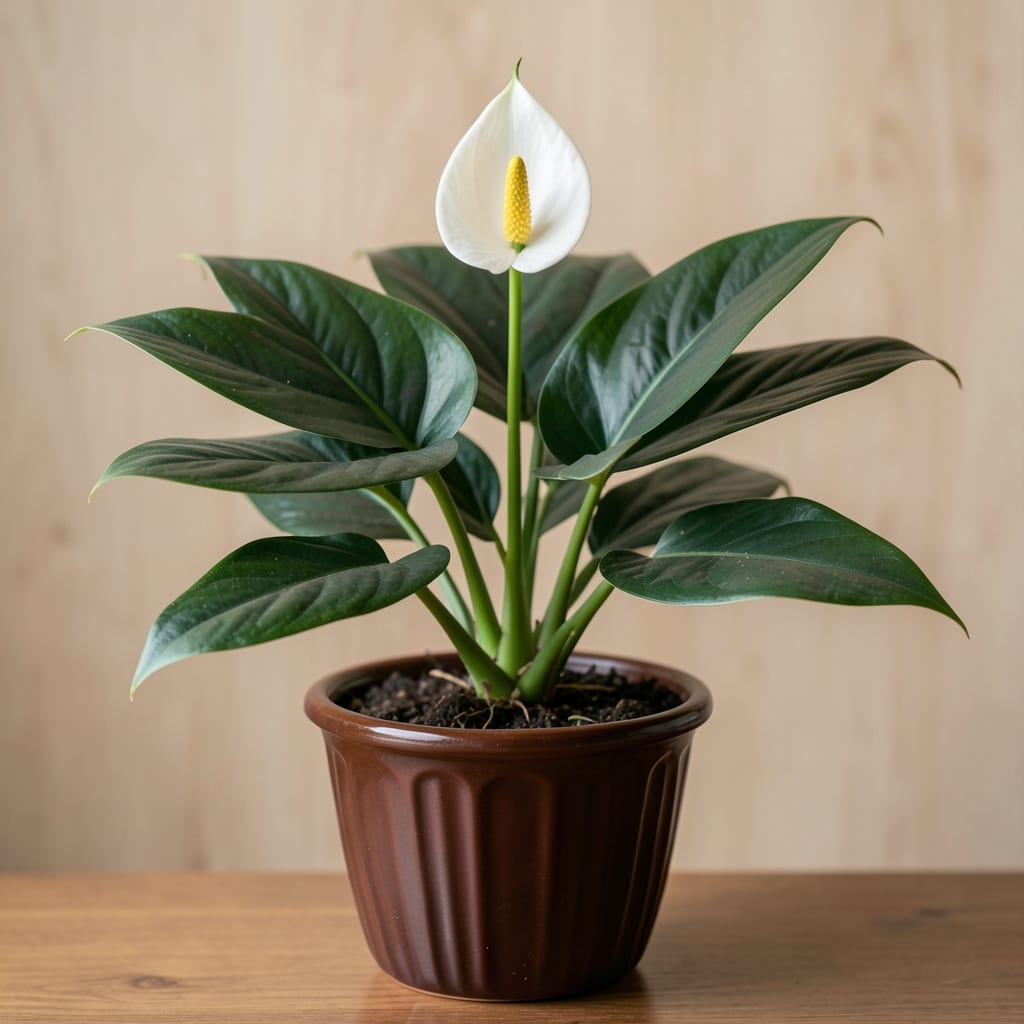
If you’ve ever glanced at your peace lily 🌿 and wondered how tall it can grow, the answer depends entirely on where—and how—you’re growing it. This popular houseplant can range from a modest 18 inches to a towering 6 feet or more, but only when given the right conditions to thrive.
For most indoor gardeners in Zone 6a or similar climates, your peace lily will likely top out between 2 and 4 feet, making it a perfect fit for shelves, counters, or even hanging baskets. The key to controlling its height lies in factors like light exposure, pot size, and pruning—all of which we’ll break down so you can shape your plant’s growth to match your space.
Outdoors, however, is a different story. In warmer zones (10–12), peace lilies can stretch their legs and reach those impressive heights, but they require careful attention to soil, water, and seasonal changes. Whether you’re growing it as a houseplant or experimenting with outdoor cultivation, understanding these growth limits will help you avoid surprises—and keep your plant happy.
Ready to learn how to manage your peace lily’s height? We’ll cover everything from dwarf varieties that stay under 2 feet to the pruning techniques that reset overgrowth. Let’s get started!


Peace lily height limits: indoor growth potential explained
When growing a peace lily indoors, its height is primarily influenced by light exposure, pot size, and pruning habits. Under ideal conditions—like bright, indirect sunlight and a spacious pot—your plant can easily reach 3 to 4 feet within 2–3 years. However, if you’re dealing with low-light conditions or a cramped pot, expect a more compact 18-inch to 2-foot stature.
The Spathiphyllum (its botanical name) is a slow grower, but its height accelerates when it has room to spread its roots. A 10-inch pot might limit growth to 2 feet, while a 16-inch pot could push it toward 4 feet. Think of your peace lily like a teenager—it needs space to grow up!
Here’s the kicker: neglecting pruning can lead to leggy, overgrown stems that stretch toward light sources, often resulting in a top-heavy plant that’s prone to falling. On the flip side, regular pruning (cutting back overgrowth) encourages bushier, more controlled growth. This is how you keep your peace lily at a manageable height for your home.
Another factor? The variety you choose. While most standard peace lilies top out at 4 feet, dwarf varieties like 'Petite' or 'Domino' stay between 1 and 2 feet. If you’re short on vertical space, these are your best bets for keeping things compact.
Let’s talk about light’s role. Peace lilies thrive in bright, indirect light, but they can tolerate low-light conditions—though growth will be slower. Place yours near an east-facing window for optimal height control. Too much direct sunlight, however, can scorch leaves and stunt growth, so avoid south-facing windows unless you’re providing shade.
Don’t overlook the soil mix either. Well-draining, moisture-retentive soil (like a mix of potting soil and perlite) helps roots expand, which in turn supports taller growth. Poor soil quality can lead to stunted growth or even root rot, so always use a high-quality potting mix designed for houseplants.
Now, let’s address the myth that peace lilies grow uncontrollably indoors. With the right care, you can control its height effectively. For example, if your plant reaches 3 feet and you want to keep it shorter, simply prune the tallest stems back by a third. This encourages new growth from the base, resulting in a fuller, bushier plant.
Here’s a quick growth timeline for indoor peace lilies:
- Year 1: 1–2 feet
- Year 2: 2–3 feet
- Year 3+: 3–4 feet (if unpruned)
This timeline assumes optimal care, including regular watering, balanced fertilization, and proper light.
If you’re wondering whether your peace lily is overgrown, look for these signs:
- Leaning stems (a sign it’s stretching for light)
- Yellowing leaves at the bottom (often due to poor air circulation)
- Sparse foliage with long gaps between leaves
These are clear indicators it’s time to prune or repot.
Pro tip: If you’re growing your peace lily in a hanging basket, its height will naturally be more controlled because the stems grow downward. This is a great way to keep it under 2 feet while adding visual interest to your space.
| Factor | Indoor Height Impact | Actionable Tip |
|---|---|---|
| Light Exposure | 18"–4' (bright indirect) vs. 12"–2' (low light) | Place near east/west window; avoid direct sun. |
| Pot Size | 10" pot = 2'; 16" pot = 4' | Repot every 2 years; choose 2" larger pot. |
| Pruning | Unpruned = leggy; pruned = bushy (2'–3') | Trim stems by 1/3 to encourage fullness. |
| Variety | Standard = 3'–4'; Dwarf = 1'–2' | Choose 'Petite' or 'Domino' for compact growth. |
| Soil Quality | Poor soil = stunted growth; rich soil = 3'–4' | Use potting mix with perlite for drainage. |
Remember, your peace lily’s height is 100% manageable with the right care. Whether you’re aiming for a countertop-friendly 2 feet or a statement-making 4 feet, understanding these factors will help you achieve your goal. Next, we’ll explore how outdoor conditions can push your peace lily to 6 feet or taller—but that’s a story for another section!
For now, take a closer look at your plant’s current height and ask
Peace lily height limits: indoor growth potential explained
When growing a peace lily indoors, its height is primarily influenced by light exposure, pot size, and pruning habits. Under ideal conditions—like bright, indirect light and regular care—most peace lilies reach 2 to 4 feet tall. However, if neglected or cramped in small pots, they may stay shorter, around 18 inches, while overcrowded roots or excessive light can push them toward the upper limit.
For example, a peace lily in a 12-inch pot with moderate light will likely max out at 3 feet, but the same plant in a 20-inch pot with optimal light could easily stretch to 4 feet. The key is balancing these factors to control growth without stunting your plant’s potential.
🌱
| Factor | Indoor Height Impact | Actionable Tip |
|---|---|---|
| Light Exposure | Low light = 18"–24"; Bright indirect = 36"–48" | Place 2–3 feet from east-facing windows for balanced growth. |
| Pot Size | Small pot = stunted growth; Large pot = 4'+ potential | Repot every 2–3 years into a 2–4" larger container. |
| Pruning | Regular pruning = controlled height; Neglect = leggy growth | Trim yellow leaves and overgrown stems in spring to encourage bushiness. |
| Variety | Dwarf = 18"–24"; Standard = 36"–48" | Choose Spathiphyllum 'Petite' for compact growth or 'Domino' for taller stems. |
One common misconception is that peace lilies will always grow tall if left alone. In reality, underwatering or root-bound conditions can stunt growth, while overwatering may lead to leggy, weak stems that struggle to support their own weight. Aim for consistently moist soil (but never soggy) and a pot with drainage holes to avoid these pitfalls.
If you’re concerned about your peace lily outgrowing its space, focus on light management and regular pruning. For instance, moving it to a north-facing window in summer can slow vertical growth, while a springtime prune can reset leggy stems and encourage a fuller, more compact shape. With these adjustments, you can keep your peace lily at a manageable 2 to 3 feet even in small apartments.
For those curious about dwarf varieties, options like 'Petite' or 'Domino' stay under 2 feet tall, making them perfect for desks or shelves. These varieties thrive under the same care as standard peace lilies but require slightly more frequent pruning to maintain their compact form.
🪴