
How To
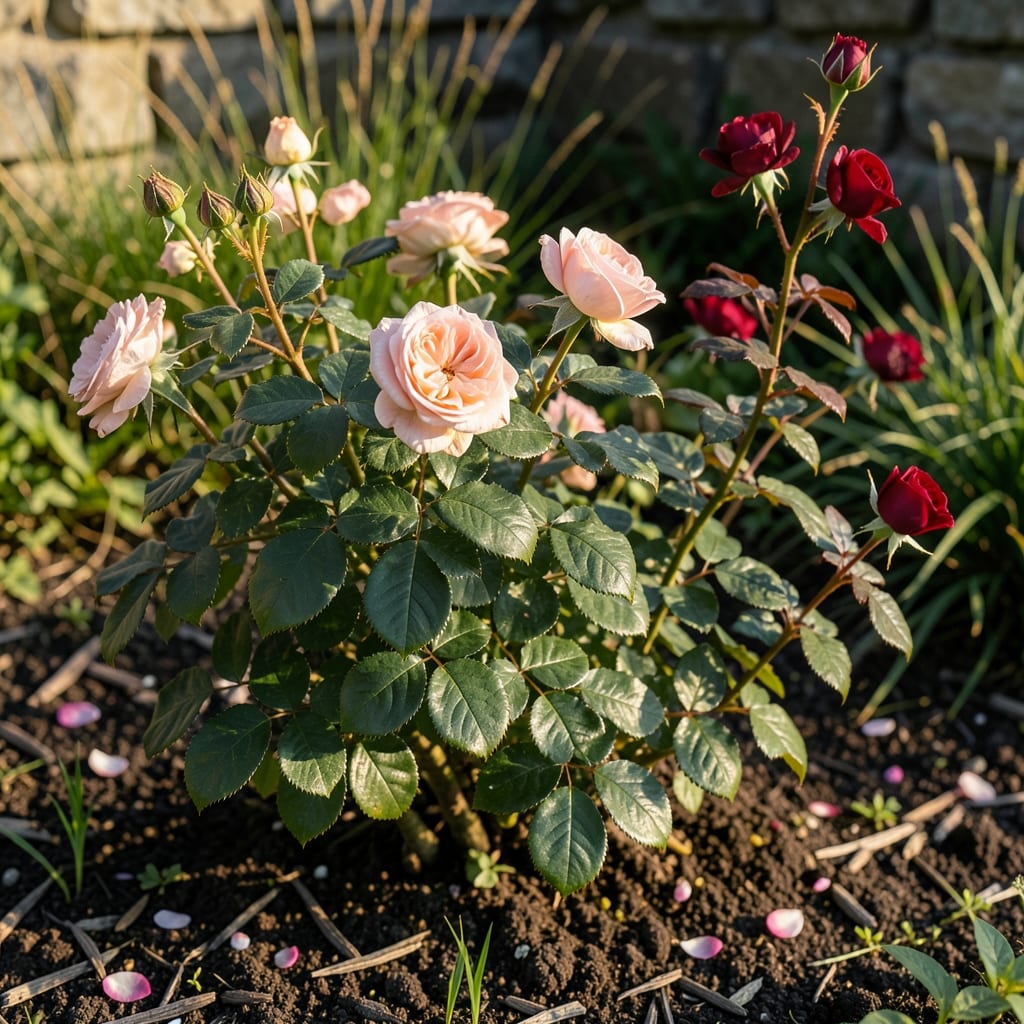
Ever wondered how tall a rose bush can grow and whether your garden will be graced by a towering floral statement or a neatly contained shrub? The answer depends entirely on the variety you choose—and how you care for it. Some roses barely reach your knees, while others climb higher than a two-story house, creating a dramatic vertical display.
If you're planning your garden layout or dreaming of a rose-covered trellis, understanding these height differences is the key to making the right choice. Whether you prefer compact shrubs for borders or grand climbers for arches, each type has its own growth potential and care requirements.
But here's the thing: even the tallest roses can be managed with the right techniques. I'll show you how pruning, soil quality, and sunlight exposure can influence your rose bush's height—and how to encourage the size you want. Let's dive into the varieties and care tips that will help you grow the perfect rose for your space.
From dwarf roses that stay under 3 feet to climbing varieties that can stretch over 10 feet, the possibilities are endless. Discover which rose is right for your garden and how to keep it thriving at the perfect height for years to come.


Rose bush height by variety: dwarf to climbing giants
When choosing a rose bush, the first question I ask myself is: how tall will this grow? The answer varies dramatically depending on the variety. Some roses stay small enough for window boxes, while others climb like vines on a trellis. Understanding these differences helps me plan my garden layout and select roses that fit my space perfectly.
For example, dwarf roses like the 'Fairy' variety typically reach just 1-2 feet tall, making them ideal for containers or small gardens. On the other end of the spectrum, climbing roses like 'New Dawn' can soar to 10-15 feet, perfect for covering fences or arbors. Each category has its own growth habits and care needs.
Here’s how I break down rose bush heights by variety, so you can choose the perfect one for your garden:
| Variety Type | Mature Height | Growth Habit | Best For |
|---|---|---|---|
| Dwarf Roses | 1–3 ft | Compact, bushy | Containers, small gardens, borders |
| Shrub Roses | 3–5 ft | Upright, multi-stemmed | Hedges, mixed borders, mass planting |
| Hybrid Tea Roses | 3–6 ft | Single-stemmed, upright | Cut flowers, garden focal points |
| Climbing Roses | 8–15+ ft | Long, flexible canes | Trellises, arbors, fences |
| Standard Roses | 5–10 ft | Single stem with grafted head | Garden accents, small trees |
If you're working with limited space, dwarf roses or shrub roses are my go-to choices. They’re low-maintenance and fit neatly into small gardens or containers. For a dramatic effect, climbing roses are unbeatable—they transform vertical spaces into lush, fragrant displays.
I always recommend checking the mature height of a rose before planting. A 6-foot rose planted near a 4-foot fence will quickly outgrow its space, while a 2-foot dwarf rose in a large planter might feel lost. Plan ahead to avoid overcrowding or awkward pruning later.
For example, the 'Knock Out' rose, a popular shrub variety, typically grows to 3-4 feet tall and spreads 3-4 feet wide. This makes it perfect for foundation plantings or as a standalone shrub. On the other hand, the 'Blaze' climbing rose can reach 12 feet or more if given proper support and care.
One of the most common mistakes I see is underestimating how much space a rose needs to grow. Always leave room for the mature width of the rose, not just its height. A rose bush that’s 5 feet tall might spread 4 feet wide, so plan your garden layout accordingly.
If you're unsure which variety to choose, consider your garden’s sunlight exposure and available space. Most roses thrive in full sun (6+ hours daily), but some varieties, like Floribunda roses, can tolerate partial shade. Always match the rose’s needs to your garden’s conditions for the best results.
🌹
How pruning affects rose bush height: techniques to control growth
Pruning is the secret weapon for controlling your rose bush's height. Whether you want a compact shrub or a towering climber, how and when you prune makes all the difference. I’ve learned that aggressive pruning in early spring can keep a rose bush under 3 feet, while minimal pruning lets climbers reach 10 feet or more. The key is understanding the right techniques for your variety.
Timing matters most. Prune hybrid teas and shrub roses in late winter or early spring before new growth begins. This encourages bushier, more controlled growth. For climbing roses, prune after flowering to redirect energy upward. Skipping pruning can lead to leggy, overgrown bushes that flop or struggle to bloom as heavily.
Your tools matter too. Always use clean, sharp pruners to avoid damaging stems. I recommend disinfecting them with rubbing alcohol between cuts to prevent disease. Avoid tearing stems—this invites pests and weakens the plant. For taller varieties, consider long-handled loppers to reach higher branches safely.
Seasonal pruning is another game-changer. In summer, lightly trim dead or crossing branches to improve airflow and reduce disease risk. In fall, remove any remaining blooms and weak stems to prepare for dormancy. I’ve seen roses that were pruned correctly in fall bloom more vigorously the following spring.
For dwarf roses, prune lightly in spring to maintain their compact shape. Pinch back new growth to encourage bushier growth. With standard roses (those grafted onto tall stems), prune the top to control height while allowing the lower branches to fill out. This creates a stunning, balanced silhouette perfect for focal points in your garden.
Don’t forget about support structures for taller varieties. Trellises, arbors, or sturdy stakes help guide climbing roses upward while keeping them contained. I’ve used a 6-foot obelisk for my climbing roses, and it’s transformed my garden into a vertical floral display. Without support, even the hardiest climbers can become tangled and weak.
Finally, observe your rose bush throughout the growing season. If it’s growing too tall too quickly, prune back in early summer to redirect energy. If it’s struggling to reach desired height, avoid heavy pruning and focus on improving soil fertility and sunlight exposure. With the right pruning approach, you can shape your rose bush to fit your garden perfectly—whether that’s a neat hedge or a dramatic vertical statement. 🌹