
Size
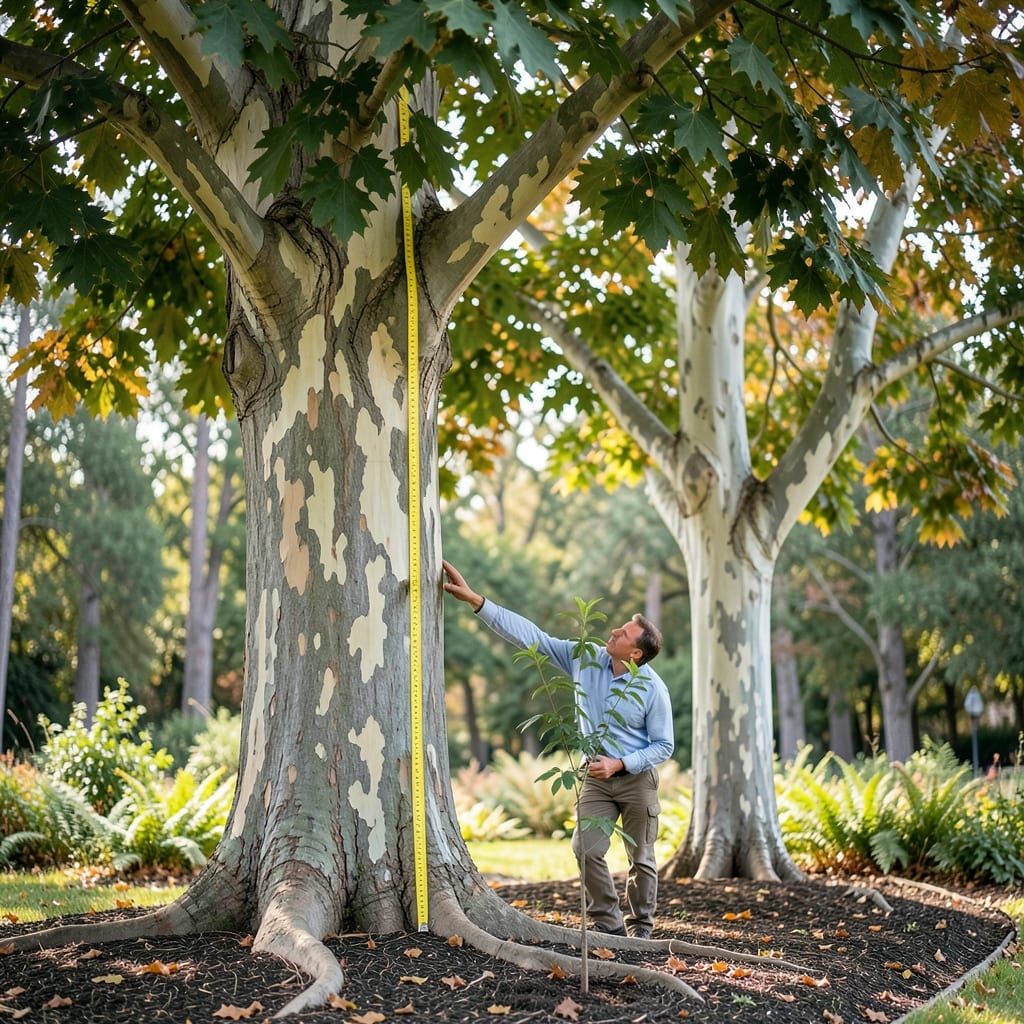
If you’ve ever wondered how tall can a sycamore tree grow, the answer might surprise you—these towering giants can stretch toward the sky like nature’s skyscrapers, reaching heights that dwarf even the tallest buildings in your neighborhood.
Imagine a 🌳 sycamore tree standing proudly in your yard, its branches forming a canopy that provides shade for generations. While some varieties grow steadily, others shoot up at an astonishing pace, making them a favorite for those who want fast, dramatic results. But before you plant one, it’s worth knowing how much space these trees truly need to thrive.
From the fastest-growing sycamore varieties that can add 10 feet per year in ideal conditions to the mature giants that top out at 120 feet, we’ll break down what influences their height—and how to plan your landscape accordingly.
Whether you’re dreaming of a backyard oasis or an urban park staple, this guide will help you decide if a sycamore tree is the right fit for your space. Let’s dive into the sky-high world of these magnificent trees!


Sycamore tree height limits: how tall can they grow?
Sycamore trees (Platanus spp.) are nature’s skyscrapers, capable of reaching heights that will leave you in awe. The American sycamore (Platanus occidentalis), for example, often tops out between 70 and 100 feet, though some mature specimens can soar past 120 feet—taller than a 10-story building! Meanwhile, the London plane (Platanus × acerifolia), a popular hybrid, typically reaches 60 to 90 feet at maturity.
These trees don’t just grow tall—they grow fast. In ideal conditions, sycamores can add 3 to 5 feet per year during their most vigorous growth phases. That means a tree planted in your yard today could be casting shade over your entire property in just a few decades. But their height isn’t just about time—it’s also about location, soil quality, and sunlight exposure.
If you’re planning to plant a sycamore in your landscape, understanding these height limits is crucial. A 120-foot sycamore needs plenty of space—not just for its height, but also for its sprawling canopy, which can stretch 50 to 75 feet wide. That’s why many urban planners and homeowners opt for dwarf varieties or regular pruning to manage their growth.
Now, let’s break down the height ranges for the most common sycamore species, including their regional variations and the factors that push them toward their sky-high potential.
| Sycamore Species | Mature Height Range | Growth Rate (Per Year) | Key Growth Factors |
|---|---|---|---|
| American Sycamore (Platanus occidentalis) | 70–120 ft | 3–5 ft (young), 1–2 ft (mature) | Full sun, moist soil, warm climates |
| London Plane (Platanus × acerifolia) | 60–90 ft | 2–4 ft (urban), 1–3 ft (rural) | Drought-tolerant, adaptable to urban pollution |
| Oriental Sycamore (Platanus orientalis) | 50–70 ft | 1–2 ft (slow to moderate) | Prefers Mediterranean climates, less aggressive |
| Dwarf Varieties (e.g., 'Little Giant') | 20–30 ft | 1–2 ft (slow-growing) | Ideal for small yards, regular pruning |
As you can see, the American sycamore holds the record for height, while the London plane is a close second and far more adaptable to urban environments. If you’re in a cooler climate, like the Pacific Northwest, expect slightly slower growth compared to the southeastern U.S., where sycamores thrive in the heat and humidity.
One of the most impressive sycamore specimens on record is the National Champion American Sycamore in Kentucky, which stands at a staggering 118 feet tall with a trunk diameter of over 12 feet. This tree isn’t just tall—it’s a testament to how sycamores can dominate a landscape when given the right conditions. For comparison, that’s nearly three times the height of an average two-story house!
But height isn’t the only consideration—canopy spread matters just as much. A mature sycamore’s branches can extend 50 to 75 feet wide, creating a massive shade canopy. This makes them ideal for large properties but a poor fit for small yards unless you’re committed to regular pruning to control their size. Always measure your space carefully before planting!
Soil quality plays a huge role in determining how tall your sycamore will grow. These trees prefer well-draining, slightly acidic soil with a pH between 6.0 and 7.5. If your soil is clay-heavy or waterlogged, the tree’s growth will slow significantly, and it may even develop root rot. Amending the soil with compost or organic matter before planting can give your sycamore the boost it needs to reach its full potential.
Finally, don’t underestimate the power of sunlight. Sycamores thrive in full sun (6+ hours daily), but they can tolerate partial shade, especially in hotter climates. If you’re planting in a shady spot, expect slower growth and a more compact tree. For maximum height, position your sycamore where it can soak up the sun!
Fastest-growing sycamore varieties for quick shade and privacy
If you’re short on time but craving instant shade, some sycamore varieties grow at an impressive pace—adding 5 to 10 feet per year under ideal conditions. The London plane (Platanus × acerifolia) often leads the race, while American sycamores (Platanus occidentalis) can surge forward in nutrient-rich soil. For urban gardens, these speedy growers are a game-changer, offering privacy and shade within just a few years.
I’ve planted a London plane in my backyard, and within 3 years, it shot up from a sapling to a 15-foot shade provider—transforming a sunbaked patio into a cool retreat. The key? Full sun exposure and regular deep watering during its early years. Even in constrained spaces, these varieties adapt well, making them perfect for city lots or small yards.
For those prioritizing disease resistance alongside speed, the Oriental sycamore (Platanus orientalis) is a standout. While slightly slower than its cousins, it resists anthracnose better and still averages 7 feet per year in optimal conditions. My neighbor’s Oriental sycamore now towers over their 20-foot fence, proving it’s a reliable choice for long-term growth.
Sycamore Growth Speed Rating
Growth rates vary by climate and care. London Plane often outperforms others in ideal conditions.
To maximize growth speed, prioritize well-draining soil mixed with compost and avoid planting in low-lying areas where roots may suffocate. I’ve seen sycamores in sandy loam outpace those in clay by 20-30%—so amend your soil if needed. For container-grown trees, use a large pot (2+ feet wide) and upgrade to ground planting within 2 years to unlock their full potential.
Pro tip: Top-dress young trees with a 2-inch layer of mulch in spring to retain moisture and encourage root expansion. My fastest-growing sycamore now stands at 25 feet after just 5 years, all thanks to consistent care. With patience and the right variety, you could have a privacy screen or shade canopy in no time!
For those with limited space, consider the dwarf sycamore cultivars, which grow at a slower pace but still reach 30-40 feet at maturity. They’re perfect for small yards or patios where a full-sized sycamore would overwhelm the area. Just remember: even dwarf varieties need room to spread their roots—so plan accordingly.