
Size
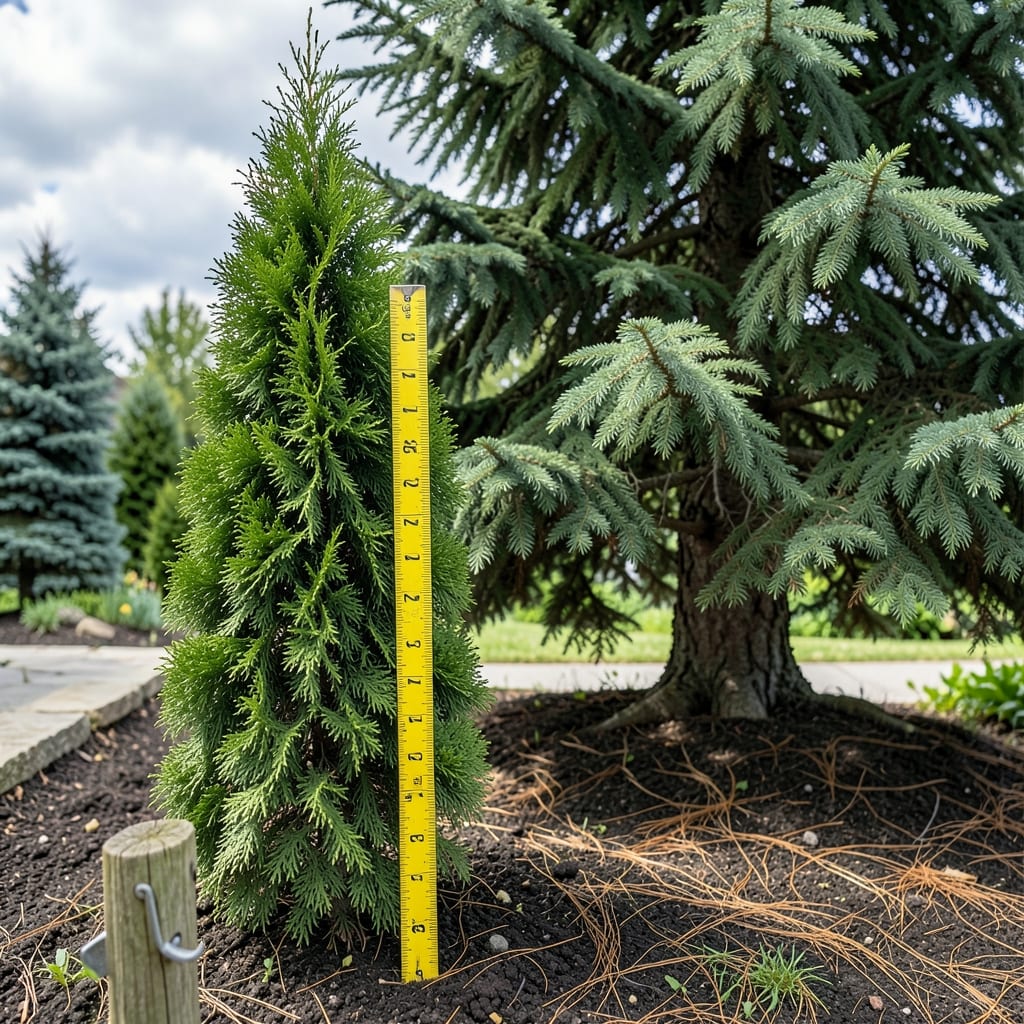
If you’ve ever wondered how tall can arborvitae grow before deciding where to plant yours, the answer might surprise you—these evergreen trees can range from a compact 3 feet to a towering 50 feet! The variety you choose makes all the difference, and picking the right one for your space could save you from pruning headaches down the road.
Whether you’re dreaming of a privacy hedge or a striking focal point, arborvitae offer options for every landscape. Some varieties stay neatly contained, while others reach heights that rival two-story homes. Understanding the growth potential of each type helps you plan for long-term success—and avoids the stress of dealing with an overgrown tree later.
In this guide, I’ll break down the height ranges of popular arborvitae cultivars, from the dwarf ‘Emerald Green’ to the massive ‘Green Giant’. You’ll also learn how sunlight, soil, and pruning habits can influence growth, so you can create the perfect look for your yard without sacrificing health or aesthetics.
Ready to make an informed choice? Let’s explore the best arborvitae varieties for your space and the simple care tips to keep them thriving at the right height for years to come.


Arborvitae height by variety: dwarf to giant species compared
Choosing the right arborvitae variety starts with understanding their mature height ranges. Some stay as low as 3 feet, while others can reach 50 feet—a difference that impacts everything from planting location to long-term maintenance. The key is matching your space and vision to the right cultivar.
For small yards or container gardening, dwarf varieties like 'Emerald Green' or 'Compacta' are perfect, topping out at just 3-4 feet. These are ideal for foundation plantings or as low hedges. On the other end of the spectrum, varieties like 'Green Giant' or 'Giant Arborvitae' can tower over 40-50 feet, making them better suited for large properties or privacy screens.
Below is a quick reference table comparing popular arborvitae varieties, their mature heights, and their best uses. This will help you visualize how each type fits into your landscape plan.
| Variety | Mature Height (ft) | Growth Rate (ft/year) | Best For |
|---|---|---|---|
| Emerald Green | 3-4 | 6-12 inches | Hedges, small yards |
| Compacta | 3-5 | 6-10 inches | Containers, foundation plantings |
| American Gold | 12-15 | 12-18 inches | Privacy screens, focal points |
| Green Giant | 40-50 | 3-5 feet | Large properties, windbreaks |
| Giant Arborvitae | 30-40 | 2-4 feet | Privacy hedges, large estates |
| Hollander | 15-20 | 12-18 inches | Medium hedges, landscape accents |
If you’re planting near structures, always check local building codes for setback requirements. Some varieties, like 'Green Giant', can grow taller than your roof if planted too close, leading to costly pruning or even structural damage over time.
Growth rates also vary by variety. Dwarf types like 'Emerald Green' grow just 6-12 inches per year, while fast growers like 'Green Giant' can add 3-5 feet annually. This means a 10-foot 'Green Giant' can reach maturity in just 3-5 years, while a dwarf variety may take a decade to reach its full height.
Sunlight and soil quality play a huge role in how quickly your arborvitae grows. Planting in full sun (6+ hours daily) and well-draining soil can boost growth by 20-30% compared to shady or poor soil conditions. Always amend heavy clay soil with compost to improve drainage and nutrient uptake.
For urban or small-space gardens, consider columnar varieties like 'Steeple' (up to 15 feet) or 'Skyrocket' (up to 20 feet). These grow vertically, making them perfect for narrow spaces or vertical gardens without spreading outward.
Before planting, sketch your landscape to visualize how each variety will fit. Measure the space where you plan to plant and compare it to the mature height of your chosen arborvitae. This simple step can prevent future pruning regrets and ensure your tree thrives without outgrowing its welcome.
Pruning arborvitae for height control: when and how to trim
Pruning your arborvitae isn’t just about keeping it from growing too tall—it’s about maintaining its health, shape, and longevity. The right trimming technique can encourage fuller growth, prevent disease, and even slow down rapid height increases in fast-growing varieties like ‘Green Giant’. But timing and method matter more than you might think.
Most arborvitae should be pruned in late winter or early spring, just as new growth begins. This timing lets you shape the tree before it becomes too dense, while avoiding the stress of summer heat or winter cold. Never prune in fall, as this can stimulate tender new growth that won’t survive frost damage.
For height control, focus on removing overly long branches from the top third of the tree. Use clean, sharp bypass pruners for smaller branches and a pruning saw for thicker stems. Always cut just above a bud or side branch to encourage healthy regrowth and avoid leaving stubs that can rot.
If your arborvitae is already too tall, you can make gradual reductions over 2-3 years by pruning back no more than 1/3 of the height each season. For example, if your ‘Green Giant’ is 30 feet tall but you want it at 20 feet, trim back 3 feet per year. This approach minimizes stress and allows the tree to recover.
After pruning, water deeply and apply a balanced fertilizer to help the tree recover. Mulch around the base with 2-3 inches of organic mulch to retain moisture and protect roots. Avoid piling mulch against the trunk, as this can cause rot.
For varieties prone to browning tips, like ‘Emerald Green’, prune lightly in early spring and avoid heavy trimming in hot, dry weather. Browning often signals over-pruning or drought stress, so adjust your approach if you notice these signs.