
Shrubs
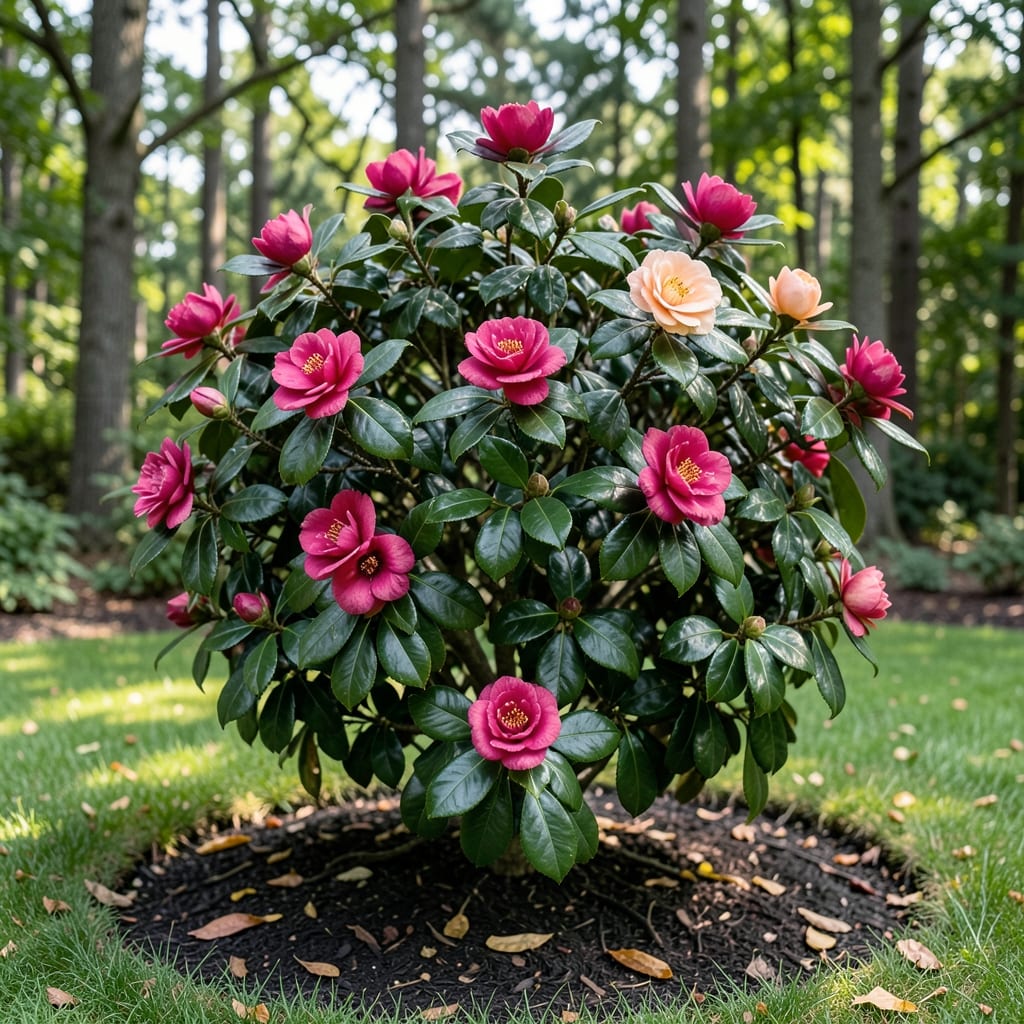
Curious about how tall can camellias grow before they start dominating your backyard? These stunning 🌸 shrubs can range from compact 3-foot dwarfs to towering 20-foot trees, depending on the variety you choose.
If you've ever admired a camellia's glossy leaves and delicate blooms, you know they're a garden standout—but their height can vary wildly. Some varieties stay neatly contained, perfect for foundation plantings, while others grow tall enough to rival small trees. The key to managing their size lies in understanding their growth habits and care needs.
Whether you're dreaming of a privacy hedge or a single statement plant, knowing which camellia fits your space is everything. I'll break down the height differences between popular types and share practical tips to keep your camellias at your desired size—no matter how big your garden dreams are.
From selecting the right variety to mastering pruning techniques, you'll learn how to create the perfect camellia display that works for your yard. Let's dive into the details so you can plan with confidence!


Camellia height variations by species: from dwarf to giant trees
Camellias are stunning year-round shrubs that can range from compact patio plants to towering trees, depending on the variety. If you're planning your garden layout, knowing how tall camellias grow is essential for creating the perfect space. Some varieties stay under 6 feet, while others can reach 20 feet or more, making them ideal for large landscapes or even as specimen trees.
The two most popular species—Camellia japonica and Camellia sasanqua—offer the widest range of heights. Camellia reticulata, often called the "mountain camellia," can grow even taller, with some varieties reaching 30 feet in ideal conditions. Let’s break down the height variations so you can choose the perfect camellia for your garden.
🌸 Height Variations by Species
| Variety | Mature Height Range | Growth Rate | Best For |
|---|---|---|---|
| Camellia japonica (Standard) | 10–20 ft | Slow to moderate | Large gardens, specimen plants |
| Camellia japonica (Dwarf) | 3–6 ft | Slow | Patios, containers, small gardens |
| Camellia sasanqua | 6–15 ft | Moderate | Hedges, borders, small trees |
| Camellia reticulata | 15–30 ft | Moderate to fast | Large landscapes, woodland gardens |
| Camellia x williamsii (Hybrid) | 8–12 ft | Moderate | Medium-sized gardens, hedges |
If you're working with limited space, dwarf varieties like 'Elegans' (Camellia japonica) or 'Yuletide' (Camellia sasanqua) are excellent choices. These stay under 6 feet and thrive in containers, making them perfect for patios or balconies. For larger gardens, Camellia reticulata varieties like 'Red Spider' can create a dramatic focal point with their towering height and vibrant blooms.
Another factor influencing height is the growing environment. Camellias planted in rich, acidic soil with partial shade tend to grow taller and fuller. In contrast, those in harsh sunlight or poor soil may stay shorter and more compact. Pruning also plays a role—regular trimming can keep even large varieties manageable while encouraging bushier growth.
For gardeners in USDA Zones 7-10, where camellias thrive, height potential is often fully realized. In cooler zones, growth may be slower, but with proper care, even Camellia reticulata can still reach impressive heights over time. If you're unsure which variety to choose, consider your garden’s layout and the mature height of nearby plants to avoid overcrowding.
One of my favorite camellias for smaller spaces is 'Kramer's Supreme', a Camellia sasanqua that stays around 6 feet tall but produces abundant flowers from fall to winter. It’s perfect for adding color to a mixed border or as a standalone shrub. For a bold statement, 'Spring's Promise', a Camellia japonica, can grow up to 15 feet and blooms profusely in spring.
When planning your garden, always consider the mature height of your camellias. A 15-foot camellia planted too close to a house or driveway will eventually outgrow its space, requiring regular pruning or even removal. Measure your space carefully and leave room for growth—camellias are long-lived plants that can thrive for decades with the right care.
🌿 Whether you're dreaming of a towering camellia tree or a compact patio plant, there’s a variety to fit every garden. Start by selecting a species that matches your space and climate, then give it the acidic soil and partial shade it craves. With the right conditions, your camellias will reward you with years of beautiful blooms and lush foliage.
Camellia height variations by species: from dwarf to giant trees
Camellias are incredibly diverse in height, ranging from compact shrubs perfect for containers to towering trees that make bold landscape statements. The Camellia japonica species, for example, often reaches 10–20 feet at maturity, while Camellia sasanqua varieties typically stay between 6–12 feet. Understanding these differences helps you choose the right variety for your space.
For smaller gardens, dwarf camellias like 'Yuletide' (a Camellia sasanqua) max out at 3–6 feet, making them ideal for patios or foundation plantings. Meanwhile, Camellia reticulata varieties can soar to 20–30 feet, resembling small trees with their thick trunks and sprawling canopies.
Here’s a quick comparison of how different camellia species grow over time:
| Variety | Mature Height | Growth Rate | Ideal Use |
|---|---|---|---|
| Camellia japonica | 10–20 ft | Slow to moderate | Specimen trees, hedges |
| Camellia sasanqua | 6–12 ft | Moderate | Foundation plants, borders |
| Camellia reticulata | 20–30 ft | Moderate to fast | Large landscapes, focal points |
| Dwarf varieties (e.g., 'Yuletide') | 3–6 ft | Slow | Containers, small gardens |
If you’re planning a camellia hedge, opt for Camellia sasanqua varieties like 'Bonanza' or 'Cape Honeysuckle,' which stay between 6–10 feet. These varieties also bloom later in the season, offering winter interest when many other plants are dormant.
For urban gardens with limited space, consider columnar camellias like 'Spring’s Promise,' which grows vertically to 8–10 feet while maintaining a narrow profile. This makes them perfect for tight spaces along fences or walkways.
Remember, soil quality and pruning habits can influence height significantly. Well-drained, acidic soil (pH 5.0–6.0) encourages healthier growth, while regular pruning can keep even large varieties in check.
🌿