
How To
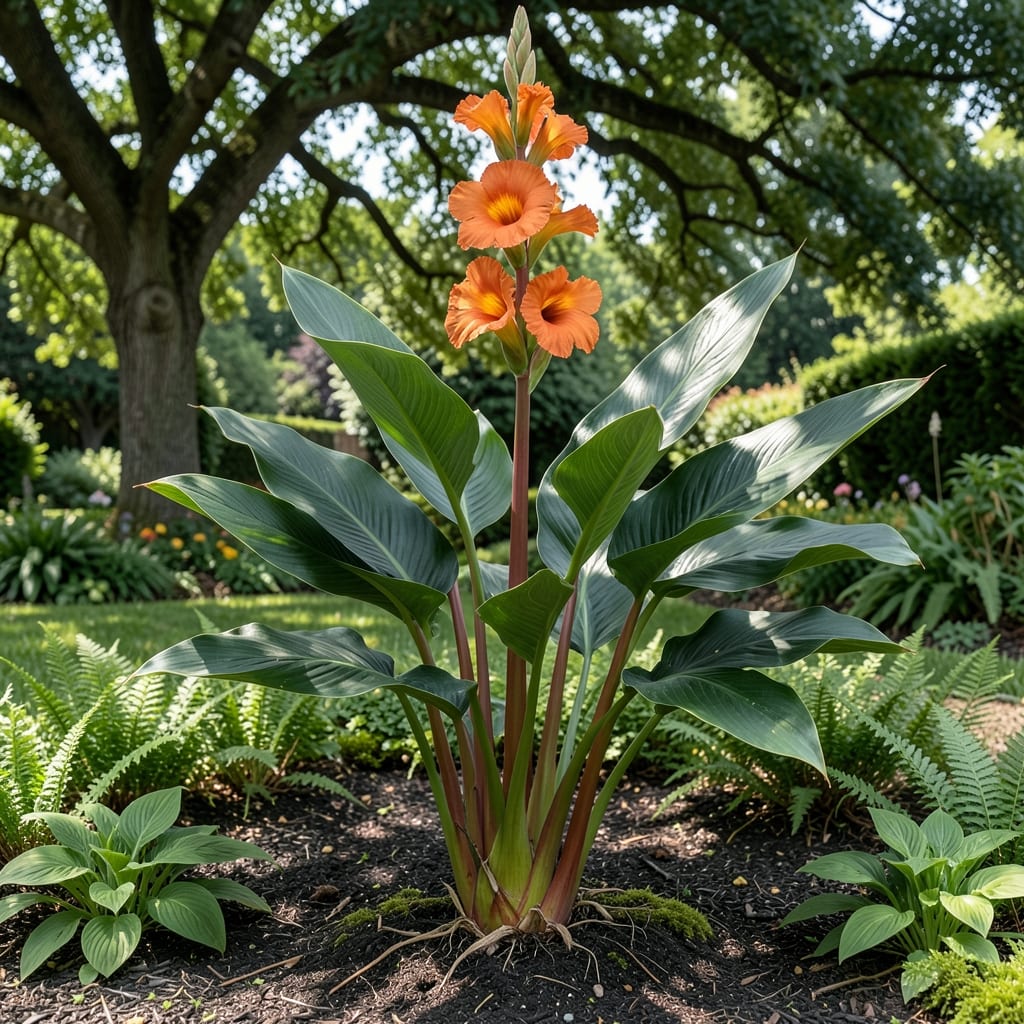
If you're dreaming of adding dramatic tropical flair to your 6a garden but wondering how tall cannas can grow, you're in the right place. These bold beauties can shoot up to an impressive 7 feet—or stay as short as 2 feet—depending on the variety, making them surprisingly versatile for any garden style.
The key to getting the most out of your cannas lies in understanding their growth patterns and how they mature over time. Whether you're working with a dwarf variety for containers or a towering giant for borders, knowing their potential height helps you plan spacing, supports, and even pruning strategies to keep them thriving.
In this guide, I'll break down exactly how tall different canna varieties can grow, from compact 2-foot dwarfs to 7-foot giants, and share practical tips for managing their height—whether you're dealing with floppy stems or limited garden space. By the end, you'll know exactly how to give your cannas the room they need to shine.
Ready to transform your garden with these eye-catching perennials? Let's dive into the heights, spacing rules, and pro tips that will help you grow cannas like a pro—no matter how much vertical space you have to work with.


Canna lily height ranges by variety: from dwarf to giant
When planning your garden layout, knowing how tall cannas grow is essential—especially since their height can vary dramatically from one variety to another. Some stay compact enough for container gardening, while others reach towering heights that demand careful placement in your landscape. The good news? You can find a canna that fits almost any space, from a small patio to a sprawling backyard.
Canna heights typically fall into four broad categories: dwarf (2–3 ft), semi-dwarf (3–4 ft), standard (4–6 ft), and giant (6–7 ft). The variety you choose directly impacts not only the vertical space it occupies but also the foliage size and bloom production. For example, taller cannas often produce larger, showier flowers but may require staking to prevent flopping in wind or rain.
Here’s the breakdown you need to plan your garden like a pro, including popular varieties and their mature heights:
| Variety | Height Range (Mature) | Foliage Spread | Bloom Size | Best For |
|---|---|---|---|---|
| 'Pyramid' (Dwarf) | 2–3 ft | 12–18 in | 2–3 in | Containers, borders, small gardens |
| 'Striped' (Semi-Dwarf) | 3–4 ft | 18–24 in | 3–4 in | Mixed borders, patio pots |
| 'Australia' (Standard) | 4–6 ft | 24–36 in | 4–5 in | Backyard borders, cut flowers |
| 'Black Knight' (Giant) | td style="padding: 8px; border-bottom: 1px solid #ccc;">6–7 ft36–48 in | 5–6 in | Statement plants, large gardens | |
| 'Cleopatra' (Standard) | 4–5 ft | 20–28 in | 3–4 in | Cutting gardens, containers |
| 'Tropical Sun' (Giant) | 6–7 ft | 30–40 in | 5 in | Tropical-themed gardens, backdrops |
As you can see, the tallest cannas like 'Black Knight' and 'Tropical Sun' can easily outpace your average garden trellis, making them perfect for creating dramatic focal points. Meanwhile, dwarf varieties like 'Pyramid' are ideal for container gardening or adding height to small spaces without overwhelming them. The key is matching the variety to your garden’s layout and your personal style.
One thing to note: cannas tend to grow taller each year as they establish themselves. A 3-foot canna in its first year might reach 5 feet by its third season, so plan accordingly if you’re planting near structures or other plants. This gradual growth also means you can adjust your spacing strategy over time to accommodate their expanding size.
For USDA Zone 6a gardeners, height isn’t the only factor to consider—cold hardiness varies slightly by variety. While most cannas are tender perennials, some dwarf and semi-dwarf types may tolerate cooler temperatures better, making them a safer bet for areas with shorter growing seasons. Always check the specific variety’s care requirements before planting.
Now that you know the height ranges, the next step is ensuring your cannas have the right amount of space to thrive. Crowding can stunt their growth and reduce those stunning blooms you’re after, so let’s dive into the spacing rules that will keep your cannas looking their best—no matter how tall they grow.
Canna lily height ranges by variety: from dwarf to giant
When planning your canna lily garden, one of the first questions I always ask is: how tall can cannas grow? The answer varies wildly depending on the variety, with some staying as short as 2 feet while others shoot up to 7 feet. Understanding these height ranges helps you choose the perfect cannas for your space—whether you're working with a cozy container garden or a sprawling border planting.
Cannas are divided into four main height categories: dwarf, semi-dwarf, standard, and giant. Each category not only differs in height but also in foliage size and bloom structure. For example, giant varieties often produce larger, more dramatic flowers but require more support and space to thrive.
Here’s a quick breakdown of what to expect from each category, including some of my favorite varieties that showcase the range:
| Variety Type | Mature Height | Foliage Spread | Bloom Size | Best For |
|---|---|---|---|---|
| Dwarf | 2–3 ft | 1–2 ft wide | 3–4 inches | Containers, window boxes, small gardens |
| Semi-Dwarf | 3–4 ft | 2–3 ft wide | 4–6 inches | Borders, mixed beds, medium containers |
| Standard | 4–6 ft | 3–4 ft wide | 6–8 inches | Back of borders, focal points, large containers |
| Giant | 6–7 ft | 4–5 ft wide | 8–12 inches | Large gardens, tropical-themed areas, privacy screens |
🌺 Pro Tip: Giant varieties like 'Red King Humbert' or 'Australia' can reach 7 feet but need sturdy supports to prevent flopping.
If you're growing cannas in containers, dwarf or semi-dwarf varieties are your best bet. For example, 'Purple Haze' stays around 3 feet tall and thrives in a 15-gallon pot, making it perfect for patios or balconies. Meanwhile, taller varieties like 'Black Knight' or 'Wyoming' can dominate a garden bed but need 18–24 inches of space between plants to avoid crowding.
Another factor to consider is how height correlates with flower production. Taller cannas often produce larger blooms, but they also require more nutrients and sunlight to support their growth. For instance, giant varieties may need additional staking or even trellis support to keep their stems upright, especially in windy conditions. In my experience, a little extra care for these towering beauties pays off with showstopping blooms that draw everyone’s attention.
For those with limited vertical space, don’t overlook the compact cannas. Varieties like 'Carl' or 'Durban' stay under 3 feet but still deliver vibrant blooms in shades of red, orange, and yellow. They’re ideal for small gardens, window boxes, or even hanging baskets with proper care. The key is to match the variety to your space and then provide the right conditions for them to thrive.