
Flowers
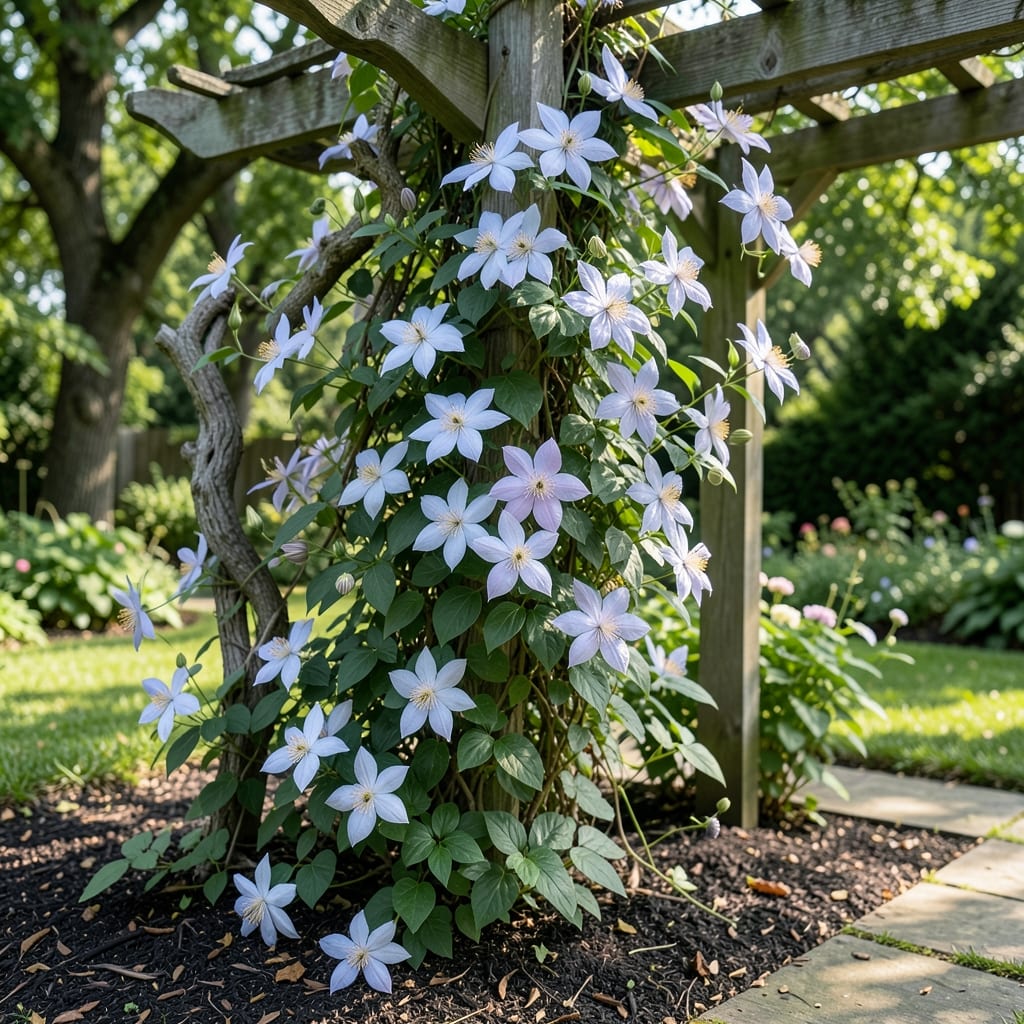
If you’ve ever wondered how tall can clematis grow, you’re in for a surprise—these stunning vines can stretch from modest 3-foot shrubs to breathtaking 30-foot giants! The difference isn’t just luck; it’s all about the variety, care, and support you provide. Whether you’re dreaming of a vertical garden or just want to keep your clematis 🌸 in check, understanding these factors is key.
Imagine a clematis climbing your trellis like a living waterfall, its delicate blooms cascading overhead. But here’s the catch: not all clematis behave the same. Some varieties thrive as bushy, compact plants, while others reach for the sky like eager acrobats. The right pruning and support can turn a 10-foot vine into a 20-foot masterpiece—or keep it neatly contained in a small garden.
In this guide, I’ll break down the secrets behind clematis growth—from dwarf varieties perfect for containers to towering climbers that need sturdy structures. You’ll learn how sunlight, pruning, and even your local climate play a role in shaping your plant’s height. Ready to transform your garden with these versatile vines?
Whether you’re a beginner or a seasoned gardener, these insights will help you choose the perfect clematis for your space. Let’s dive in and uncover the magic behind their incredible growth potential!


Clematis height ranges by variety: from dwarf to giant climbers
The height of clematis varies dramatically depending on the variety, with some staying compact while others become architectural giants. Choosing the right type for your space is key—whether you have a small balcony or a sprawling garden. Let’s explore the four main height categories and their ideal growing conditions to help you visualize the possibilities.
Dwarf clematis varieties like 'Fascination' or 'Jackmanii' (when pruned) typically max out at 3-6 feet, making them perfect for containers or low trellises. These compact plants thrive in partial shade and require minimal support, ideal for urban gardens or patios where space is limited. Their smaller stature also means less maintenance, though they still produce stunning blooms.
Medium-height clematis, such as 'Nelly Moser' or 'Comtesse de Bouchard', reach 6-12 feet at maturity. These varieties strike a balance between manageable size and dramatic impact, often climbing small arbours or fences. They prefer full sun to partial shade and benefit from regular pruning to encourage bushier growth. Their versatility makes them a favorite for gardeners with moderate space.
| Variety Type | Mature Height | Sunlight Needs | Ideal Support | Pruning Group |
|---|---|---|---|---|
| Dwarf | 3-6 ft | Partial shade | Small trellis or container | Group 1 or 2 |
| Medium | 6-12 ft | Full sun to partial shade | Arbor or fence | Group 2 or 3 |
| Large | 12-18 ft | Full sun | Strong trellis or wall | Group 3 |
| Giant | 18-30+ ft | Full sun | Large structure (pergolola) | Group 3 |
Large clematis varieties, such as 'Montana' or 'Perle d'Azur', can climb 12-18 feet, making them ideal for covering walls or tall trellises. These plants love full sun and need sturdy support to handle their weight. Their vigorous growth makes them perfect for creating privacy screens or adding vertical interest to large gardens. Just be prepared for regular pruning to keep them in check.
For the ultimate vertical drama, giant clematis like 'Jackmanii' or 'Warsaw Nursery' can reach 20-30 feet or more with the right conditions. These varieties are best suited for large gardens with strong structures like pergolas or arbors. They thrive in full sun and require consistent moisture and nutrients to support their rapid growth. If you’re aiming for a grand, fairy-tale-like garden, these are the vines to choose.
Remember, the height of clematis isn’t set in stone—proper pruning and support can encourage or limit growth. For example, 'Jackmanii', a classic giant variety, can be pruned aggressively to stay around 10 feet if space is limited. The key is understanding your variety’s growth habits and adjusting your care accordingly. With the right approach, you can train even the tallest clematis to fit your garden’s vision.
Whether you’re drawn to the elegance of dwarf varieties or the grandeur of giants, there’s a clematis height range to suit every gardener’s needs. The next step? Choosing the perfect variety and giving it the support it deserves to reach its full potential. Ready to transform your space with these stunning climbers?
What determines clematis height: genetics, pruning, and support
Clematis height isn’t just about luck—it’s a mix of genetics, pruning techniques, and the support structure you provide. The first key factor is the plant’s classification into three pruning groups, each with distinct growth patterns. Group 1 varieties (like 'Jackmanii') bloom on previous year’s growth and can reach 10-20 feet with proper care, while Group 3 varieties (like 'Fascination') bloom on current season’s growth and typically stay 3-6 feet tall.
Your pruning approach makes a huge difference too. Hard pruning (cutting back to strong buds in late winter) encourages vigorous growth in Group 1 and 2 clematis, potentially doubling their height. Meanwhile, soft pruning (light trimming after flowering) keeps Group 3 varieties compact. Remember: over-pruning young plants can stunt their growth potential entirely—always leave at least 2-3 buds when pruning.
The support structure you choose directly impacts how tall your clematis will grow. A trellis or arbor gives vines vertical space to climb, while horizontal wires or fences encourage bushier growth. Without proper support, even vigorous varieties will sprawl rather than reach their full height potential. I’ve seen 'Jackmanii' clematis grow 25 feet tall on a sturdy pergola, while the same variety on a small fence stayed under 8 feet.
Growth Factors: Pros & Cons
Determines max height potential (e.g., Group 1 vs. Group 3).
Hard pruning = taller growth; soft pruning = compact.
Trellises enable vertical growth; wires encourage bushiness.
Stunts growth; never cut more than 1/3 of plant.
Causes sprawling growth instead of vertical climbing.
Leads to weak stems and limited height potential.
Sunlight exposure also plays a crucial role. Clematis need 6+ hours of direct sun to reach their maximum height, but too much afternoon sun in hot climates can stress the plant. In my Zone 7 garden, I’ve noticed 'Jackmanii' grows 30% taller when planted in morning sun with afternoon shade compared to full sun exposure. The key is finding that balance between light and moisture—both are essential for vigorous growth.
Another common misconception is that all clematis need the same care. In reality, Group 1 varieties (like 'Nelly Moser') benefit from early spring feeding to fuel their first flush of blooms, while Group 3 varieties (like 'Ernest Markham') thrive with summer pruning to encourage more flowers. Tailoring your care to the specific group ensures you’re maximizing—not limiting—your plant’s height potential.
For gardeners with limited space, understanding these factors means you can choose varieties and care methods that work perfectly for your layout. Whether you want a 3-foot bush clematis for a container or a 20-foot trellis climber, the right combination of genetics, pruning, and support will get you there. The secret is patience—clematis often take 2-3 years to reach their mature height, but the results are worth the wait!