
How To
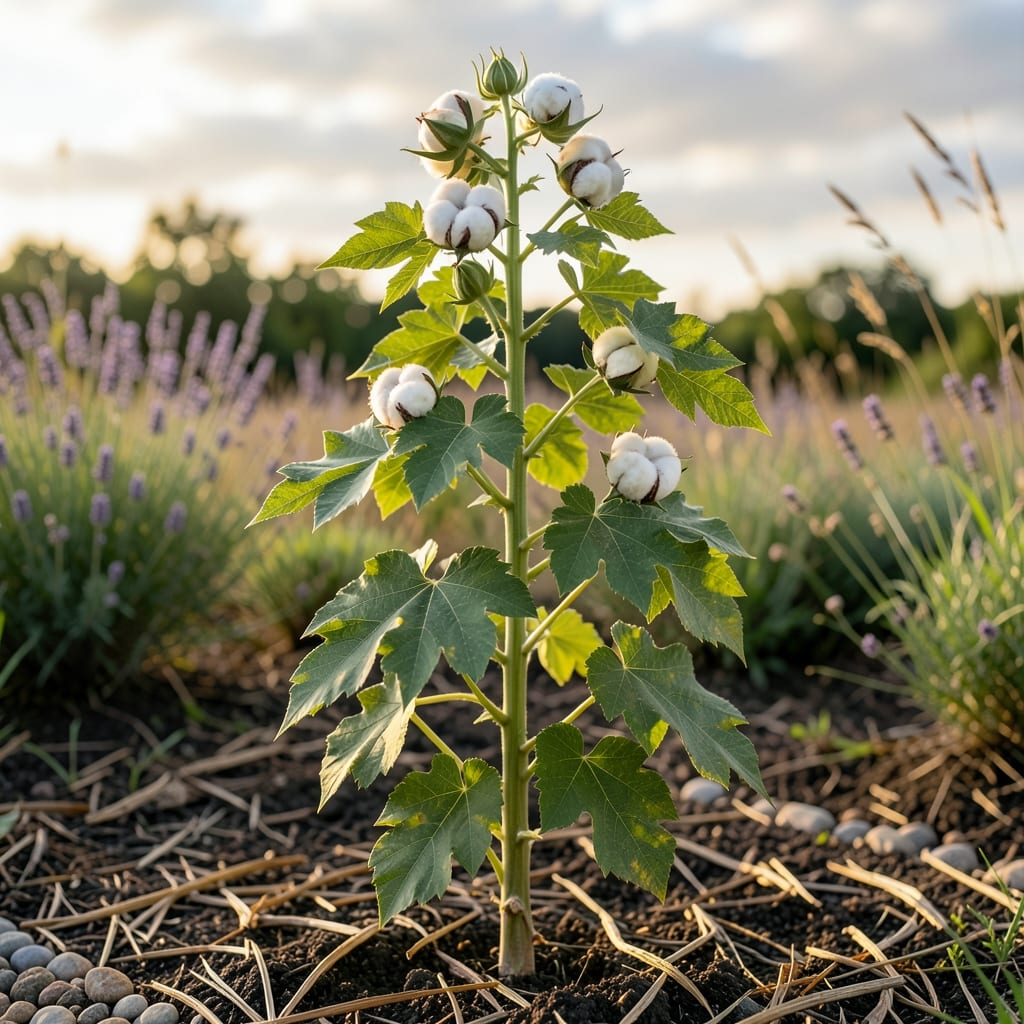
If you’ve ever wondered how tall cotton can grow, you’re not alone—some varieties reach heights that rival a two-story house! 🧵 Understanding these growth ranges isn’t just fascinating; it’s the key to choosing the right cotton for your garden, whether you’re aiming for lush commercial yields or just admiring the striking blooms.
Cotton plants like Gossypium spp. can vary wildly in height, from compact dwarf varieties under 3 feet to giants stretching over 8 feet. The difference often comes down to the variety, climate, and even soil quality. For example, Pima cotton—loved for its long fibers—can easily top 6 feet, while some ornamental types stay shorter and bushier.
But here’s the catch: taller cotton needs the right conditions to thrive. In warmer climates like USDA Zone 6a, plants planted in spring (April-May) can grow aggressively, especially with proper spacing and support. Meanwhile, cooler regions might see more modest growth unless you pick hardy, shorter varieties.
Whether you’re a backyard gardener or a curious grower, knowing these heights helps you plan for space, support structures, and even harvest timing. Let’s break down the factors that make cotton grow tall—and how you can encourage (or control) that growth in your own garden.


Cotton growth heights by variety: tallest records and common types
Cotton plants (Gossypium spp.) showcase incredible height diversity, from compact ornamental types under 3 feet to towering commercial giants exceeding 8 feet. The variety you choose directly impacts not just height but also yield potential and fiber quality. For example, Pima cotton often reaches 6-8 feet with its prized long-staple fibers, while upland cotton varieties typically stay between 5-7 feet.
Even within commercial types, heights vary dramatically. Some exotic cotton varieties like Gossypium barbadense can stretch over 8 feet under ideal conditions, while dwarf varieties bred for containers max out at 3-4 feet. This range makes cotton adaptable for everything from large-scale farms to small urban gardens, as long as you match the variety to your space and goals.
🌱
| Variety | Height Range | Key Features | Best For |
|---|---|---|---|
| Pima Cotton (Gossypium barbadense) | 6-8 ft | Long-staple fibers, drought-tolerant | Commercial fiber, warm climates |
| Upland Cotton (Gossypium hirsutum) | 5-7 ft | High yield, short season | Home gardens, fiber production |
| Dwarf Ornamental Cotton | 2-3 ft | Compact, colorful bolls | Containers, small gardens |
| Sea Island Cotton | 7-9 ft | Luxury fibers, heat-loving | Specialty markets, tropical zones |
| Egyptian Cotton | 6-7 ft | Extra-long staple, high quality | Textile industry, warm regions |
If you're growing cotton for fiber production, taller varieties like Pima or Sea Island are ideal—they produce longer, stronger fibers but require more space and warmer climates. Meanwhile, upland cotton is the go-to for home gardeners in cooler zones (USDA Zones 6-9) because it matures faster and handles shorter seasons better.
For small-space gardening, dwarf varieties are a game-changer. They stay under 3 feet but still produce decorative bolls perfect for cut flowers or dried arrangements. Just be aware that these shorter types often yield less fiber per plant, so they’re better suited for ornamental purposes than commercial harvests.
One surprising fact: cotton height isn’t just genetic—it’s heavily influenced by growing conditions. A Pima cotton plant in USDA Zone 10 might hit 8 feet, while the same variety in Zone 7 could max out at 5 feet due to cooler temperatures. This variability is why local climate data is critical when selecting varieties.
For maximum height potential, focus on soil fertility, water consistency, and sun exposure. Even the tallest cotton varieties need full sun (8+ hours daily) and well-draining soil to reach their genetic height limits. Skimp on these, and you’ll see stunted growth regardless of the variety.
🌿
Pro tip: If you’re growing tall cotton varieties in your garden, plan for support structures like trellises or stakes. Without support, plants can flop over under the weight of bolls and blooms, reducing airflow and increasing disease risk. Even 5-foot varieties benefit from gentle staking to keep them upright and productive.
Finally, remember that height doesn’t always equal yield. Some shorter varieties produce more bolls per square foot than taller types, making them more efficient for small gardens. Always balance your space constraints with your harvest goals when choosing cotton varieties.
✂️
How climate Zones affect cotton height: from tropical to temperate regions
Cotton plants thrive best in warm climates, but their height potential varies dramatically depending on your USDA climate zone. In tropical regions (Zones 10-12), cotton can grow aggressively, often reaching 7-9 feet thanks to year-round warmth and long growing seasons. Meanwhile, in cooler temperate zones (Zones 6-8), heights typically stay between 4-6 feet unless you choose hardy varieties like upland cotton.
The key factor is frost-free days. Cotton needs at least 160 days of warm weather to reach its full height. In Zone 6a, where frost can arrive as early as October 31, plants may only grow to 5-6 feet before maturing. Conversely, in Zone 10, where the growing season stretches from April to November, Pima cotton can easily hit 8 feet or more.
🌡️
| USDA Zone | Avg. Height Range | Best Varieties | Growing Season |
|---|---|---|---|
| Zones 10-12 | 7-9 ft | Pima, Sea Island | Year-round |
| Zones 8-9 | 6-8 ft | Egyptian, Upland | April-October |
| Zones 6-7 | 4-6 ft | Upland, Dwarf | May-September |
| Zones 4-5 | 3-4 ft | Dwarf Ornamental | June-August |
Rainfall also plays a critical role in cotton height. Too much moisture can stunt growth, while drought conditions may slow it down but often result in hardier, taller plants once water returns. In arid regions, varieties like Pima cotton thrive because they’re bred for water efficiency, allowing them to grow taller with less irrigation.
For cooler climates, extend the growing season by planting early varieties in April and using row covers to protect young plants from late frosts. Even in Zone 6a, with 165 frost-free days, you can coax 6-foot plants by providing consistent warmth and rich soil. Just avoid planting after June, as bolls won’t mature before frost.
🌧️
If you’re in a transition zone (Zones 7-8), focus on soil preparation to boost height. Amend clay soils with compost to improve drainage, and mulch heavily to retain moisture. In these zones, Egyptian cotton often hits 7 feet with proper care, while upland cotton may stay around 5-6 feet unless given extra nutrients.
One common mistake is assuming taller always means better. In shorter seasons, prioritize early-maturing varieties over height. For example, a 4-foot dwarf cotton in Zone 5 will yield more bolls than a 6-foot variety that struggles to mature before frost. Always match your climate zone to the variety’s maturity timeline.
✂️