
Plants
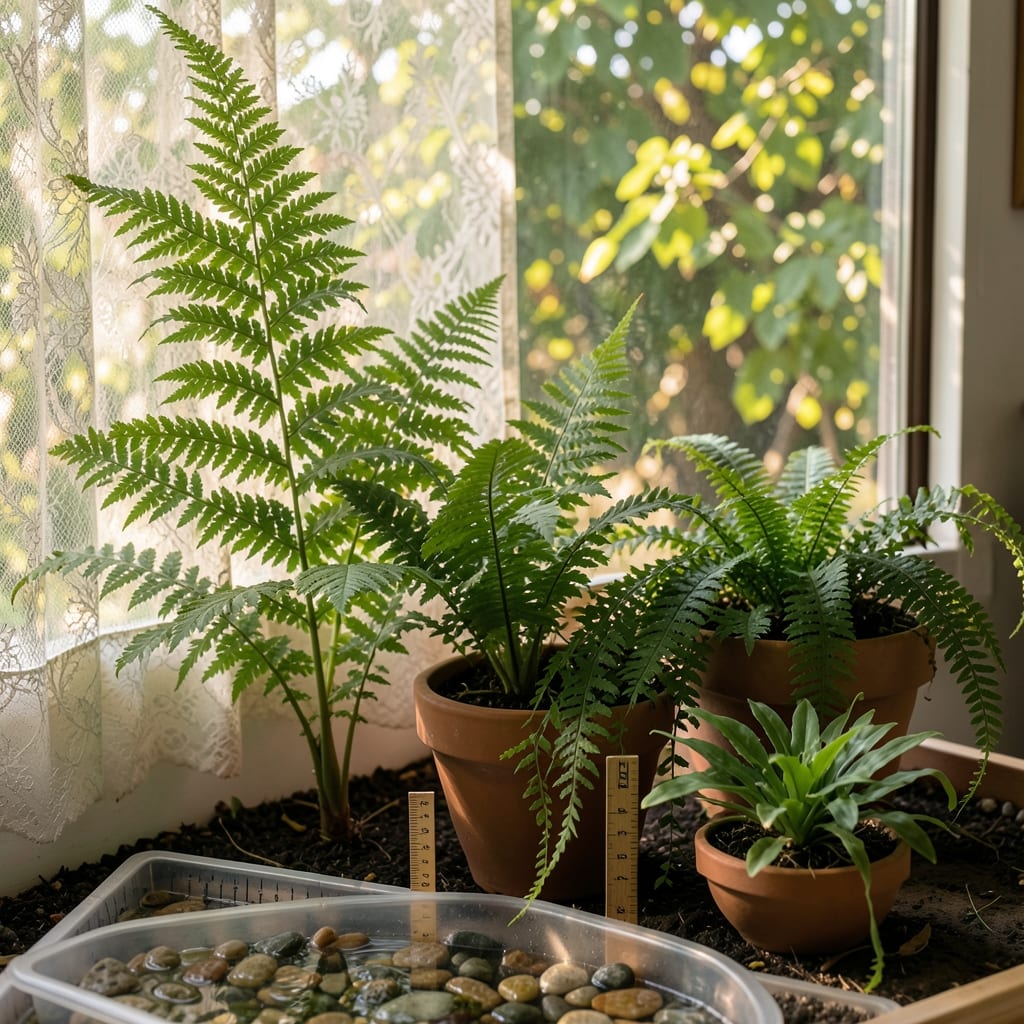
If you’ve ever wondered just how tall ferns can grow, you might be surprised to learn that some varieties stretch toward the sky like tiny, leafy trees—reaching heights of 12 feet or more. These lush, towering plants aren’t just for shady corners; they can transform your garden into a verdant retreat, especially in USDA Zone 6a and beyond.
The key to unlocking their full potential lies in understanding which fern species lean toward the sky and how to nurture them. Whether you’re dreaming of a dramatic woodland garden or simply want to add vertical interest to your space, the right conditions—like moist, well-draining soil and indirect light—make all the difference. Let’s explore the tallest fern varieties and the secrets to growing them to their impressive heights.
From delicate maidenhair ferns that barely brush your knee to hardy tree ferns that rival small shrubs, the range of heights is staggering. But don’t let their size intimidate you—even the giants can thrive in containers or along shady borders with the right care. Ready to discover which ferns will reach for the sky and how to encourage their growth?
Whether you’re a seasoned gardener or just starting out, this guide will help you choose the perfect ferns for your space and give them the love they need to flourish. With the right approach, you could soon be surrounded by a green, leafy canopy that’s as stunning as it is functional.


Tallest fern species: which varieties reach 12+ feet?
When it comes to ferns that defy expectations, the Osmunda regalis—or royal fern—tops the list, stretching up to 12 feet tall in ideal conditions. Native to wetlands and stream banks, this hardy fern thrives in USDA Zones 4-9, making it a fantastic choice for gardeners in cooler climates. Its feathery fronds create a dramatic backdrop, especially when planted in clusters near water features or along shady garden borders.
The Matteuccia struthiopteris, or ostrich fern, is another towering contender, often reaching 4-5 feet tall but capable of surpassing 6 feet in rich, moist soil. Its distinctive, ostrich-plume-like fronds add architectural interest, and it’s perfect for woodland gardens or as a focal point in containers. This fern prefers USDA Zones 3-8 and loves the dappled shade of mature trees.
For those dreaming of tree-like ferns, the Dicksonia antarctica (also called the soft tree fern) is a showstopper, with some specimens growing 10-12 feet tall over time. Native to New Zealand and Australia, this fern thrives in USDA Zones 9-11 and requires consistent humidity and protection from harsh winds. Its trunk-like stems and large, lush fronds make it a standout in tropical or coastal gardens.
Don’t overlook the Matteuccia pensylvanica, or painted fern, which typically reaches 2-3 feet but can grow taller in optimal conditions. Its vibrant, multi-colored fronds add a splash of color to shady spots, and it’s one of the hardiest ferns, flourishing in USDA Zones 3-8. While not a giant, its adaptability makes it a great companion for taller ferns in mixed plantings.
If you’re in USDA Zone 6a or warmer, the Cyathea cooperi (or Australian tree fern) is another impressive option, often reaching 8-10 feet tall. This fern loves humidity and partial shade, making it ideal for greenhouse settings or as a statement plant in larger gardens. Its ability to thrive in containers also makes it a versatile choice for patios or balconies.
To help you visualize the differences, here’s a quick comparison of the tallest fern species and their growth characteristics:
| FERN VARIETY | MATURE HEIGHT | USDA ZONES | GROWTH RATE | IDEAL LOCATION |
|---|---|---|---|---|
| Osmunda regalis (Royal Fern) | 10-12 ft | 4-9 | Moderate | Wetlands, stream banks |
| Matteuccia struthiopteris (Ostrich Fern) | 4-6 ft | 3-8 | Fast | Woodland gardens, shade |
| Dicksonia antarctica (Soft Tree Fern) | 10-12 ft | 9-11 | Slow to moderate | Tropical, coastal gardens |
| Cyathea cooperi (Australian Tree Fern) | 8-10 ft | 9-11 | Moderate | Greenhouses, patios |
| Matteuccia pensylvanica (Painted Fern) | 2-3 ft (can exceed 4 ft) | 3-8 | Moderate | Shady borders, containers |
Choosing the right fern for your garden depends on your climate, space, and sunlight conditions. For example, the Osmunda regalis is perfect for Zone 6a gardeners who want a
How to maximize fern height: light, soil, and care tips
To coax your ferns into reaching their full height potential—whether that’s 5 feet or 12 feet—you’ll need to focus on three critical factors: light exposure, soil conditions, and pruning practices. Unlike sun-loving plants, ferns thrive in indirect light, so positioning them correctly is key. A common mistake is placing them in too much shade, which slows growth, or direct sunlight, which can scorch delicate fronds.
Start by mimicking their natural habitat. Most tall ferns, like the ostrich fern or tree fern, grow under the canopy of larger trees where light filters gently through leaves. In your garden, this means positioning them near north-facing walls or under dappled shade from deciduous trees. For container-grown ferns, place them a few feet away from windows to avoid harsh afternoon rays.
Soil moisture is another game-changer. Ferns despise dry soil, which can cause fronds to brown at the tips. Aim for consistently damp (not soggy) conditions by mulching with peat moss or leaf litter to retain humidity. In containers, use a well-draining mix with 30% perlite or orchid bark to prevent root rot while keeping moisture levels high. Water deeply in the morning to reduce evaporation and fungal risks.
Pruning isn’t just about aesthetics—it’s a tool to encourage height. For tree ferns and ostrich ferns, remove old, brown fronds at the base in early spring to redirect energy to new growth. Avoid cutting healthy fronds unless they’re blocking light from lower leaves. For maidenhair ferns, trim back leggy stems to promote bushier, more upright growth. Always use sterilized shears to prevent disease spread.
Humidity plays a hidden role in fern height. In dry climates, mist fronds lightly in the morning or group ferns together to create a microclimate. A pebble tray filled with water under the pot can also boost humidity without overwatering. If you’re growing ferns indoors, a humidifier near their location can make a noticeable difference in their vigor and height over time.
Finally, feed your ferns sparingly during their active growing season (spring to early summer). Use a balanced, water-soluble fertilizer (like 10-10-10) diluted to half-strength every 4–6 weeks. Over-fertilizing leads to weak, floppy fronds that struggle to support their own weight. Pair feeding with regular mulching to lock in nutrients and moisture, giving your ferns the steady support they need to grow tall and strong.
With the right light, soil, and care, even compact ferns can stretch toward the sky—turning your garden into a verdant, leafy cathedral. Start with these tips, and watch your ferns reach heights you never thought possible!