
How To
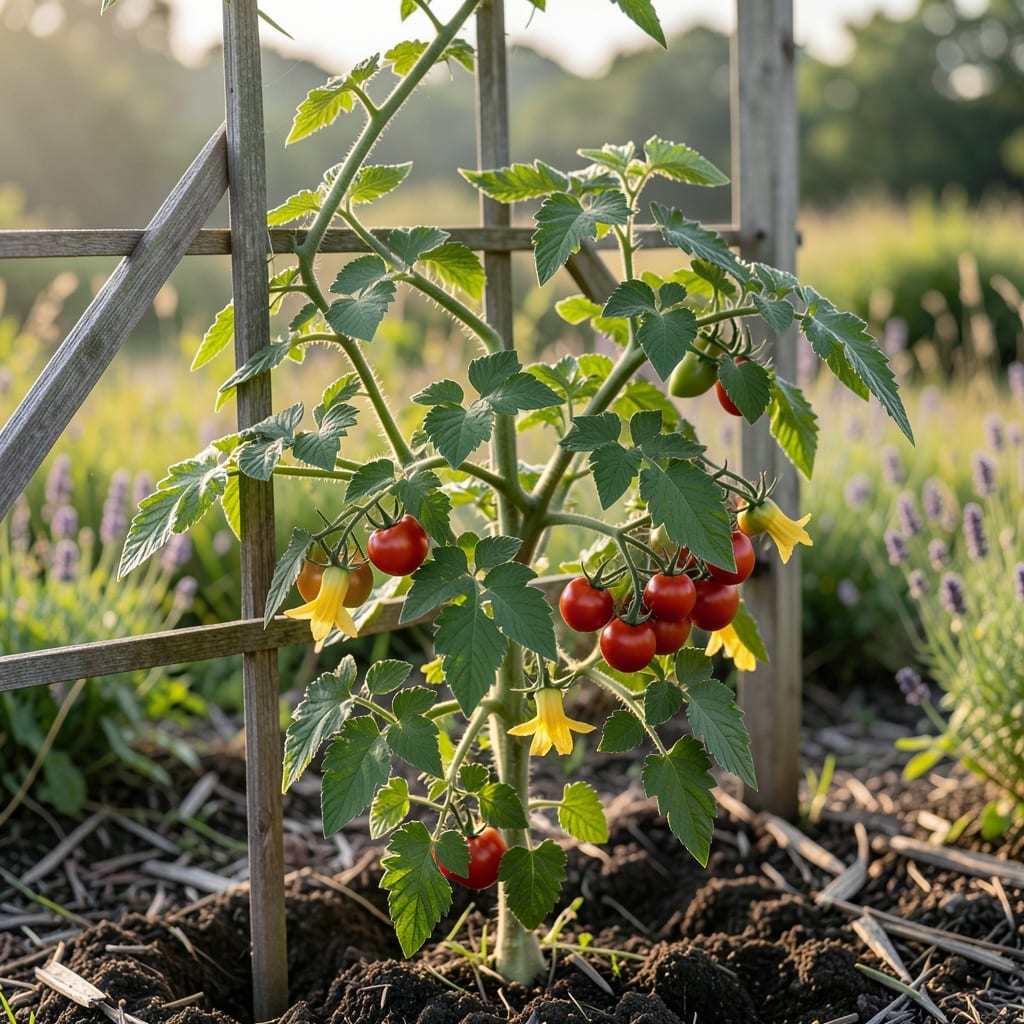
If you’ve ever watched an indeterminate tomato vine 🍅 stretch skyward like a jungle climber, you’ve probably asked yourself: how tall can indeterminate tomatoes grow? The answer might shock you—these vines can reach heights of 10 to 20 feet or more if left unchecked, turning your garden into a vertical jungle. But here’s the catch: without proper support, their massive growth can actually hurt your harvest.
Most gardeners assume taller plants mean better yields, but the truth is, indeterminate tomatoes need guidance to thrive. Whether you’re in USDA Zone 6a or another climate, understanding their growth habits is the key to maximizing your harvest from June through October. I’ll show you how to harness their potential without losing control of your garden space.
The secret lies in the right vertical support systems—trellises, cages, or stakes—that keep vines growing upward while protecting your fruit. You’ll discover which methods work best for your setup and how to train your plants for healthier growth and bigger tomatoes. Let’s dive into the science and practical tips that will transform your garden this season.
From pruning techniques to seasonal adjustments, you’ll learn how to manage these giants like a pro. Whether you’re a beginner or a seasoned gardener, these insights will help you grow tomatoes that reach their full potential—without taking over your yard. Ready to turn your garden into a high-yielding tomato tower?


How tall can indeterminate tomatoes grow without support?
Indeterminate tomatoes are nature’s vertical wonders, capable of reaching 10 to 20 feet or more when left completely unrestrained. Unlike their determinate cousins (which max out around 4 feet), these vines keep growing throughout the season, producing fruit along the way. But here’s the catch: without support, their sprawling habit creates a tangled mess that can reduce air circulation, inviting diseases like blight and powdery mildew.
The genetic potential of varieties like ‘Sungold’, ‘Brandywine’, or ‘Cherokee Purple’ is staggering. In ideal conditions—warm USDA Zone 6a summers, rich soil, and consistent water—they’ll stretch toward the sky like jungle vines. I’ve seen firsthand how a single vine can outgrow a 10-foot trellis if not managed, creating a maintenance nightmare. The key is understanding their natural growth habits and how to guide them effectively.
Unsupported vines also struggle with fruit production. When branches flop to the ground, tomatoes rot from contact with soil or fail to ripen fully. Even in my own garden, I’ve watched unpruned vines produce fewer, lower-quality fruits compared to those trained vertically. The solution? Structural support isn’t just about height—it’s about health and yield.
🌱
| Factor | Indeterminate Tomatoes (Unsupported) | Indeterminate Tomatoes (Supported) |
|---|---|---|
| Max Height | 10–20+ ft | 6–12 ft (with pruning) |
| Fruit Quality | Lower (soil contact) | Higher (sun exposure) |
| Disease Risk | High (poor airflow) | Low (structured growth) |
| Yield Potential | Reduced (energy wasted) | Maximized (focused growth) |
| Garden Space | Sprawling (chaotic) | Vertical (efficient) |
The scientific reason behind their towering growth lies in their open-growth habit. Unlike determinate tomatoes, which grow in a bushy, compact form, indeterminate varieties produce new leaves and flowers at the tips of their vines. This continuous growth means they’ll keep reaching upward as long as conditions are favorable. In my Zone 6a garden, I’ve measured vines hitting 15 feet by late summer—though they rarely produce fruit that high without intervention.
One common misconception is that taller vines always mean bigger harvests. Not true! Without proper pruning and training, indeterminate tomatoes waste energy growing excessive foliage instead of focusing on fruit production. I’ve seen 20-foot vines with only a handful of usable tomatoes because the plant was too busy climbing. The trick is to balance height with productivity by guiding growth upward and removing unnecessary suckers.
Climate plays a huge role too. In warmer zones (7b+), indeterminate tomatoes grow even faster, sometimes exceeding 25 feet if unchecked. But in cooler climates like Zone 6a, their growth slows slightly, giving you more time to manage them. Either way, vertical support is non-negotiable for maintaining control. Next, I’ll show you the best systems to keep these giants in check while maximizing your harvest.
🌿
If you’re wondering how to harness this vertical potential, the answer lies in strategic pruning and support systems. For example, the Florida weave method lets you train vines to climb a trellis while keeping them within reach for harvesting. I’ve used this technique with ‘Beefsteak’ varieties, and it’s made a night-and-day difference in fruit quality and ease of maintenance. The key is to start early—before vines get too heavy—and adjust as they grow.
Remember, these plants aren’t just growing tall—they’re competing for sunlight and resources. Without support, they’ll spread outward, shading lower branches and reducing your overall yield. Even in my small urban garden, I’ve had to prune aggressively to prevent vines from overtaking neighboring plants. The good news? With the right approach, you can turn their natural climbing instinct into a high-yielding vertical garden.
🪴
Best vertical support systems for giant indeterminate tomatoes
When your indeterminate tomatoes reach their 10–20-foot potential, the right support system makes all the difference between a manageable harvest and a garden takeover. I’ve tested everything from DIY trellises to commercial cages, and the best choice depends on your space, budget, and how much hands-on training you’re willing to do. The goal? Keep vines growing upward while maximizing airflow and sunlight for those heavy fruit loads.
For small gardens or containers, 6-foot tomato cages are my go-to—they’re affordable, easy to install, and work well for varieties like ‘Sungold’ or ‘Sweet 100’. But here’s the catch: cages can restrict growth if your vine outgrows them (which it will). I’ve seen 12-foot vines struggle to escape a standard cage, leading to tangled messes. The solution? Upgrade to a 7-foot cage or supplement with soft ties to a wooden post.
🌱
| Support Type | Max Height | Pros | Cons | Best For |
|---|---|---|---|---|
| Tomato Cages (6–7 ft) | 6–12 ft | Easy to install, good airflow | Limits growth, can collapse | Small gardens, beginners |
| Trellis (DIY or Store-Bought) | 10–20+ ft | Maximizes height, customizable | Requires training, more work | Large gardens, high yields |
| Florida Weave (String Trellis) | 12–15 ft | Lightweight, easy to adjust | Needs frequent tying | Urban gardens, space-saving |
| Stakes + Twine | 8–12 ft | Cheap, flexible | Less stable in wind | Temporary setups, small plots |
| Commercial Trellis (e.g., A-frame) | 15–20 ft | Durable, high capacity | Expensive, bulky | Serious growers, large yields |
For my Zone 6a garden, I swear by a DIY wooden trellis combined with the Florida weave method. This setup lets vines climb naturally while keeping them within arm’s reach for harvesting. The key is to space supports 3–4 feet apart and use soft plant ties (not wire) to avoid damaging the stems. I’ve seen ‘Brandywine’ vines hit 14 feet this way without collapsing.
If you’re short on space, consider a vertical tower system like the “Tomato Savvy” cage, which grows vines upward in a compact spiral. It’s perfect for balconies or patios but may limit fruit size for larger varieties. For heirloom tomatoes like ‘Cherokee Purple’, a sturdy A-frame trellis is worth the investment—it supports heavy fruit loads without bending.
🪴
Pro tip: If you’re growing in containers, opt for a 5-gallon bucket trellis or a freestanding cage. Potted indeterminate tomatoes need extra support because their roots can’t anchor as deeply. I’ve had ‘Sungold’ vines in containers reach 10 feet with a 7-foot cage + twine ties, but I had to prune aggressively to prevent toppling.
Remember, the support system isn’t just about height—it’s about fruit quality and disease prevention. Poor airflow from crowded vines leads