
How To
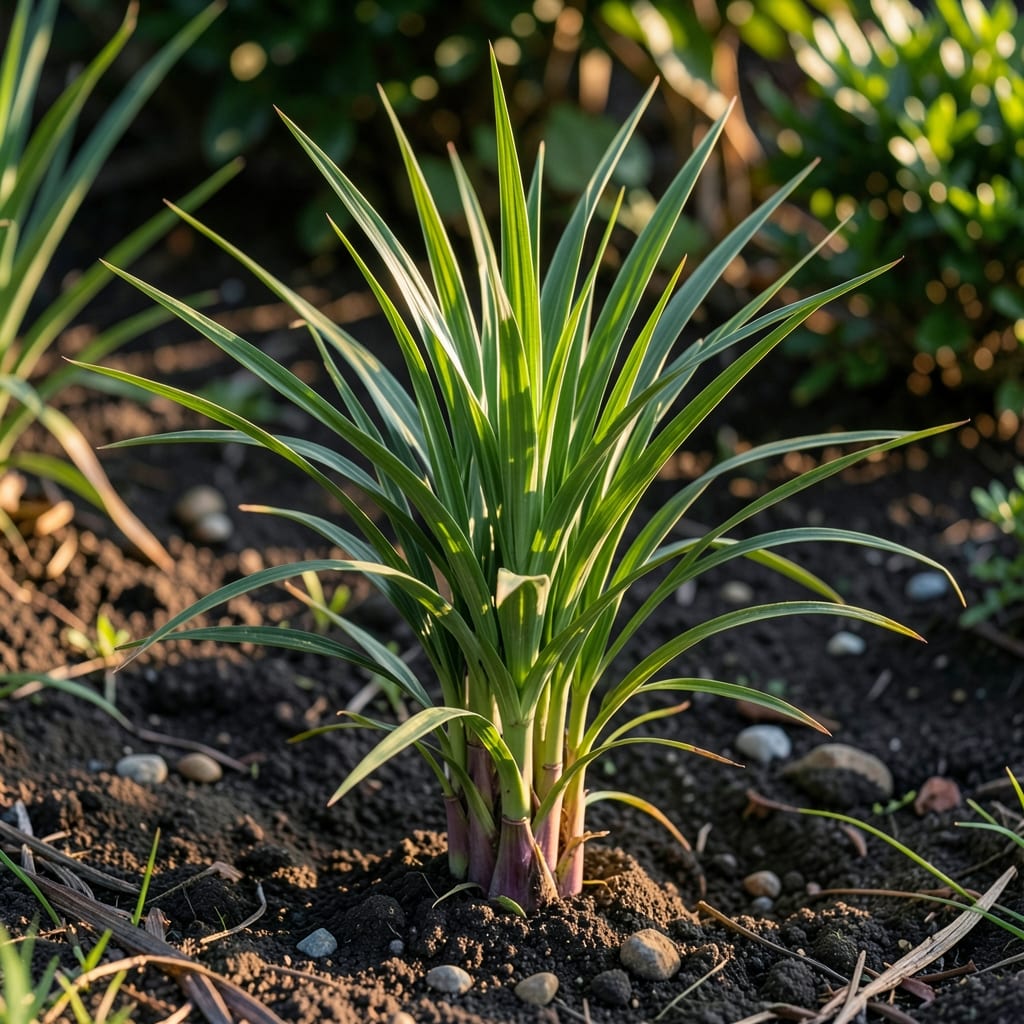
If you're dreaming of a lush, fragrant garden but wondering just how tall can lemongrass grow before it outpaces your space, you're not alone. This versatile 🌿 plant can reach impressive heights—sometimes even towering over 6 feet—but its growth depends on more than just genetics.
Whether you're growing lemongrass for its culinary uses, medicinal properties, or just as an ornamental plant, understanding its height potential is key. In warmer climates like USDA Zone 6a, lemongrass thrives best when planted in spring, and with the right care, it can become a striking centerpiece in your garden.
The secret to maximizing its height lies in factors like sunlight exposure, soil quality, and consistent watering. But don’t worry—even if your space is limited, there are ways to keep it manageable while still enjoying its vibrant green stalks and refreshing citrus scent.
In this guide, I’ll break down everything you need to know about lemongrass growth—from dwarf varieties that stay compact to towering giants that dominate the landscape. Let’s get your garden (or kitchen) ready for this aromatic superstar!


Lemongrass height by variety: from dwarf to towering giants
Lemongrass isn’t a one-size-fits-all plant—its height varies wildly depending on the variety you choose. Some stay compact at just 3 feet, while others can soar to 6 feet or taller under ideal conditions. Knowing your plant’s potential height helps you plan spacing, pruning, and even container sizes for container gardening.
Most gardeners grow Cymbopogon citratus, the classic culinary lemongrass, which typically reaches 4-6 feet when mature. But specialty varieties like citronella lemongrass or West Indian lemongrass can push even higher, especially in tropical climates where they thrive year-round.
The key to understanding height differences lies in the plant’s genetics and growth habits. Some varieties grow upright like bamboo, while others spread wider. If you’re short on space, dwarf varieties like ‘Thai lemongrass’ (often sold as ‘lemongrass starter plants’) stay between 2-4 feet tall, making them perfect for pots or small gardens.
Here’s how the most common varieties stack up in height—because knowing your plant’s potential height is the first step to growing it successfully:
| Variety | Mature Height | Growth Habit | Best For |
|---|---|---|---|
| Cymbopogon citratus (Standard) | 4-6 ft | Upright, clumping | Culinary, ornamental |
| Citronella Lemongrass | 5-7 ft | Tall, bamboo-like | Pest control, essential oils |
| West Indian Lemongrass | 3-5 ft | Compact, bushy | Small gardens, containers |
| Thai Lemongrass (Dwarf) | 2-4 ft | Short, dense | Kitchen gardens, pots |
| Palmarosa Lemongrass | 6-8 ft | Very tall, spreading | Essential oils, perfumery |
If you’re growing lemongrass for culinary uses, the standard Cymbopogon citratus is usually the best choice—its stalks are thick and flavorful. But if you’re after taller plants for privacy screens or essential oil production, citronella or Palmarosa varieties will deliver impressive height (and a stronger scent!).
Pro tip: Always check the plant tag when buying lemongrass—some nurseries sell ‘lemongrass starter plants’ that are actually dwarf varieties, which can save space if you’re gardening in containers or small plots. For example, a 3-gallon pot can comfortably fit a Thai lemongrass plant but may struggle with a Palmarosa.
Height isn’t the only factor—growth speed matters too. Standard lemongrass can grow 1-2 feet per year, while tropical varieties like Palmarosa may add 3 feet or more annually in warm climates. This means your 6-foot-tall lemongrass could be ready for harvest in just 2-3 years with proper care!
For gardeners in USDA Zone 6a, where winters can be chilly, lemongrass is often grown as an annual or tender perennial. This means you’ll need to dig up and overwinter your plants indoors or replant each spring. However, if you live in a warmer zone (7-11), lemongrass can become a perennial powerhouse, reaching its full height potential year after year.
One last thing: Don’t confuse lemongrass height with spread. Some varieties, like citronella, can spread 3-4 feet wide, while others stay more contained. Always leave 1-2 feet of space around each plant to avoid overcrowding, which can stunt growth and lead to pests or diseases.
How to maximize lemongrass growth height in your garden
If you’re aiming for a tall, thriving lemongrass plant that reaches its full 4-6 foot potential, the key lies in mimicking its natural tropical environment. Lemongrass thrives in warmth, humidity, and rich soil, so optimizing these factors will encourage rapid vertical growth. Start by planting in a location with full sun exposure—at least 6-8 hours daily—as sunlight directly fuels its height development.
For container growers, choose a deep pot (12+ inches) to accommodate those long roots. In-ground planting works best in well-draining soil with added compost, as lemongrass hates soggy conditions that stunt growth. I’ve found that a slightly acidic to neutral pH (6.0-7.0) keeps my plants reaching for the sky faster than in alkaline soil.
🌱
Sunlight: 6-8 hours daily
Place in full sun for maximum photosynthesis. South-facing windows or outdoor spots work best. In hot climates, provide afternoon shade to prevent leaf scorch.
Watering: Deep soaks 2-3x weekly
Keep soil consistently moist but never waterlogged. Morning watering prevents fungal issues. In containers, check soil moisture daily—lemongrass wilts quickly when thirsty.
Pruning plays a crucial role in height management. Regularly trim brown or damaged leaves at the base to redirect energy upward. I’ve noticed that cutting back one-third of the plant in early spring stimulates bushier, taller growth. Just avoid heavy pruning in winter—lemongrass needs its energy to survive cooler months.
For extra height boosts, fertilize with a balanced 10-10-10 formula every 4-6 weeks during growing season. I mix in 1 tbsp per plant at soil level, keeping it away from the stem to prevent rot. Mulching with straw helps retain moisture and warmth, which is especially helpful in USDA Zone 6a where winters can be chilly.
Finally, watch for pests like aphids or spider mites, which can weaken your plant. A quick spray of neem oil keeps them at bay while letting your lemongrass focus on growing tall and strong. With these tips, you’ll have 6-foot stalks ready for harvest in no time!
☀️