
Size
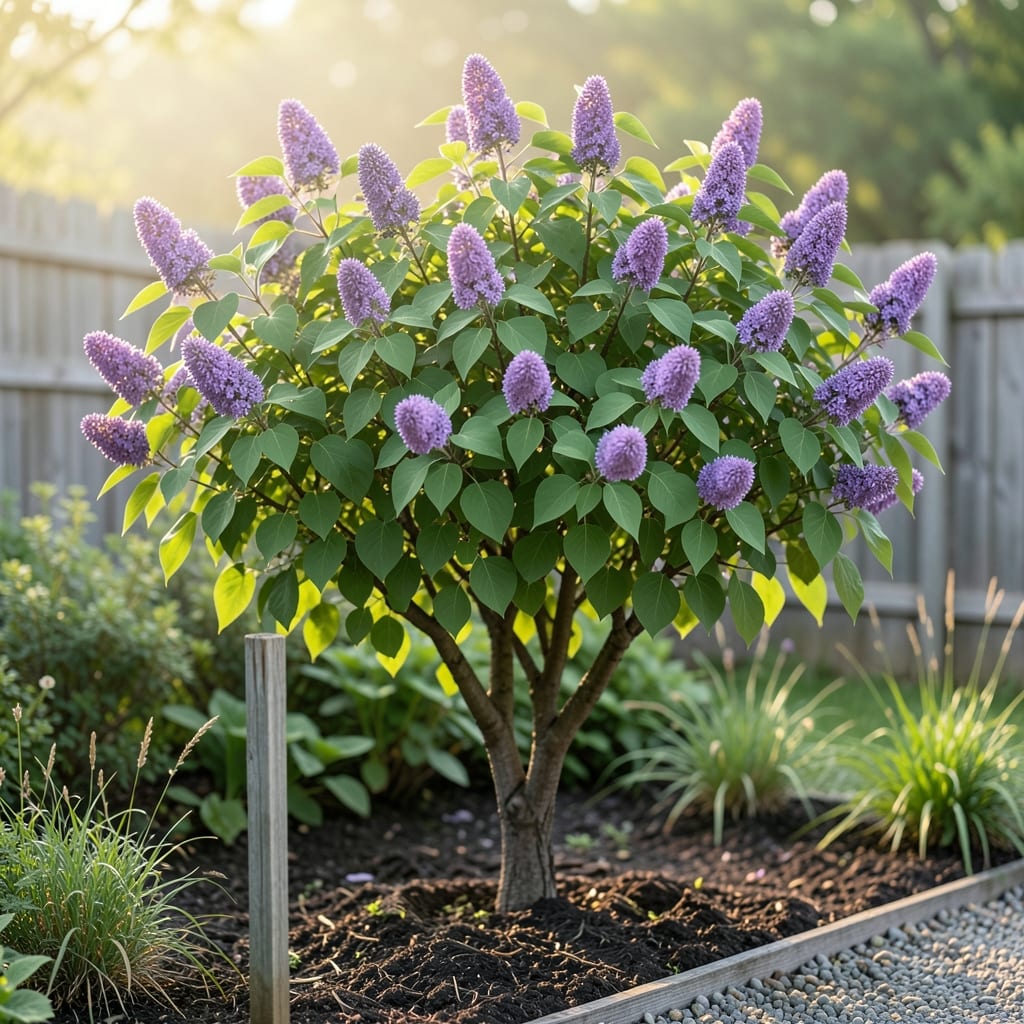
Wondering how tall lilacs can grow before they outgrow your garden? The answer might surprise you—these fragrant shrubs 🌸 can reach heights of 6 to 15 feet, depending on the variety and care you provide.
If you're planning a small garden, don’t worry—there are compact options that stay under 4 feet tall, perfect for hedges or container planting. But for bold landscape statements, standard lilacs can tower over 10 feet, creating a dramatic focal point.
What you’ll discover here is how to choose the right variety for your space and how simple pruning techniques can keep your lilacs at your desired height. Whether you’re a beginner or a seasoned gardener, these tips will help you manage growth without sacrificing those stunning spring blooms.
Let’s explore the best lilac varieties for your garden size and the secrets to keeping them thriving—no matter how tall they grow.

Lilac height by variety: from dwarf to towering giants
Lilacs are one of the most fragrant and iconic shrubs in gardens, but their mature height can vary dramatically depending on the variety. If you’re planning your garden layout, knowing these differences will help you choose the perfect lilac for your space—whether you want a compact hedge or a towering statement plant.
The Common Lilac (Syringa vulgaris) is the classic variety, often reaching 8 to 12 feet tall with proper care. But did you know there are dwarf varieties that stay under 4 feet? These are ideal for small gardens, containers, or urban patios, where space is limited but you still want that signature lilac fragrance.
Here’s a quick look at how lilac heights break down by variety, so you can visualize their potential in your garden before planting.
As you can see, the Common Lilac and French Lilac are the tallest, making them perfect for backyard borders or privacy screens. Meanwhile, dwarf varieties like 'Little Sweetheart' or 'Miss Kim' are game-changers for small gardens or container gardening, offering the same fragrance without the bulk.
If you’re unsure which variety to choose, consider your garden’s available space and sunlight exposure. Lilacs thrive in full sun (6+ hours daily), so place taller varieties where they won’t shade out smaller plants. For example, a 10-foot lilac near a patio might cast too much shade, while a 4-foot dwarf would work beautifully in a sunny corner.
Another factor to consider is how quickly lilacs grow. In their first year, most varieties stay under 2 feet, but by year three, they can shoot up to 5–8 feet. This rapid growth is why pruning early is key to controlling their height—we’ll cover that in the next section.
Pro tip: If you love the look of lilacs but worry about their height, try planting them near trees or tall structures to create a layered effect. Their fragrant blooms in spring will draw attention upward, making them feel less overwhelming in smaller spaces.
Now that you know which varieties fit your garden, let’s talk about how to keep them at your desired height with simple pruning techniques.
Lilac height by variety: from dwarf to towering giants
Lilacs are famous for their fragrant blooms and lush foliage, but their height can vary dramatically depending on the variety. Most lilacs fall into three main categories: dwarf, semi-dwarf, and standard. Understanding these differences will help you choose the perfect plant for your garden’s size and style.
The tallest lilacs, like the classic Common Lilac (Syringa vulgaris), can reach 10 to 15 feet tall, making them ideal for large landscapes or as dramatic focal points. On the other end of the spectrum, dwarf varieties like Little Miss Kim stay under 3 to 4 feet, perfect for small gardens or container planting.
Below is a quick comparison of popular lilac varieties and their mature heights, so you can visualize how they’ll fit into your space.
| Variety | Mature Height | Best For |
|---|---|---|
| Common Lilac (Syringa vulgaris) | 10–15 ft | Large gardens, hedges, privacy screens |
| French Lilac (Syringa vulgaris 'Madame Lemoine') | 8–12 ft | Borders, mixed shrub beds |
| Little Miss Kim (Syringa meyeri) | 3–4 ft | Small gardens, containers, foundation plantings |
| Dwarf Korean Lilac (Syringa meyeri 'Palibin') | 4–5 ft | Bushes, small hedges, urban gardens |
| Bloomerang Lilac (Syringa x 'Bloomerang') | 6–8 ft | Reblooming, mixed borders, small landscapes |
If you’re working with limited space, dwarf lilacs are your best bet—they thrive in containers and can even be grown in window boxes on patios. For larger areas, standard lilacs create stunning vertical interest and provide privacy screening when planted in rows.
Another factor to consider is how quickly lilacs grow. In their first year, lilacs typically reach 1 to 2 feet tall, but by year three, they can shoot up to 5 to 8 feet. This rapid growth means planning ahead is key—especially if you’re planting near walkways or structures.
For gardeners who love the idea of lilacs but worry about overgrowth, pruning is your best friend. Regular pruning not only controls height but also encourages denser blooms and a healthier plant. We’ll dive deeper into pruning techniques in the next section to help you keep your lilacs at the perfect height for your garden.