
Trees
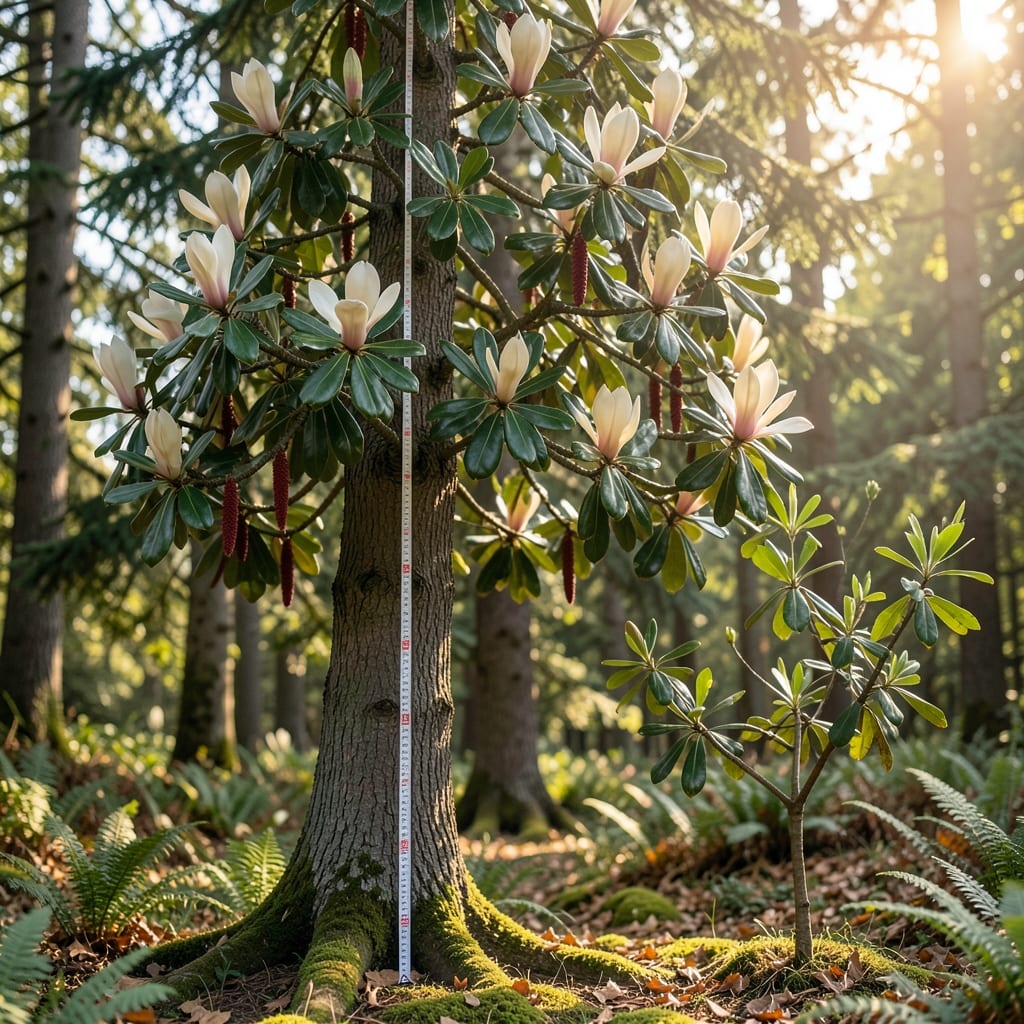
If you're dreaming of a majestic Magnolia Tree 🌸 in your yard, you might be surprised by just how tall these beauties can grow—some reaching towering heights that dwarf even the grandest homes. Knowing your magnolia's mature size isn't just about aesthetics; it determines everything from spacing to sunlight access, ensuring your tree thrives for decades.
Magnolias come in all shapes and sizes, from dwarf varieties that stay under 20 feet to giant species like the Southern Magnolia, which can soar past 100 feet in ideal conditions. Whether you're working with a cozy urban garden or a sprawling estate, choosing the right size is the key to avoiding future headaches.
But height isn't just about species—climate, soil quality, and even pruning habits play a role in how tall your magnolia will grow. I'll break down the factors that influence growth and help you pick the perfect variety for your space, so you can enjoy its stunning blooms without sacrificing your yard's layout.
Ready to find out which magnolia fits your landscape? Let's dive into the details so you can plant with confidence and watch your tree reach its full potential.


Magnolia tree height by species: from dwarf varieties to towering giants
Magnolias are famous for their show-stopping blooms and glossy foliage, but their mature height can vary dramatically depending on the species. Some stay compact enough for small yards, while others become 100-foot-tall giants that dominate entire landscapes. If you're planning your garden layout, understanding these differences is essential for avoiding future pruning headaches or wasted space.
I’ve grown several magnolia varieties in my own yard, and the contrast in size is staggering. For example, the Southern Magnolia (Magnolia grandiflora) can reach 80-100 feet—taller than a 10-story building—while the Little Gem (Magnolia grandiflora 'Little Gem') stays a manageable 15-25 feet. Choosing the right species for your space isn’t just about aesthetics; it’s about creating a harmonious balance with your property’s scale.
Below, I’ve compiled a detailed breakdown of 12+ magnolia species, their mature heights, and how they fit into different garden settings. Whether you’re dreaming of a shade-providing giant or a compact accent tree, this guide will help you make an informed decision.
| Variety | Mature Height | Spread | Best For |
|---|---|---|---|
| Southern Magnolia (Magnolia grandiflora) | 80-100 ft | 40-60 ft | Large estates, privacy screens |
| Saucer Magnolia (Magnolia × soulangeana) | 20-30 ft | 15-25 ft | Medium yards, focal points |
| Star Magnolia (Magnolia stellata) | 15-25 ft | 10-15 ft | Small gardens, containers |
| Little Gem (Magnolia grandiflora 'Little Gem') | 15-25 ft | 8-12 ft | Urban gardens, patios |
| Yulan Magnolia (Magnolia denudata) | 20-30 ft | 15-20 ft | Asian-inspired gardens |
| Cucumbertree Magnolia (Magnolia acuminata) | 40-60 ft | 25-35 ft | Woodland gardens, large properties |
| Jane (Magnolia grandiflora 'Jane') | 12-15 ft | 6-8 ft | Small spaces, containers |
| Ann Magnolia (Magnolia × loebneri 'Ann') | 15-20 ft | 10-15 ft | Urban landscapes, small yards |
The Southern Magnolia is the undisputed king of height, often becoming a landscape centerpiece or privacy screen. Its massive size means it’s best suited for rural properties or parks, where it can spread its roots and branches without crowding other plants. If you’re in a suburban area, consider its dwarf cousin, the Little Gem, which offers the same fragrant blooms and evergreen foliage in a fraction of the space.
For smaller gardens, the Star Magnolia and Jane are excellent choices. Both thrive in containers and can even be grown as
Magnolia tree height by species: from dwarf varieties to towering giants
Magnolias offer an incredible range of mature heights, from delicate dwarf varieties perfect for small gardens to towering giants that dominate landscapes. The Southern Magnolia (Magnolia grandiflora), for example, can reach an astonishing 60-100 feet with a spread of 25-40 feet, making it a statement piece for large properties. If you're working with limited space, though, dwarf varieties like 'Little Gem' or 'Black Tulip' stay between 10-20 feet tall while still delivering stunning blooms.
Understanding these height variations helps you plan your garden layout, ensuring your magnolia has enough room to thrive without crowding other plants. For instance, a Star Magnolia (Magnolia stellata) typically grows to 15-25 feet, making it ideal for medium-sized yards, while the Saucer Magnolia (Magnolia × soulangeana) can reach 20-30 feet—perfect for creating a focal point near patios or walkways.
Here’s a quick reference to help you visualize the height ranges of popular magnolia species:
| Species | Mature Height | Best For |
|---|---|---|
| Southern Magnolia (M. grandiflora) | 60–100 ft | Large estates, privacy screens |
| Star Magnolia (M. stellata) | 15–25 ft | Medium yards, foundation planting |
| Saucer Magnolia (M. × soulangeana) | 20–30 ft | Urban gardens, focal points |
| Little Gem (M. grandiflora 'Little Gem') | 10–15 ft | Small yards, containers |
| Yulan Magnolia (M. denudata) | 20–30 ft | Traditional gardens, shade trees |
Even within a single species, height can vary based on growing conditions. For example, a Southern Magnolia planted in rich, well-draining soil with full sun may reach its maximum height faster than one in a cooler, shaded location. Similarly, dwarf varieties like 'Black Tulip' (Magnolia liliiflora) can stay under 10 feet if pruned regularly, but left unchecked, they may grow slightly taller.
If you're unsure which magnolia fits your space, consider the root spread as well. A 60-foot-tall magnolia might need a 30-foot-wide canopy, so planting too close to your home or driveway could lead to future pruning challenges. Always check the mature spread alongside height when selecting your tree.
For urban gardeners or those with limited space, container-growing magnolias like 'Nigra' (Magnolia grandiflora 'Nigra') can thrive in large pots, reaching 15-20 feet over time. Just ensure your container is at least 18 inches in diameter and has drainage holes to prevent root rot.
Now that you know the height ranges, the next step is choosing the right magnolia for your yard’s layout and sunlight conditions. Let’s explore how to match your space to the perfect variety!