
Vegetables
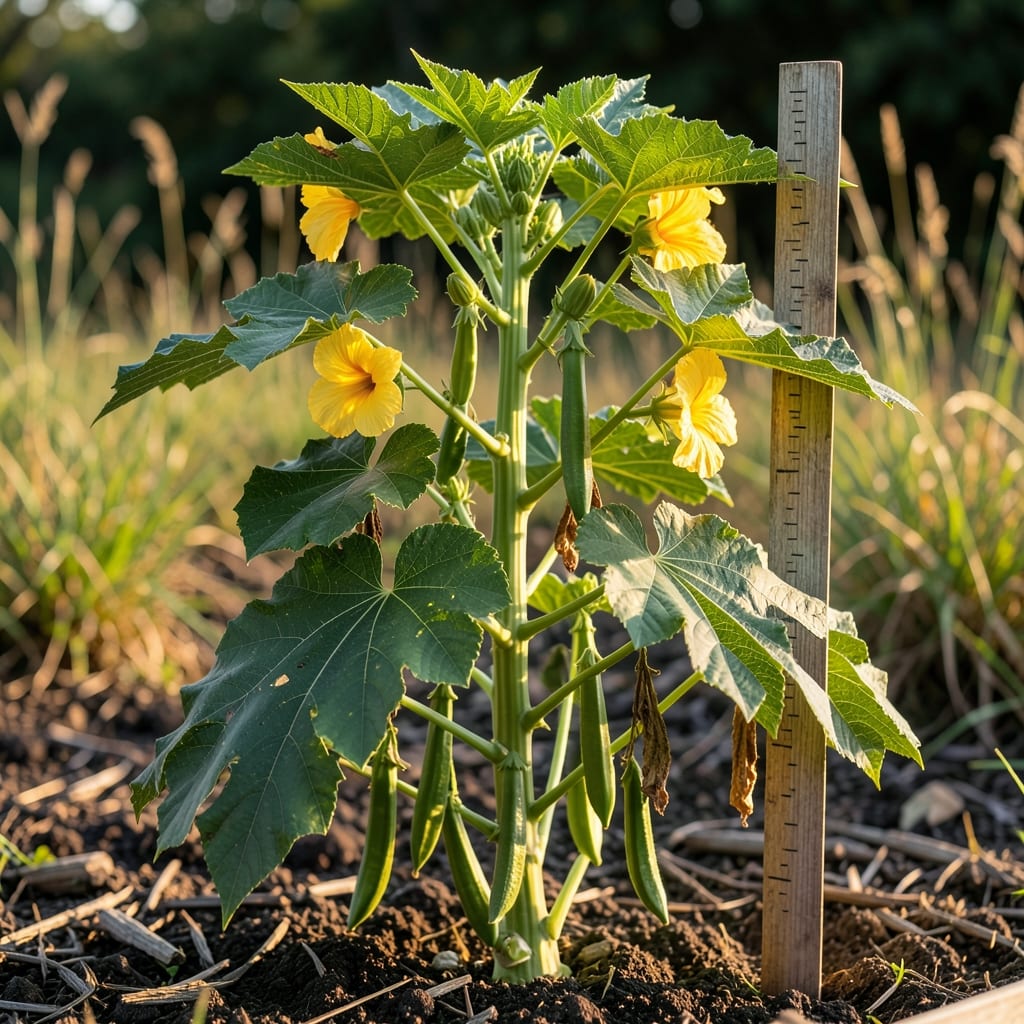
If you're wondering how tall can okra plants grow, the answer might surprise you—these fast-growing 🌱 powerhouses can stretch from just 3 feet to towering 10 feet depending on variety and care. That’s right: your backyard could soon be home to a verdant skyscraper of edible pods!
But here’s the catch: not all okra varieties reach their full height potential. Some stay compact at 2-4 feet, perfect for small gardens, while others shoot up like bamboo, demanding more space and support. The key lies in your climate, soil, and a few simple growing tricks.
In USDA Zone 6a, where spring planting kicks off after the last frost, okra thrives with warm temperatures and long days—ideal conditions for maximizing height. Whether you’re growing dwarf varieties or aiming for giants, understanding these factors will help you coax the most out of your plants.
Ready to turn your garden into an okra jungle? I’ll break down the varieties, climate secrets, and pruning tips to help you grow taller, healthier plants—and a harvest to match. Let’s get started!


Okra plant height by variety: from compact to towering giants
Okra plants are renowned for their impressive vertical growth, but their mature height can vary dramatically depending on the variety you choose. Whether you're working with a small-space garden or a sprawling backyard, understanding these differences helps you plan your layout and support structures effectively.
Most okra varieties fall into three height categories: dwarf, semi-dwarf, and standard/tall. Dwarf varieties stay compact, making them ideal for containers or urban gardens, while standard varieties can reach towering heights—some even exceeding 10 feet under ideal conditions.
Here’s a quick look at how different okra varieties compare in terms of height, helping you decide which suits your garden best:
| Variety | Mature Height | Notes |
|---|---|---|
| Clemson Spineless | 6–10 ft | Popular standard variety; heat-tolerant and productive. |
| Emerald | 4–6 ft | Semi-dwarf; great for containers or small gardens. |
| Burgundy | 5–8 ft | Unique purple pods; ideal for visual appeal. |
| Arkansas Little Lightning | 2–4 ft | Dwarf variety; perfect for small spaces or balconies. |
| Jinbu | 8–10 ft | Tall and prolific; thrives in warm climates. |
If you’re growing okra in containers, opt for dwarf or semi-dwarf varieties like Arkansas Little Lightning or Emerald. These stay under 6 feet, making them manageable for pots or raised beds. For larger gardens, Clemson Spineless or Jinbu will reward you with towering plants and abundant harvests.
Pro tip: Even standard varieties can be trained to grow taller with proper support structures, like trellises or stakes. This not only maximizes vertical space but also improves airflow, reducing the risk of pests and diseases.
For those in cooler climates (USDA zones 7–9), taller varieties may struggle to reach their full height potential. In these areas, focus on early-maturing varieties to ensure a harvest before the first frost. Varieties like Burgundy or Emerald are excellent choices for shorter growing seasons.
Remember, okra’s height isn’t just about aesthetics—it directly impacts yield and pod production. Taller plants often produce more pods, but they also require stronger support to prevent lodging (when plants fall over due to weight). Plan your garden layout with this in mind to ensure a successful harvest.
🌱
Climate zones that influence okra height: heat, humidity, and day length
Okra thrives in warm climates, and its height is directly tied to temperature, humidity, and daylight hours. In USDA Zones 7–10, where summers are long and hot, okra can reach its full 6–10-foot potential. But in cooler zones (like Zone 6a), growth may be stunted unless you choose the right varieties and provide optimal care.
Temperature plays a critical role: okra needs consistent warmth above 70°F to grow vigorously. Below 60°F, growth slows dramatically, and plants may struggle to exceed 4–5 feet. Humidity also matters—high humidity (common in Zones 8–10) can lead to faster growth but may increase pest risks, while dry conditions (like in Zone 7) can limit height without proper irrigation.
| USDA Zone | Avg. Summer Temp | Okra Height Range | Key Considerations |
|---|---|---|---|
| 6a–7a | 70–80°F | 3–6 ft | Short season; opt for dwarf varieties. |
| 7b–8a | 80–90°F | 5–8 ft | Ideal for medium-height varieties; extend season with row covers. |
| 8b–9a | 90–100°F | 6–10 ft | Tall varieties thrive; monitor for pests in high humidity. |
| 10+ | 100°F+ | 8–12 ft | Extreme heat may reduce flowering; provide shade cloth. |
Day length also affects okra’s height. In long-day climates (like Zones 8–10), okra grows taller and produces more pods. But in short-day conditions (common in Zones 6–7), growth may be slower. To compensate, start seeds indoors 4–6 weeks before the last frost to give plants a head start.
In Zone 6a, where frost-free days are limited (165 days), focus on early-maturing varieties like Emerald or Burgundy. These can reach 4–6 feet before the first frost in mid-October. For taller varieties, use black plastic mulch to warm the soil and extend the growing season.
Humidity levels further shape okra’s growth. In humid zones (8–10), plants may grow faster but require better airflow to prevent fungal diseases. Use trellises or cages to keep plants upright and reduce moisture buildup. In drier zones (6–7), mulch heavily to retain soil moisture and encourage taller growth.
🌡️